

Acrylic Soil Stabilizer: Enhance Soil Strength and Durability
2026-07-03
What if you could turn loose, unstable soil into a rock-solid foundation in just hours? With MST acrylic soil stabilizer, that’s not just possible—it’s the new standard. From dusty construction sites to erosion-prone slopes, this advanced polymer technology penetrates deep, binding particles together to dramatically boost load-bearing capacity and resist water damage. Forget temporary fixes; we're talking long-term durability that stands up to heavy traffic and harsh weather. Ready to rethink soil stabilization? Let's dive into how MST is transforming weak ground into enduring strength.
How Acrylic Binders Fortify Soil Structure
Acrylic binders work beneath the surface in a subtle but powerful way, linking loose soil particles into a cohesive matrix. When applied, these polymer emulsions coat individual grains and create flexible bridges between them. As the water evaporates, the binder forms a continuous network that resists erosion from wind and rain, while still allowing the soil to breathe. This transformation turns fragile, dusty ground into a stable base that stands up to foot traffic, vehicle loads, and repeated wet-dry cycles without cracking or crumbling.
The real strength comes from the binder's ability to adapt to soil movements. Unlike rigid stabilizers, acrylic polymers maintain a degree of elasticity, absorbing stresses that would otherwise fracture the structure. This resilience means treated slopes hold together during heavy downpours, and unpaved roads stay intact longer between maintenance runs. Farmers and landscapers alike notice how water infiltrates more evenly, reducing runoff and encouraging root growth—a side benefit that goes beyond simple stabilization.
What sets acrylics apart is their versatility across soil types. From sandy soils that typically refuse to compact to clay-rich ground prone to swelling, the right binder formulation adjusts to the challenge. By tweaking the polymer's molecular weight and cross-linking density, the treatment can be tailored for everything from temporary dust control at construction sites to permanent reinforcement of embankments. The result is a cleaner, safer environment where soil stays put and vegetation can thrive, all without the heavy footprint of traditional mechanical fixes.
Why Engineers Prefer Acrylic Over Traditional Stabilizers
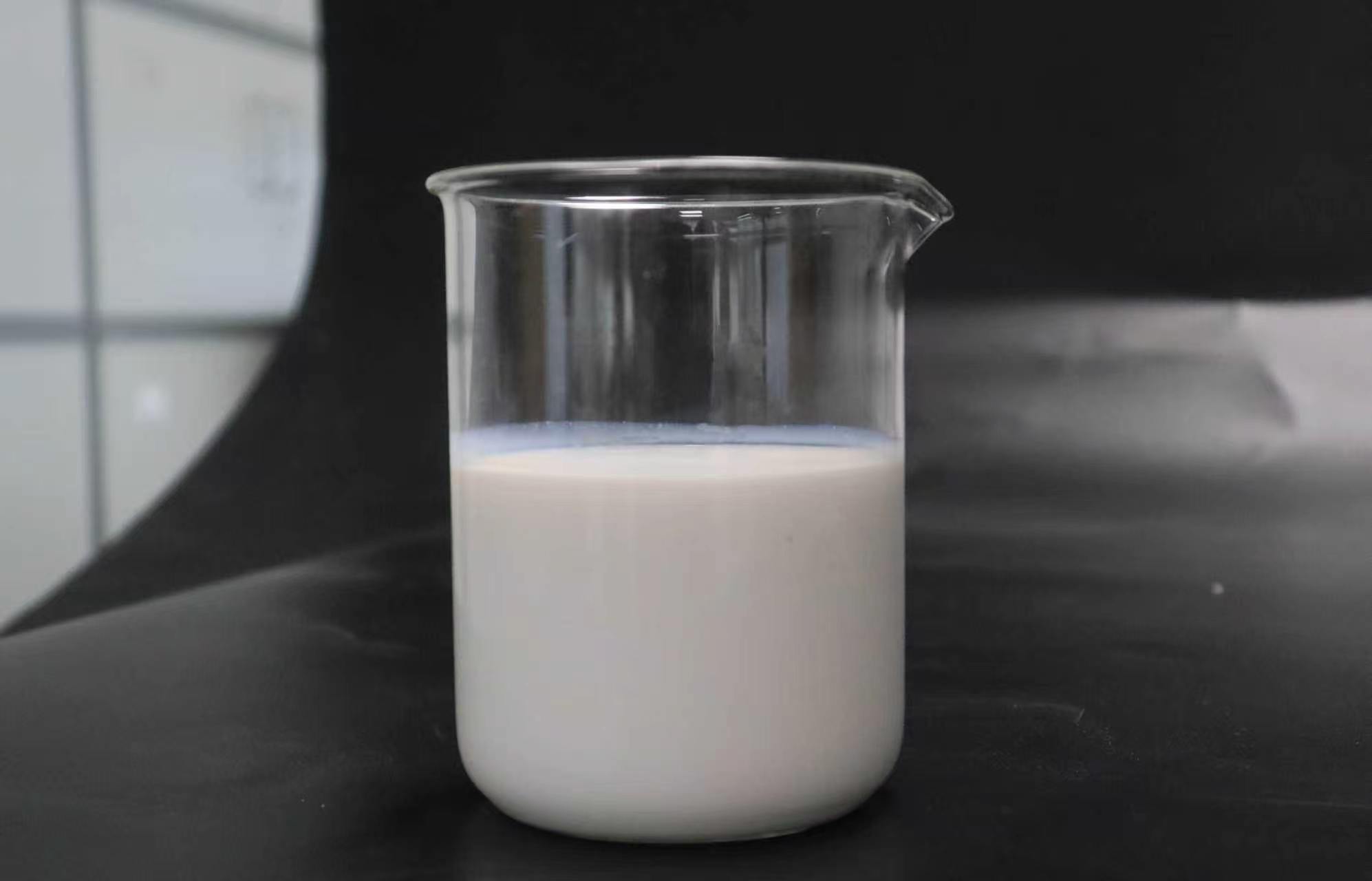
Engineers often lean toward acrylic stabilizers because they offer a level of consistency that traditional materials struggle to match. Unlike older mixtures that can vary from batch to batch, acrylic provides a reliable chemical structure, ensuring that every project meets the same high standard without unexpected surprises during application.
Another reason is the sheer toughness acrylic brings to the table. It resists cracking, peeling, and weathering far better than many traditional stabilizers, which means structures stay intact longer with less maintenance. This durability translates directly into cost savings over time, a detail that doesn't go unnoticed in the engineering world.
Acrylic also cures quickly and bonds aggressively, speeding up construction timelines without sacrificing strength. Traditional stabilizers can be slow to set, leaving projects vulnerable to environmental delays. With acrylic, engineers can push forward faster and with greater confidence, knowing the material will perform exactly as designed.
Field Applications Where Acrylic Treatment Excels
Acrylic finishes have carved out a notable reputation in architectural coatings, particularly where long-term weather resilience is non-negotiable. On commercial building facades exposed to relentless UV radiation and salt-laden coastal air, acrylic-based formulations maintain their color integrity and resist chalking far better than many alternatives. The film's inherent flexibility allows it to bridge hairline cracks that develop as structures settle, effectively shielding the substrate from moisture ingress without the need for frequent recoating.
In the automotive refinish sector, acrylic lacquers and enamels are prized for their rapid curing and ability to produce a mirror-like finish straight from the spray gun. Collision repair shops lean on these systems to match factory finishes exactly, blending new paint into existing panels with minimal visible transition. The quick tack-free time speeds up throughput in high-volume facilities, while the final hardness safeguards against stone chips and minor abrasions during daily use.
Industrial maintenance teams also favor acrylic treatments for protecting steel structures in chemically aggressive environments. Water-based acrylic coatings with low volatile organic content have become standard for refinery piping, storage tanks, and processing equipment. They adhere tenaciously to marginally prepared surfaces and withstand intermittent chemical splash, making them a practical choice where shutdown windows are short and surface preparation is less than ideal.
Long-Term Durability Gains You Can Expect
When you invest in quality materials and mindful upkeep, the payoff arrives quietly over years of daily use. Surfaces that shrug off scratches, fabrics that hold their shape after hundreds of washes, and finishes that resist fading—these aren’t instant thrills but slow victories. You’ll notice it first in the absence of small annoyances: no squeaky hinges, no peeling edges, no sagging cushions. The real magic is how the product settles into your life, feeling as sturdy at year five as it did on day one.
This kind of resilience doesn’t happen by accident. It’s built on reinforced stress points, protective coatings that bond at a molecular level, and designs that distribute wear evenly. Instead of replacing a cracked handle or a frayed strap, you simply keep using it. Over time, the item develops a character all its own—a slight patina on metal, a softened texture on leather—without losing structural integrity. It’s the difference between something that merely lasts and something that genuinely improves with age.
Beyond the physical object, there’s a quieter gain: the confidence that comes from owning fewer, better things. You stop scanning for sales on replacements and start trusting what’s already in your hands. A well-built piece doesn’t just survive rough treatment; it makes you forget about durability altogether. That’s the ultimate sign of long-term strength—when toughness becomes invisible, and all you’re left with is the pleasure of uninterrupted use.
Mixing and Application Tips for Reliable Results
Getting consistent outcomes starts long before the brush hits the surface. Temperature often gets overlooked, but it can make or break your mix. Aim for a workspace that’s steady—around 65°F to 75°F—because cold resin turns sluggish and warm resin races toward the gel stage. Measure by weight, not volume, using a scale that reads to the gram. Even a slight imbalance can leave you with a tacky, uncured mess. And don’t rush the stir. Scrape the sides and bottom constantly for at least two full minutes, then transfer to a fresh cup and mix again. That extra step eliminates the unmixed film that hides along the container wall.
Application is where theory meets reality, and bubbles are the silent thief of a glassy finish. Pour in a thin, steady stream from a low height to minimize air entrapment. If your project allows, warm the mold slightly before filling—just a gentle pass with a heat gun—to encourage bubbles to release early. For intricate molds, brush a thin seal coat of mixed resin into the details first, then pour your main mass. This prevents tiny air pockets from forming in crevices. After pouring, let the piece sit for a few minutes, then run a heat gun or torch across the surface in slow, even passes. Don’t linger in one spot; you’re coaxing bubbles to rise, not cooking the resin.
Timing and patience are your best tools once the pour is complete. Respect the working time stated on your resin’s data sheet, not your intuition. When that window closes, stop manipulating the mixture or you’ll introduce stretch marks and weak spots. Cover your work to protect it from dust while it cures—a simple cardboard box works wonders. Finally, resist the urge to demold early. Full hardness can take days, even if the surface feels solid. Clarity and strength develop slowly, and popping the piece out too soon can warp edges or leave fingerprints in the finish. When in doubt, let it sit an extra day. Reliable results come from discipline, not shortcuts.
Environmental and Safety Considerations Unpacked
Peeling back the layers of environmental impact starts with resource consumption. Every project, whether it's a small-scale renovation or a massive infrastructure build, leaves a footprint through the materials it demands. Reducing that footprint isn't just about swapping one material for another; it's about questioning the entire supply chain. Where are raw materials sourced? How much energy is used in processing? Can local alternatives cut transportation emissions? These questions push beyond glossy sustainability reports and into the gritty reality of procurement logs and dumpster audits. Real environmental consideration means scrutinizing not only what you use, but what gets discarded, because waste streams tell a story that polished statements often omit.
Safety protocols on site often get reduced to checklists and mandatory training sessions, but that approach misses the undercurrent of human factors. When workers are rushed or fatigued, even the best-engineered safeguards can fail. Experience shows that incidents cluster not around moments of obvious danger, but during routine tasks where attention dulls. Addressing this requires more than posting updated regulations; it involves designing workflows that respect cognitive limits. For instance, rotating high-focus tasks and building in micro-rest periods can do more for accident prevention than another poster reminding everyone to wear hard hats. The trick is weaving these practices into daily rhythms so they feel like common sense, not compliance.
The overlap between environmental and safety concerns often surfaces in decisions that seem contradictory at first glance. A material that promises lower carbon emissions might require more hazardous handling, while a safer alternative could strain local ecosystems. Navigating these trade-offs means accepting that perfection is rarely an option. Instead, the focus shifts to incremental adjustments—testing a less toxic adhesive even if it slightly extends drying times, or choosing packaging that protects workers from exposure but adds minimal recyclable bulk. It's a balancing act grounded in specifics: evaluating a dozen variables for each decision rather than chasing a blanket "green and safe" label. Ultimately, progress comes from admitting that every choice carries hidden costs, and the goal is to make those costs visible and manageable.
FAQ
It’s a liquid polymer that seeps into the ground and binds soil particles together, creating a tough, water-resistant layer. Once it cures, it locks everything in place, much like a glue for dirt.
Absolutely. It’s designed to cope with constant wear—think farm roads, construction entrances, or even helipads. The cured surface resists rutting and erosion far better than untreated soil.
Under normal conditions, you can expect several years of solid performance. Lifespan depends on factors like weather and usage, but many sites stay stable for 3–5 years with minimal maintenance.
Yes, modern formulations are non-toxic once cured and won’t leach harmful chemicals. It’s often used in sensitive areas like vineyards or near waterways because it keeps soil in place without contaminating runoff.
Acrylic stays flexible, doesn’t crack with ground movement, and sets up fast. Unlike cement, it doesn’t alter soil pH or require heavy machinery for mixing—just spray and let nature do the work.
For small patches or low-stakes projects, a DIY approach with a pump sprayer works fine. Large areas, though, benefit from a pro with the right equipment to ensure even coverage and proper curing.
It bonds well across the board. Sandy soils gain cohesion, while clay soils become less prone to swelling and shrinking. The key is matching the dilution rate to your specific soil type.
Conclusion
Acrylic soil stabilizers work by penetrating the ground and creating a durable polymer network that binds soil particles together, significantly boosting load-bearing capacity and erosion resistance. Rather than relying on temporary moisture or compaction, the acrylic binder forms continuous flexible films around soil grains, locking them into a cohesive matrix that withstands heavy traffic and harsh weather. Engineers increasingly favor this approach because it cures quickly and allows treated areas to return to service much faster than cement- or lime-based alternatives, which often require extensive downtime. It also stays effective in diverse soil types—from sandy to silty—without the brittleness that plagues rigid stabilizers, so surfaces remain intact under dynamic loads and freeze-thaw cycling. Field applications highlight its versatility: unpaved roads become all-weather passageways, embankments gain lasting steep-slope stability, and dust-prone sites see a drastic reduction in airborne particulates with just a single spray application.
Long-term performance data reveal that acrylic treatments extend the lifespan of infrastructure by resisting UV degradation and maintaining flexibility over decades, which reduces maintenance cycles and lifecycle costs. Proper mixing and spraying techniques are straightforward—diluting the concentrate with water and applying it uniformly via standard hydroseeders or spray trucks—but success hinges on preparing the subgrade and matching the dilution ratio to the soil’s clay content and moisture level. From an environmental standpoint, water-based acrylics contain negligible volatile organic compounds, cure without toxic runoff, and can be tailored to be biodegradable, aligning with green construction mandates. Safety measures are minimal beyond basic protective gear, and once cured, the stabilizer is chemically inert, posing no risk to groundwater or adjacent plant life. By addressing both practical engineering demands and ecological responsibility, acrylic soil stabilization stands out as a robust, forward-thinking solution for modern earthworks.
Contact Us
Contact Person: Helen
Email: [email protected]
Tel/WhatsApp: 86 18630661160
Website: https://www.roadmilestone.com/