

Best Pot Still: A Guide to Choosing and Using Top-Quality Stills
2026-05-13
You've sourced the finest malt, nurtured the perfect fermentation, and now it all comes down to one crucial piece of equipment: the pot still. Not all stills are created equal, and skimping here can undermine months of hard work. That's why we're shining a light on DYE—a brand that understands what serious distillers really need. From meticulous copper craftsmanship to optimal vapor dynamics, DYE stills are built to elevate your craft. Ready to discover what makes a pot still truly top-tier? Let's get started.
Understanding the Art of Pot Distillation
Pot distillation is among the oldest and most revered methods of crafting spirits, a technique that feels more like alchemy than modern industry. The process begins with a fermented liquid, often called the wash, which is gently heated in a copper pot. As the temperature rises, alcohol vapors—lighter than water—spiral up through the swan neck and travel into a condenser, where they return to liquid form. This isn't a simple one-step extraction; it's a dance of patience and precision. The distiller must carefully separate the heads, hearts, and tails, discarding the first sharp, solvent-like compounds and the last heavy, oily fractions, keeping only the pure, flavorful heart of the spirit. The copper itself plays a silent but vital role, reacting with sulfur compounds to clean the vapor and lending a subtle, rounded character to the final product.
What truly sets pot distillation apart is its ability to preserve the soul of the raw ingredients. Unlike continuous column stills that chase neutrality and volume, a pot still carries over the grain, fruit, or molasses notes with remarkable fidelity. Each batch is small, hand-watched, and slightly different from the last, reflecting the subtle shifts in fermentation and the weather outside. This craft invites the distiller to make real-time decisions—a tweak of the flame, a quicker cut—that shape the spirit's personality. It's why single malt whiskies from a specific farm or year can taste so distinct, and why small-batch rums and brandies can offer such depth. There’s a reason traditional producers cling to this method: it yields a liquid that tells a story, not just a proof number.
The art of pot distillation also lives in the sensory intuition that no machine can replicate. Experienced distillers learn to read the spirit by its pearl—the way bubbles form and vanish when shaken—or by rubbing a drop between their palms to smell the release of congeners. The rhythm of the run, the sound of the still, the temperature of the water flowing through the worm tub: all these become a language. In an age of automation, pot distillation remains a stubbornly human endeavor, marrying science with gut feel. It demands years to master and a willingness to accept that some things can’t be fully explained, only tasted.
Key Features That Define a Superior Still
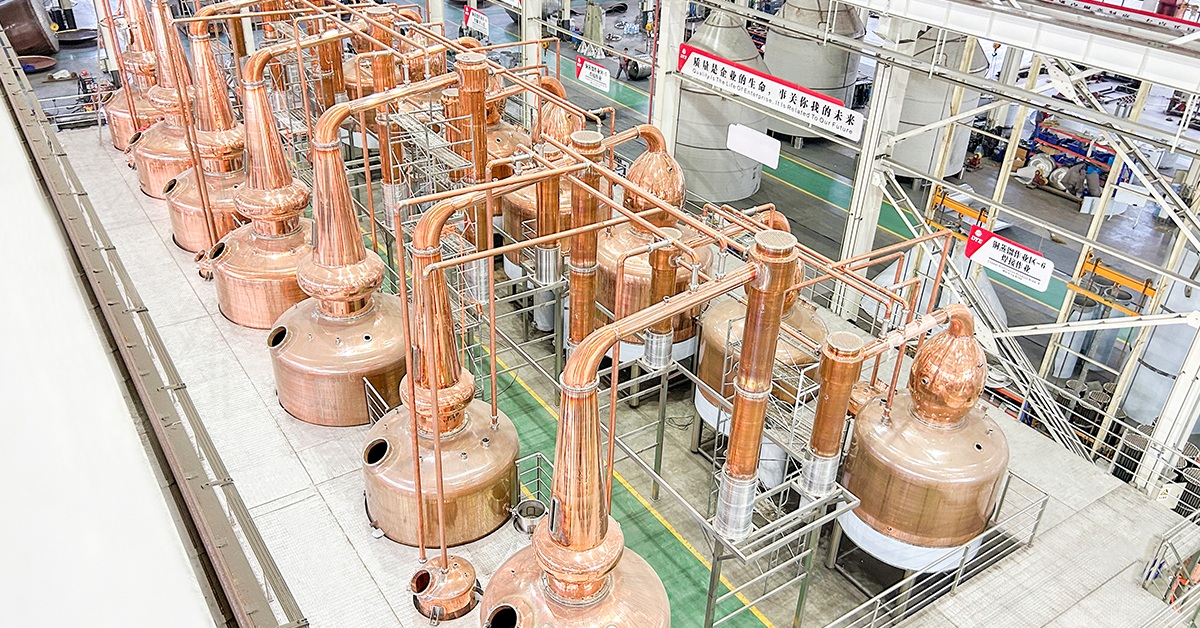
A superior still isn’t simply a vessel for boiling liquid; it’s an instrument where material, geometry, and thermal dynamics converge to shape the soul of a spirit. Copper dominates the conversation for good reason—its natural affinity for sulfur compounds scrubs out harsh, rubbery notes that would otherwise mar a whiskey’s warmth or a brandy’s fruit. But the true magic lies in how that copper is worked. Hand-beaten surfaces, gradual neck tapering, and a lyne arm angled just so coax vapors into a more intimate dance with the metal, amplifying ester formation and preserving delicate aromas. Stainless steel, often dismissed as inert, can shine in the right context—particularly in column stills where precision and neutrality are paramount, though the best builders often braze copper packing or plates into the vapor path, marrying strength with chemistry.
Control is where engineering meets artistry. A well-designed still gives the distiller command over reflux—the amount of condensed vapor sent back down the column. Too little, and smearing occurs, blurring the clean cut between heads, hearts, and tails; too much, and the spirit risks sterility. The finest stills integrate variable condensers, sight glasses placed at critical junctions, and heat sources that respond in real time, not in jagged bursts. Beyond performance, physical details like double-riveted seams, thick gauge metal that won’t warp under repeated firing, and easy-to-clean ports may seem mundane but separate heirloom-quality copper from disposable equipment. A still that marries such precision with rugged simplicity lets a distiller repeat the miracle, not just stumble upon it once.
Finally, a great still rarely stands alone—it’s part of a dialogue. Whether it’s a small pot still that forces a second distillation for added depth, or a hybrid setup with a gin basket and botanical chamber, versatility ensures the equipment evolves alongside the maker’s ambitions. The quiet heft of a well-made still, the way it settles into a gentle rhythm of drip and steam, becomes a partner in the process. Distillers who swear by their rigs often point not to raw output numbers but to the subtle inflections—a slightly longer vapor dwell time, a cooler lyne arm temp—that translate into a signature character. In that sense, a superior still isn’t defined by a single feature but by how completely it fades into the background, letting the spirit speak.
Materials Matter: Copper vs. Stainless Steel
When it comes to choosing between copper and stainless steel, thermal conductivity often takes center stage. Copper is a superstar in this regard, transferring heat rapidly and evenly, which is why it’s the go-to for high-end cookware and heat exchangers. Stainless steel, on the other hand, lags significantly—its heat distribution can be patchy unless combined with an aluminum or copper core. For applications where precise temperature control is non-negotiable, copper’s responsiveness is tough to beat.
Durability and corrosion resistance flip the script, though. Stainless steel lives up to its name, shrugging off rust, stains, and most acids with ease, making it a staple in medical tools and marine environments. Copper develops a green patina over time, which can be protective, but it’s vulnerable to certain chemicals and acidic foods. This means copper requires more maintenance to keep its shine, while stainless steel thrives in harsh conditions with minimal upkeep.
Cost and practical use further divide the two. Copper is pricey—both in raw material and fabrication—and its weight can be a drawback in some designs. Stainless steel offers a more budget-friendly, lightweight alternative without sacrificing strength. In the end, the decision boils down to priorities: if you need superior thermal performance, copper is king; if longevity and low maintenance matter more, stainless steel is the sensible pick.
Sizing Up Your Distilling Ambitions
Before you dive headfirst into the world of distilling, take a moment to honestly assess what you hope to achieve. Are you dreaming of crafting small-batch spirits for personal enjoyment, sharing with friends, or perhaps building a commercial venture? Your ambitions will shape every decision down the line, from the size of your equipment to the complexity of your recipes. Starting small can be wise, giving you room to learn and refine your techniques without unnecessary pressure. It's not about how much you produce right away, but about developing a genuine understanding of the craft that will serve you as you scale up.
Think about the space you have available and the time you can realistically commit. A hobby distiller working in a garage has very different needs than someone aiming to open a micro-distillery. Consider not just the capacity of your still, but also the fermentation vessels, aging barrels, and storage area required. Overextending early can lead to frustration, while a well-matched setup allows you to progress naturally. Remember, the most respected distillers often started with modest beginnings, focusing on quality and consistency before expanding their reach.
Your ambitions should also reflect your passion for the craft itself. If you're drawn to experimenting with unique botanicals or reviving historic recipes, a smaller, more flexible setup might suit you better. If your goal is to fill shelves regionally, you'll need to plan for efficiency and scale from the outset. Balancing your dreams with practical realities isn't about limiting yourself—it's about building a solid foundation that can grow alongside your expertise. Wherever you start, letting your genuine curiosity lead the way will keep the journey rewarding.
Mastering the Distillation Process Step by Step
True mastery of distillation isn't about memorizing steps—it's about developing an intuition for how heat, vapor, and condensation dance together inside your still. When I first started, I obsessed over exact temperatures, but a grizzled Kentucky distiller once told me, "Listen to the pot, not the thermometer." The gentle wash of liquid against copper, the subtle shift from a steady drip to a broken stream, the way the spirit feels between your fingers—these are the real indicators of a proper hearts cut. Once you tune into those sensory cues, the process becomes less a science experiment and more a conversation with the raw material.
The critical juncture that separates forgettable batches from memorable ones is the transition between heads, hearts, and tails. Newcomers often panic and widen their hearts cut too much, dragging sharp, solvent-like notes into their final product, or they get greedy and chase every last drop of ethanol, ending up with a murky mess that smells like wet cardboard. The skill lies in knowing when restraint pays off. I've learned to collect in small, numbered jars, let them air overnight, and then dilute a taste sample with water—that's when the flaws leap out. You'll notice the hearts don't suddenly appear; they emerge gradually, crest like a wave, and then retreat just as subtly. Learning to recognize that peak is what keeps you up late, notebook in hand, until it becomes second nature.
Don't overlook the role of patience in polishing your final spirit. We live in an age obsessed with speed, but distillation rewards those who let time do the heavy lifting. After the run, letting your new make rest for a few weeks allows the volatile compounds to marry and mellow, smoothing out the rough edges that no amount of carbon filtering can fix. If you're aging on wood, variables like temperature swings and air exposure become your unseen co-distillers, slowly teasing out vanilla, caramel, and spice. Every time I crack open a barrel I laid down years ago, I'm reminded that the real secret isn't hidden in some esoteric technique—it's simply allowing nature to finish what the still started.
Caring for Your Still: Maintenance and Longevity
Regular cleaning is the heartbeat of still longevity. After each run, a thorough rinse with warm water prevents residue buildup that can taint future batches and corrode metal surfaces. For copper stills, a gentle mix of vinegar and salt restores shine without scratching, while stainless steel benefits from mild dish soap and a soft cloth. Never use abrasive pads—they leave micro-scratches that harbor bacteria and accelerate wear. This simple ritual, done immediately while the still is still warm, saves hours of deep cleaning later and keeps flavors pure.
Pay close attention to seals, gaskets, and connectors, as these unsung heroes often fail first. Inspect them monthly for cracks, stiffness, or leaks, especially if you frequently run high-proof spirits that can degrade rubber and silicone over time. A tiny air leak might seem minor, but it can throw off vapor flow, reduce efficiency, and even pose safety risks. Replace worn parts with food-grade, heat-resistant materials; a few dollars spent on fresh gaskets now avoids costly repairs or ruined runs down the line.
Beyond routine care, seasonal deep maintenance extends your still’s life dramatically. Disassemble the column and condenser at least twice a year to clear hidden deposits with a specialized copper cleaner or diluted citric acid soak. Check for any spots of verdigris or pitting, sand them lightly, and re-passivate the surface with a warm water rinse followed by air drying. Store your still in a dry, ventilated space, draped with a breathable cover—never plastic, which traps moisture and invites oxidation. These extra steps, woven into your brewing calendar, turn a good still into a generational workhorse.
FAQ
An outstanding pot still combines careful craftsmanship with high-grade materials. Look for thick copper construction, seamless welds, and a design that promotes even heat distribution. The shape of the neck and onion or helmet should encourage natural vapor reflux, which refines flavors without over-stripping character. A well-built still will feel solid, not flimsy, and its components should fit together snugly to prevent leaks. Beyond materials, the maker's reputation for after-sales support can make a big difference if you ever need parts or advice.
Size depends on what you plan to make and how often you'll distill. For occasional batches of whiskey or brandy, a 5- to 10-gallon still often hits the sweet spot—it yields enough to age in small barrels without overwhelming your storage. If you're experimenting with different recipes, a smaller 2- to 3-gallon model lets you iterate quickly. Remember, you'll need enough space on your heat source and a way to cool the condenser, so factor those into your decision. Most importantly, check your local regulations about allowable still capacities before buying.
Copper isn't just traditional, it actively improves the spirit. It binds with sulfur compounds that can cause off-aromas, making the final product smoother. Copper also transfers heat evenly, reducing scorching of solids in a wash. Some stills use stainless steel with copper parts, but a full copper build offers the most chemical interaction. Over time, the interior develops a patina that actually enhances flavor removal. Just keep in mind that copper requires regular cleaning to maintain its benefits.
A pot still is like a one-note instrument—it captures the full character of the wash in each pass, usually producing a spirit with rich, deep flavors that need aging or blending to tame. A column still can separate out compounds more precisely, giving a cleaner, higher-proof spirit in a single run. Think of pot-distilled whisky versus vodka: the former carries grainy, fruity notes; the latter aims for neutrality. For gin or whiskey where you want the raw ingredients to shine, a pot still is often the right tool.
First, never leave a running still unattended. Use an electric heating element or a flame with good ventilation, and keep a fire extinguisher nearby. Make sure all seals sit flush—vapor leaks are a serious hazard, especially with open flames. Always collect foreshots and heads separately, as they contain methanol and other unwanted compounds. Don't overfill the boiler; leave headspace for boiling liquid to expand. Lastly, check that your cooling water flow stays consistent to avoid pressure build-up. If something feels off, shut down immediately and inspect everything.
After each run, rinse the boiler and condenser with warm water to remove residue. For deeper cleaning, a soak with citric acid and water removes tarnish and deposits without harsh chemicals. Avoid abrasive scrubbers that scratch copper; a soft cloth works fine. If you spot blue or green patches—a sign of oxidation—mix a paste of salt and vinegar to rub them away gently. Dry all parts completely before storing, and keep the still assembled or in pieces away from humidity. Check gaskets and seals periodically; replace them if they crack or stiffen.
Absolutely. A pot still is wonderfully versatile. You can make whiskey from grain mash, rum from molasses or sugar cane juice, brandy from fermented fruit, and even a decent neutral base for infusions if you run the spirit through multiple times. The trick is to clean the still thoroughly between different types to avoid flavor carryover—citric acid rinses work well. Experimentation is half the fun; try small batches of each spirit to see which one the still handles best, and adjust your cuts accordingly to match the spirit's desired personality.
Conclusion
Crafting spirits with a pot still is as much about instinct as it is about mechanics, relying on the subtle interplay of heat, vapor, and condensation to coax out rich, textured flavors. A truly superior still is defined by its construction: seamless welds, a well-designed swan neck, and a tight-fitting lid all contribute to clean runs and repeatable results. The classic copper versus stainless steel debate isn't just about tradition—copper reacts with sulfur compounds to soften harsh notes, while stainless offers inert durability and easy cleaning. For those chasing fruit-forward brandies or full-bodied whiskies, copper remains the gold standard, though many hybrid models cleverly blend both materials.
Sizing your still isn't simply a matter of ambition; a 5-gallon unit suits the curious hobbyist, while a 20-gallon workhorse better serves a dedicated craftsman planning barrel-aged projects. Regardless of scale, mastering the process means respecting the cuts—heads, hearts, and tails—and learning to taste the moment when the spirit shifts from sweet ethanol to cardboardy tails. This sensory skill separates the memorable from the mediocre. Finally, a well-chosen still deserves meticulous care: rinsing after every session, occasional vinegar or citric acid runs to dissolve buildup, and storing it dry to prevent verdigris. With thoughtful maintenance, a quality pot still can outlast a generation, becoming a companion in countless distilling journeys.
Contact Us
Contact Person: Ada Xu
Email: [email protected]
Tel/WhatsApp: 0577-86806088
Website: https://www.dayuwz.com/