

Calcium Chloride 77% Powder Supplier: What to Know Before Placing a Bulk Order
2026-10-20
Bulk orders for calcium chloride 77% powder often come with hidden pitfalls—impurities, inconsistent particle size, or packaging that fails during transport. Before you commit to a supplier, it pays to know what actually matters. Shouguang Golden Chemical shares practical insights to help you avoid costly mistakes and secure a reliable supply.
That 77% Claim Only Gets You So Far
A single percentage can sound definitive, but it rarely tells you what to do next. That 77% figure circulates in presentations, blog posts, and casual conversations as if it were a verdict. Yet without knowing the sample, the timeframe, or the definition behind the number, it’s just a shapeless factoid. People repeat it because it feels authoritative, not because it offers a usable path forward.
The moment you start asking practical questions, the 77% claim begins to wobble. Who was measured? What counted as success or failure? Over how many months or years? These aren’t academic nitpicks—they determine whether the statistic applies to your situation at all. A percentage lifted from one context can mislead you badly when dropped into another, especially if you’re making a decision about money, time, or effort.
What moves you past the number is the harder work of understanding causes, exceptions, and trade-offs. Instead of stopping at “77% fail” or “77% agree,” look for the conditions that produced that result. Then test those conditions against your own constraints. The number might open a conversation, but it cannot close one. Real progress comes from interpreting the data, not from quoting it.
Moisture Is the Real Cost Nobody Quotes
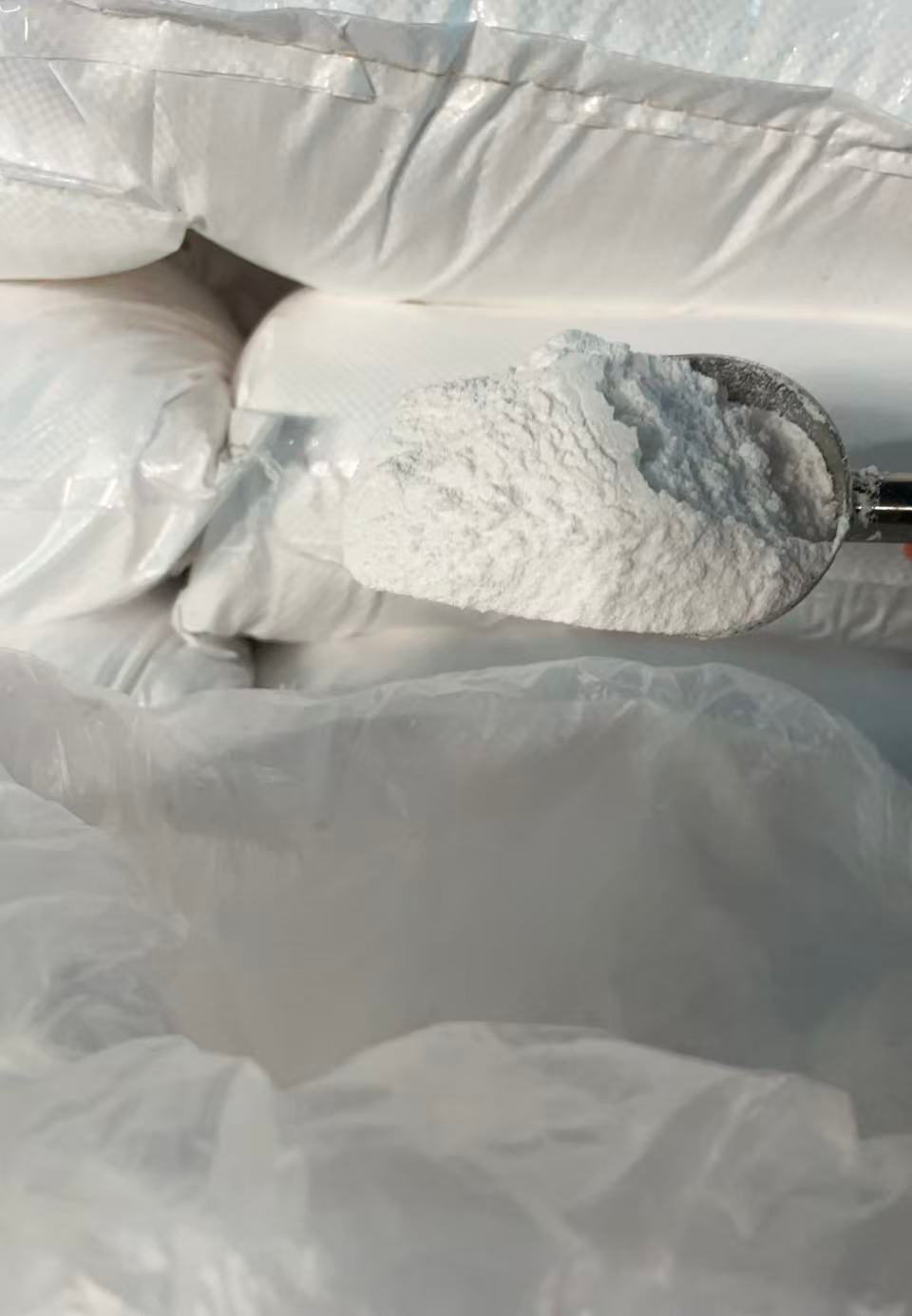
When you buy equipment or materials, the sticker price rarely tells the full story. Moisture works quietly in the background, driving up costs that never appear on a quote. Corrosion, warping, and electrical failures are all accelerated by humidity and water exposure, and each one chips away at your bottom line.
The real expense isn't the initial damage either—it's the cascade that follows. A little rust on a hinge leads to a seized mechanism, which leads to unplanned downtime. Mold in a wall cavity becomes a remediation project that involves tearing out drywall and replacing insulation. These reactive repairs cost far more than any proactive moisture control measure would have.
Many buyers focus on upfront price because it's easy to compare. But the facilities that last decades are the ones where someone accounted for moisture from day one—vapor barriers, proper drainage, adequate ventilation. Ignore that, and you're not saving money; you're just deferring a much larger bill.
Bulk Pricing Often Hides a Freight Surprise
When you see a bulk price that looks too good to pass up, take a closer look at the freight line. Many suppliers keep the unit cost low but quietly shift the burden to shipping. What seems like a bargain on paper can balloon once pallet rates, residential delivery fees, or liftgate charges get added at checkout.
This is especially common with large or heavy items that require special handling. A quote might show a competitive per-piece rate, but the freight estimate arrives later—often after you’ve already committed. The surprise isn’t an accident; it’s how some vendors recover margin they sacrificed to win the initial click.
Before comparing bulk prices, ask for a full landed cost including freight to your specific zip code. That single number reveals the true deal. Otherwise, you may end up paying more overall than a supplier with a slightly higher unit price but transparent shipping.
A Supplier's Response Time Tells You More Than the Brochure
When vetting a supplier, the glossy brochure rarely hints at how long you'll wait for a quote or a straight answer. A quick reply isn't just politeness; it's a live signal from the sales floor. If they respond within hours, someone is watching the inbox and has the authority to move things along. If it takes three days and a follow-up, that's usually the cadence you'll face when there's a production delay or a quality dispute.
Slow response often points to deeper friction—overloaded account managers, creaky internal processes, or a team that simply doesn't need your business badly enough. A brochure can list 24/7 support and dedicated service, but the timestamp on an email tells you which claims are decoration and which are daily practice. The gap between promised and actual response is where late shipments and unresolved claims start.
Treat response time as a living test. Ask a technical question before signing anything, then measure not just the delay but the substance of the reply. A supplier that gets back fast with a partial answer and a clear next step is often more reliable than one that eventually sends a perfect PDF. Over time, those small response habits become the difference between a vendor and a partner.
Ask for a Retention Sample Before You Commit to a Container
Most brands get seduced by renderings and polished product photos when evaluating containers, but what shows up on a screen rarely matches what arrives on a pallet. Request a retention sample from the supplier before you sign off on the order. This isn't just any random unit pulled from a prototype run. It should be explicitly labeled as the golden standard and kept aside as the reference point for every future batch. Check the wall thickness, thread engagement, surface finish, and actual fill volume with your own hands.
The real value of a retention sample shows up when a quality dispute arises. Imagine a shipment lands with containers that look almost right—maybe the color is half a shade off, the cap torque feels looser, or the material has a slightly different texture. Without a reference sample, the supplier can simply claim this is how they've always made them, and you have no physical evidence to push back. With a sealed, signed sample in your drawer, you can place the two side by side and point to the exact deviation.
Make sure the retention sample is handled properly. Ask the supplier to sign and date it, note the batch or mold number, and seal it in tamper-evident packaging. On your end, store it in a stable environment—away from direct sunlight, extreme temperatures, or humidity that could warp the container over time. That small step costs almost nothing but can prevent expensive rework, delayed launches, and customer complaints down the line.
Contract Terms: What Happens When Your Demand Shifts?
Most supply agreements are built on forecasts, not certainties. When your actual demand rises or falls beyond the original projections, the fine print often determines who absorbs the cost. Clauses covering take-or-pay obligations, minimum order quantities, and volume flexibility can turn a routine shift into a financial dispute. Without a clear adjustment mechanism, you may be forced to pay for goods you no longer need or face penalties for exceeding contracted limits.
Renegotiation isn’t automatic just because circumstances change. Force majeure rarely covers ordinary market swings, and hardship clauses are often narrowly written. If your contract lacks a mid-term review or a tiered pricing structure tied to volume bands, you could be stuck with outdated rates even as your purchasing profile evolves. Practical workarounds—like temporary consignment stock, partial deferrals, or swapping SKUs—only work if the agreement allows them in writing.
The safest approach is to plan for variability from day one. Look for provisions that let you adjust delivery schedules with proper notice, cap your liability for shortfalls, or trigger rebalancing once volumes deviate by a set percentage. If those terms are missing, a side letter or amendment can create the breathing room you need, but only if you act before the next demand swing hits.
FAQ
The 77% figure refers to the calcium chloride content by weight. The rest is mostly water of crystallization and minor impurities. In practice, that means roughly 770 kilograms of active calcium chloride in every metric ton of material you receive, so your dosing calculations should be based on that rather than on the total bulk weight.
Request a certificate of analysis from the most recent production batch, not just a generic spec sheet. Reputable suppliers test each lot for calcium chloride content, magnesium and alkali metal chlorides, and water-insoluble matter. It is also wise to have an independent lab check the first container or truckload before you commit to a long-term contract.
Yes, especially for handling and dissolving. Powder dissolves faster than flakes or prills but tends to generate more dust during unloading and mixing. If your operation has good dust control and needs rapid dissolution, powder makes sense. If you are concerned about airborne dust or bridging in silos, ask the supplier about prilled or flake alternatives, even at the same 77% concentration.
Most suppliers offer 25 kg or 50 kg woven polypropylene bags with a moisture barrier liner, and many also provide 500 kg or 1000 kg supersacks. Bulk shipments in pneumatic tankers are possible for very large volumes. Ask whether the bags are palletized, shrink-wrapped, and marked with batch numbers and production dates, because that traceability matters if you later find a quality issue.
Calcium chloride is strongly hygroscopic, meaning it pulls moisture from the air. If bags are left open or punctured, the powder can cake, harden, or even form a brine solution in humid conditions. Store it in a dry, covered area, keep bags sealed until use, and rotate stock on a first-in, first-out basis. A supplier who loads in dry weather and uses lined containers can also reduce the risk of caking during transit.
Find out whether they are a manufacturer or a trading company, and ask about monthly output, typical lead times, and how they handle peak-season demand. A supplier with multiple production lines or regional warehouses is usually more reliable for bulk orders. Also ask for references from customers with similar purchase volumes, and confirm they can maintain consistent quality across batches rather than just producing one good sample.
Depending on the production process, you may see small amounts of sodium chloride, magnesium chloride, or sulfate. For many de-icing and dust-control uses these are harmless, but for food-grade or industrial processes like drilling fluids or concrete acceleration, certain impurities can matter. Specify your tolerance limits upfront and compare them against the certificate of analysis before signing a purchase order.
Clarify who arranges and pays for freight, whether the price includes loading and palletizing, and what happens if the shipment arrives damaged or short. For international orders, confirm the Incoterm, packaging for ocean freight, and any hazardous material documentation requirements. It is better to pay slightly more for a supplier who coordinates the full delivery chain than to chase a missing container later.
Conclusion
The advertised 77% purity on a calcium chloride powder spec sheet is just a starting point. Real-world performance depends far more on moisture content, packaging integrity, and how the material behaves after months in storage. Many buyers focus on price per ton and miss that moisture pickup during shipping or poor bag sealing can turn that 77% into an effective 65% by the time it hits your silo. Always request a retention sample from the actual production batch before committing to a full container. This lets your lab verify not just the calcium chloride assay but also the moisture level, particle size distribution, and the presence of insoluble impurities. Bulk pricing quotes also need careful unpacking. A low per-ton rate often assumes you’re sitting near a port or rail spur. If your facility is inland, the freight component can wipe out any nominal discount. Ask for door-to-door costing with the supplier’s actual carrier, not just an EXW or FOB number.
Supplier response time during the negotiation phase is a surprisingly reliable predictor of how they will handle problems later. If it takes three days to get a certificate of analysis or a straight answer about packaging options, imagine the delay when a shipment arrives off-spec. Push for clear contract terms that address demand shifts — minimum order quantities, rollover clauses, and penalties for late delivery or short weights. A good supplier will discuss moisture guarantees, re-bagging options, and what happens if your consumption drops mid-contract. Don’t sign a container deal without understanding how claims are handled. Will they accept a third-party inspection at load port? Do they offer make-up tons for moisture loss? The cheap quote is rarely the cheapest after you factor in downtime, product clumping, or months of chasing a lab report. Trust suppliers who volunteer the retention sample, quote freight transparently, and put their response commitments in writing.
Contact Us
Contact Person: Tom Cui
Email: [email protected]
Tel/WhatsApp: +8618663670626
Website: https://www.jinjigoldenchem.com