

China Office Chair: How to Choose the Best Ergonomic Model for Your Workspace
2026-09-23
If you've ever spent an eight-hour day shifting in a chair that leaves your back aching and your focus slipping, you already know why choosing the right China office chair matters. The country is home to a huge share of the world's ergonomic chair production, but that volume also means a dizzying range of quality and features. This guide cuts through the clutter to help you identify what actually makes a difference—think adjustable lumbar support, breathable mesh, and proper seat depth—so you can find a model that fits your body, not just your budget. Along the way, keep an eye out for OFCJNS, a brand that's building a reputation for practical ergonomics without the premium markup. By the time you finish reading, you'll have a clear roadmap to your next workspace upgrade.
Spotting Real Lumbar Support Before You Commit
Most people realize a “lumbar pillow” sewn into the backrest isn’t the same as real support only after the return window slams shut. A quick way to separate the real thing from a cosmetic bump is to press on it with your knuckles while the chair is empty. If the curve feels like it’s made of dense foam that pushes back rather than squishing flat, that’s a good sign. Also check whether the support’s vertical position and depth can be adjusted independently. Fixed lumps rarely match the natural inward curve of your lower spine, and they often force your shoulders forward just to keep your hips against the back of the seat.
Then do the sit test properly. Lean all the way back, plant your feet, and let your lower back settle. Real lumbar support should feel like a firm hand pressing gently into the small of your back, not a fist digging into your kidney or a pillow you barely notice. If you find yourself arching away from the backrest or slouching to escape pressure, the support is too aggressive or misplaced. On the other hand, if your lower back hovers an inch off the upholstery even after adjusting the tilt, the support isn’t doing its job. Ten minutes of honest sitting will tell you more than any spec sheet.
One more trick: shift your hips to the very back of the seat and check whether the support still lines up with the narrowest part of your waist. Many chairs place the curve too low, pressing against your tailbone, which feels fine at first but becomes sore after an hour. If you can adjust the height so the pressure lands squarely on the inward curve above your belt line, and then lock it there without it drifting, you’ve likely found something that will hold up over a full workday.
The Armrest and Seat Depth Settings Worth Testing in Person
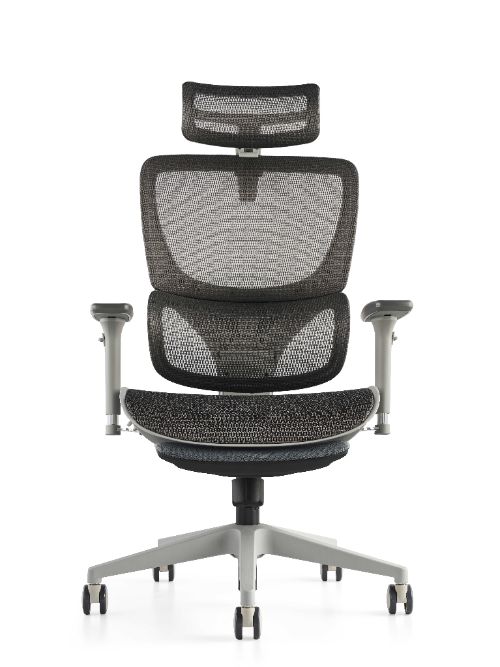
Armrest height and width often look fine on a spec sheet but feel completely different once you rest your elbows. In person, you can check if the armrests actually line up with your natural elbow position while typing or reaching for the wheel. Many chairs offer four-directional adjustment, yet the range may be too high, too low, or too narrow for your frame. Spend a few minutes leaning on each side; if your shoulders shrug or your wrists angle awkwardly, that's a sign the armrests won't work for long days.
Seat depth is another spec you can't judge from pictures. A deep seat can press into the back of your knees, cutting circulation, while a shallow seat under-supports your thighs. When you sit down, slide your hand between the front edge of the cushion and the back of your calf. You should have about two to three fingers of clearance. Also try reclining slightly and shifting your hips; see if the seat pan stays comfortable or if you feel like you're sliding forward. Actually testing these two adjustments side by side in a showroom can prevent weeks of buyer's remorse.
Mesh, Leather, or Fabric: What Survives a Humid Summer
Humidity turns a simple choice into a survival test. Mesh looks like the obvious winner—it lets air move, dries fast, and doesn't cling the way leather does after a five-minute walk. But there's a catch: cheap mesh bags or shoes often sacrifice structure, leaving you with something that feels flimsy by August. The real test isn't just airflow; it's whether the material can handle repeated sweat, sudden downpours, and the slow creep of mildew.
Leather has a reputation for getting better with age, but humidity doesn't care about reputation. Untreated leather soaks up moisture from the air and your skin, turning stiff or sticky, and it becomes a breeding ground for mold if you store it damp. You can keep leather alive through a humid summer, but only with regular conditioning, proper ventilation, and a strict no-stuffing-it-in-a-closet-while-wet rule. Most people won't do that.
Fabric is the dark horse, mostly because "fabric" covers so much ground. Cotton canvas feels breathable until it's saturated, then it stays wet for hours and starts to smell. Technical synthetics—think ripstop nylon or polyester blends—are the real survivors. They wick moisture, dry overnight, and shrug off mildew better than natural fibers. If you have to pick one material for a humid summer, look past the label and check how tightly it's woven and how quickly it dries.
Why a Cheaper Chair Can Still Protect Your Lower Back
Lower back support depends more on how a chair positions your pelvis and spine than on how much you paid for it. A budget chair with a seat height that lets your feet rest flat, a backrest that touches the curve of your lumbar spine, and a firm enough cushion to stop your hips from sinking can keep you in a neutral posture through a full workday. Many cheap chairs include a fixed lumbar bump or a slightly curved back that does exactly that.
The real difference with expensive models often comes down to fine-tuning: armrest angles, adjustable lumbar depth, recliner tension. Those adjustments can help, but they are not required for basic back protection. If a lower-cost chair lets you shift between upright sitting and a gentle recline without straining, your spine gets the movement it needs to stay comfortable.
Even a simple add-on like a rolled towel placed behind the small of your back can turn an ordinary cheap chair into a supportive seat. The best protection comes from matching the chair to your body, keeping your screen at eye level, and getting up every half hour or so. That routine weighs far more than the price tag.
How to Decode Weight Capacity and Cylinder Quality
Most cylinders carry a stamped tare weight near the collar or footring, but that number alone won't tell you if the tank is worth refilling. Compare it against the actual weight on a scale; a difference of more than a few ounces often points to internal rust, old valve replacements, or uneven wall thinning from years of hydrostatic testing. Experienced users keep a small log or a piece of tape on the tank with its empty weight, so a quick lift gives a rough sanity check before hooking up regulators.
Cylinder quality hides in less obvious places, including the date stamps, the thread condition, and the finish around the neck. Look for a smooth, unchipped crown where the valve seats, and avoid any cylinder with heavy pitting near the bottom weld. A quality tank will have a clean, legible DOT or TC stamp, a current hydro test date, and no signs of repainting that might cover heat damage. If the weight feels off or the valve threads catch when screwing in, walk away. Even a small defect under pressure becomes a serious hazard.
A 10-Minute Sit Test That Reveals More Than Any Spec Sheet
Most people judge a chair by the numbers printed on a tag—height, width, foam density. But those figures never tell you how your lower back feels after five minutes, or whether your thighs start to tingle because the front edge digs in. A ten-minute sit test forces you past the showroom glance and into the real relationship between your body and the seat pan. You notice the subtle slope that either supports your pelvis or lets it slide forward. You feel the pressure building under your sit bones, or the relief when the cushion finally yields in the right spot.
By sitting still for ten minutes, you also expose hidden flaws that a spec sheet never mentions. Maybe the armrests are too narrow for your elbows, or the lumbar curve hits too high. These details only emerge after your muscles relax and you stop adjusting. The test works because it mimics how you will actually use the chair—not a brief bounce in the store, but a sustained stay at a desk or in a car. Your body becomes the measuring tool, and it doesn't care about marketing claims.
So next time you evaluate a seat, skip the brochure. Set a timer for ten minutes, put your phone down, and just sit. Read a page, look out the window, or think about your day. If you can do that without shifting constantly or feeling numb, you have found something far more valuable than any data point.
FAQ
Look beyond the marketing photos. Verify the seat depth adjustment range, ideally 40 to 50 cm, and make sure the lumbar support can move both vertically and in depth. Also check the gas lift class: Class 3 is fine for most users, but Class 4 is safer if you weigh over 90 kg. Request a video of the chair being adjusted if the seller's photos seem staged.
A solid mid-range model from a reputable Chinese factory usually lands between 180 and 350 dollars. Below 150, you're often getting thinner foam and limited tilt lock. Above 500, you're paying for brand markup or imported mesh that Chinese makers already source locally. Skip features you won't use, like a built-in footrest, unless you actually recline daily.
It can be, if you focus on return policies rather than product images. Choose sellers that offer free pickup returns or at least a 30-day no-questions-asked window. Measure your current chair's seat height and depth, then compare those numbers to the listed specs. If a listing omits seat depth or lumbar travel, treat that as a red flag.
Look for a nylon frame rather than cheap polypropylene, and a mesh back with a tight weave if you can get that info. For the seat cushion, high-resilience molded foam at 50 kg per cubic meter or higher lasts much longer than standard foam. Avoid bonded leather, it cracks within two years. If you want leather, choose top-grain or go with an all-mesh seat instead.
Chinese factories often pack more adjustability into a lower price because they sell direct or through small importers. You'll frequently see 4D armrests, synchro-tilt, and adjustable lumbar on a 250 dollar chair that would cost 500 from a Western label. The trade-off is usually softer cushioning and less polished instructions. Check the user manual before assembly to see if it's clear.
Seat pan depth. Many users sit with too much pressure behind the knees because the seat is too deep. You want two to three fingers of space between the seat edge and the back of your knees. On Chinese chairs, this adjustment is sometimes hidden under the seat or requires loosening a knob. Test it before you judge the lumbar support, it changes how the backrest hits your spine.
BIFMA compliance is the most relevant for office use, even for chairs from China. Some factories also have SGS or TUV test reports for the gas lift and tilt mechanism. Ask the seller for a copy of the test report; if they hesitate, move on. CE marking alone doesn't mean much for seating quality, so don't rely on that.
The armrests and the tilt mechanism tend to fail first. On sub-150 dollar chairs, armrest pads wobble or the height lock slips within months. The gas lift can also develop a slow sink if it's a low-class cylinder. Check if the seller sells replacement parts; if they stock armrest pads and gas lifts, that's a good sign the chair is built to be repaired rather than tossed.
Conclusion
Many buyers assume that a chair with a sculpted backrest automatically provides real lumbar support, but that's rarely the case. You need to sit down and feel whether the support actually presses into the curve of your lower spine, and whether you can adjust both its height and depth. Don't overlook the armrests and seat depth either, because if your elbows aren't supported at desk height or the seat edge digs into the back of your knees, even the most expensive ergonomic chair will cause fatigue within an hour. In a humid summer, mesh is almost always the smartest choice: it lets air circulate while leather traps heat and fabric absorbs sweat, leaving you sticky by mid-afternoon. But don't assume you have to spend a fortune to protect your back. Some budget-friendly chairs offer surprisingly effective lumbar adjustments and a breathable mesh back, as long as the frame is sturdy and the cushion isn't too soft.
Before you buy, pay close attention to the weight capacity rating and the gas cylinder quality. A chair rated for less than your body weight will wear out quickly, and a cheap cylinder can fail unpredictably, dropping you a few inches without warning. Instead of relying on spec sheets alone, do a 10-minute sit test: set the chair to your usual desk height, plant your feet flat on the floor, and work through a few tasks. Notice whether your lower back stays supported when you lean forward slightly, whether the armrests allow your shoulders to relax, and whether the seat depth lets you sit all the way back without cutting off circulation behind your knees. A chair that passes this hands-on test, even if it lacks fancy branding, will serve you far better than a premium model that looks impressive in photos but fails in real use.
Contact Us
Contact Person: Diff Wang
Email: [email protected]
Tel/WhatsApp: +8613650281199
Website: https://www.ofcmeshchair.com/