

Custom Karate Chest Guard Buying Advice for Fighters Who Need a Personalized Fit
2026-11-26
Off-the-rack chest guards assume every fighter has the same ribcage, reach, and stance—which is exactly why they rarely feel right during full-contact sparring. If you are tired of adjusting straps between rounds or choosing between mobility and protection, this custom karate chest guard buying advice is written for fighters who need a personalized fit. Small details like shell curvature, padding density, and strap placement change how confidently you move. PandaWin Sports has been refining those details, and this guide walks through what to check before you order.
When Standard Sizing Charts Lie About Your Ribcage
Sizing charts tend to treat your torso like a single number, but a bust measurement rarely captures what your ribcage is actually doing. You can measure 36 inches around the fullest part and still find that a garment labeled 36 cuts into your back or refuses to close at the underbust. That is because ribcages flare, taper, and carry width in ways a flat chart never asks about.
Breathing alone changes the circumference enough to make a morning measurement misleading by afternoon. Add a full meal, a few hours of sitting, or even warm weather, and the lower ribs sit differently against a woven or fitted bodice. Standard charts assume a calm, static body, which is not the body wearing the clothes.
Before trusting the size label, measure the band area while exhaling and again after a deep breath, then compare that range to the garment's ease and side-seam placement. The number on the chart is a starting point; your ribs will tell you more than the chart ever will.
Padding That Bends With You Instead of Fighting Back
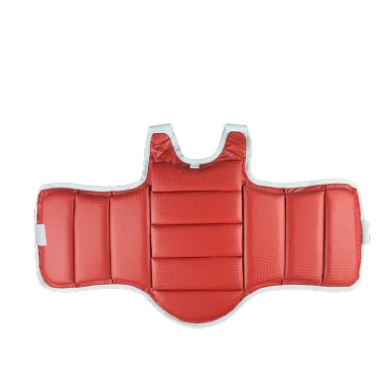
Most padding is designed as if your body stays still, which is exactly why it starts to feel like a foreign object after a few miles. This layer works the other way. It shifts in small increments with your stride, your weight transfer, and the micro-adjustments your hips and shoulders make without you noticing. The result is less friction, fewer hot spots, and a fit that stays quiet instead of demanding you break it in.
The key difference comes down to how the material responds under load. Instead of flattening out or pushing back when compressed, it gives gradually and then returns a beat later than you expect. That slight delay is intentional; it follows the rhythm of movement rather than snapping back against the skin. You notice it most when you stop adjusting the pad midway through a ride, a shift, or a long afternoon on your feet.
Over time, the padding starts to feel less like a separate insert and more like a natural extension of the garment or gear. It softens where you need relief and keeps its structure where support matters. That kind of quiet adaptability means fewer pressure marks at the end of the day, fewer reasons to think about the padding at all, which is usually the point.
Getting the Side Straps Right Without Cutting Off Your Breath
Most people crank the side straps down until the pack feels glued to their ribs, then wonder why every inhale turns shallow. The trick is to tighten them only to the point where the load stops shifting, not where your torso starts doing the work of the straps. Leave a little room around the lower ribs and let the hip belt carry the bulk of the weight before you touch the side straps again.
After a few minutes on the trail, pause and shrug your shoulders, take a deep belly breath, and see if the pack moves with your back instead of against it. If the straps dig into your armpits or make you hunch, back them off in small increments until your breathing stays full and your shoulders can drop naturally.
A good checkpoint is to slip a flat hand between the strap and your collarbone while standing upright. It should pass through with mild resistance, not force. Small adjustments here usually do more for comfort than any amount of padding, because a pack that lets you breathe will always feel lighter than one that squeezes you.
Why Your Current Guard Shifts During Sparring
Your guard doesn't fall apart because your arms get tired. It drifts when your feet put you in a bad corner, when your eyes chase the feint instead of the chest, or when you throw a combination and let the last punch pull your shoulder across your chin. Sparring punishes any habit that relies on static positions, so as soon as your opponent changes levels or angles, the old hand placement stops fitting the threat in front of you.
A lot of fighters feel their hands drift after they get hit once or twice. That is not a conditioning problem. It is usually a reaction loop: your head pulls back, your hips square up, and your elbows lift away from your ribs because you are trying to create space with your upper body instead of your feet. Add an aggressive partner who parries hard or frames into your guard, and a small adjustment becomes a full collapse over the round.
The fix is less about holding your hands higher and more about resetting them from the ground up. If your rear heel is floating or your stance is too narrow every time the pace rises, your guard will shift as a symptom. Work on returning to a balanced stance after each exchange, keeping the elbows connected to the ribs, and moving your head without letting your lead hand follow it. The position should feel less like a shell you hold and more like a structure you return to automatically.
Talking to a Maker So the Fit Is Actually Yours
When you talk directly with the maker, the measurements stop being generic numbers on a size chart. Instead of settling for a jacket that pulls at the shoulders or trousers that bunch at the waist, you get to explain how you actually move, sit, and stand through a normal day. That conversation shapes the fit around your habits, not the other way around.
This kind of back-and-forth also uncovers details you might not think to mention otherwise. Maybe you always carry a thicker wallet in your back pocket, or you prefer a little extra room in the forearms because you roll your sleeves often. By speaking with the person cutting and stitching the piece, those small preferences become part of the pattern from the start, so the final garment feels less like a standard product and more like something that was quietly adjusted just for you.
The result is a fit that holds up in real life, not only in the fitting room mirror. Because the maker heard what bothered you about off-the-rack pieces, the finished item avoids the usual compromises. You are not choosing the closest available size anymore; you are describing the shape you actually need, and the maker turns that into something wearable, comfortable, and genuinely yours.
Small Adjustments That Survive Weight Fluctuations and Long Training Months
Most lifters abandon a program the moment the scale stops cooperating or a few rough sessions stack up, but the real progress hides in adjustments that don't crack under those conditions. Instead of rewriting your entire routine when bodyweight dips or climbs, keep the core lifts intact and tweak the variables that are easy to sustain: hand spacing on the bench, stance width at the bottom of a squat, or the tempo of your lockout. These changes are minor enough to survive a bad week, yet precise enough to keep adding mechanical tension without relying on perfect recovery or a steady morning weight.
Long training blocks expose the weakness of overly ambitious overhauls. What works in month one often falls apart by month four, not because the exercises stopped being effective but because life, appetite, and joint tolerance shifted. A small adjustment, like switching from a flat to a low incline for overhead pressing or moving your deadlift grip from double overhand to hook grip for only your top sets, can bridge that gap. It keeps the movement pattern familiar while giving the nervous system enough novelty to avoid stagnation, without demanding a new learning curve every few weeks.
The trick is to make these tweaks in single-variable steps and let them run for at least two or three sessions before judging them. If your pull-ups stall after a six-week block, don't swap to rows and change your rep scheme on the same day. Add a one-second pause at the top, or narrow your grip by one finger width, and leave everything else alone. That kind of restraint builds a training history you can actually read, so when weight fluctuates or fatigue accumulates, you're adjusting from evidence rather than reacting to a bad day on the scale.
FAQ
If you constantly have to tighten the straps to the point they dig in, or the guard shifts when you throw combinations, that is a clear sign the pattern was cut for someone else. Gaps around the ribs, pressure on the collarbone, or a bottom edge that rides up during stance changes also mean the geometry is off.
Chest circumference alone is not enough. A good maker will ask for shoulder width, sternum to waist length, rib depth, and sometimes the distance across the upper back. These together control where the guard sits, how far it wraps, and whether it blocks without limiting your arms.
Yes. You can often choose strap placement, closure style, padding thickness in specific zones, and sometimes a shorter or longer cut for your torso. Some fighters add extra side coverage, request a lower neckline to avoid choking sensations, or pick a liner material that works with sensitive skin.
Look for a multi-layer foam that is firm in the center but softer at the edges, paired with a lightweight outer shell. Avoid guards that use one thick slab of hard foam because they tend to feel bulky. Modern closed-cell foams absorb impact well while staying slim, and a breathable liner helps keep the weight from feeling hot and heavy.
The guard should sit close to the body without compressing your ribs when you inhale fully. A useful test is to strap it on, take a deep breath, and throw a few reverse punches and upper blocks. If the guard rides up or you feel pressure at the sternum, the fit is too tight or the cut is too high.
Usually yes if you train hard or compete often. A well-fitted guard stays in place during fast sparring, which means fewer distractions and less chance of taking a clean hit to an exposed rib. For someone who only does light drills, a stock guard with good adjustability may be enough.
They take measurements over thick clothing, pull the tape too tight, or only measure the chest and ignore torso length. Others choose the thickest padding assuming it is better, then discover they cannot move freely. It is also common to rush the process and skip sending photos or follow-up details the maker asks for.
Conclusion
Most chest guards fail because they are built around an average ribcage, not yours. A size chart can tell you medium or large, but it cannot account for the way your ribs flare when you breathe or how your shoulders roll in a fighting stance. That is why stock guards either pinch at the side straps or shift the moment you throw a combination. Look for padding that curves with your torso rather than sitting on it like a stiff plate; layered foam with vertical flex lines tends to move with you instead of against you. The side straps deserve more attention than the front panel because they control whether you can breathe deep in a clinch or feel like the guard is hugging your lungs too tight.
If your current guard slides during sparring, the issue is rarely the chest piece itself. It is usually the strap angle and the way the lower edge meets your floating ribs. A maker who asks about your stance, breathing pattern, and training schedule is more useful than one who only asks for a tape measurement. Small adjustments such as offset side closures, wider elastic panels, or slightly longer underarm cutouts let the same guard keep fitting through weight fluctuations and long months of training. Tell the maker where you carry tension and how much your weight typically shifts between fight camp and off-season. That information turns a decent guard into one that feels like it was shaped for your movement, not just your chest circumference.
Contact Us
Contact Person: Fei Xu
Email: [email protected]
Tel/WhatsApp: +8618631245578
Website: https://www.pandawinsports.com/