

Custom Rocker Switch Manufacturer: What to Ask Before You Order
2026-08-17
Ordering custom rocker switches isn't just about picking a shape and a rating. Ask the wrong questions—or none at all—and you might end up with switches that don't fit your application, fail early, or cost more to rework than to replace. Before you sign off on a design, here are the questions worth raising with your manufacturer. When you work with a partner like KEJIAN ELECTRONICS, these conversations are where real customization begins.
Will It Survive My Exact Voltage, Current, and Environment?
The short answer is that no single datasheet number will give you a clean yes or no. Survival under a specific voltage and current depends on how long the stress is applied, how the surrounding temperature affects internal heat dissipation, and whether the load is steady or full of spikes. A part rated for 5V and 100mA in a 25°C lab can fail quickly at 45°C with the same electrical load because semiconductor leakage rises and thermal margins shrink.
You have to map the real operating envelope: maximum rail voltage including transients, worst-case current draw during inrush or stall, and environmental factors like humidity, condensation, chemical exposure, and altitude. Derating is not optional. If the datasheet lists absolute maximum 30V, running at 28V in a hot enclosure with poor airflow is asking for trouble. A safer approach is to stay 20–30% below rated limits and test with the actual enclosure, not an open bench.
Also check failure modes. Some components degrade gradually—electrolytic capacitors dry out, connectors corrode, solder joints fatigue from thermal cycling—so a design that survives the first hour can still die in six months if the environment includes vibration, salt mist, or repeated power cycling. Match your protection, such as TVS diodes, conformal coating, and wide-temperature passives, to the worst case you actually expect, not the nominal spec sheet.
Can I Get a Production-Ready Sample Before Tooling?
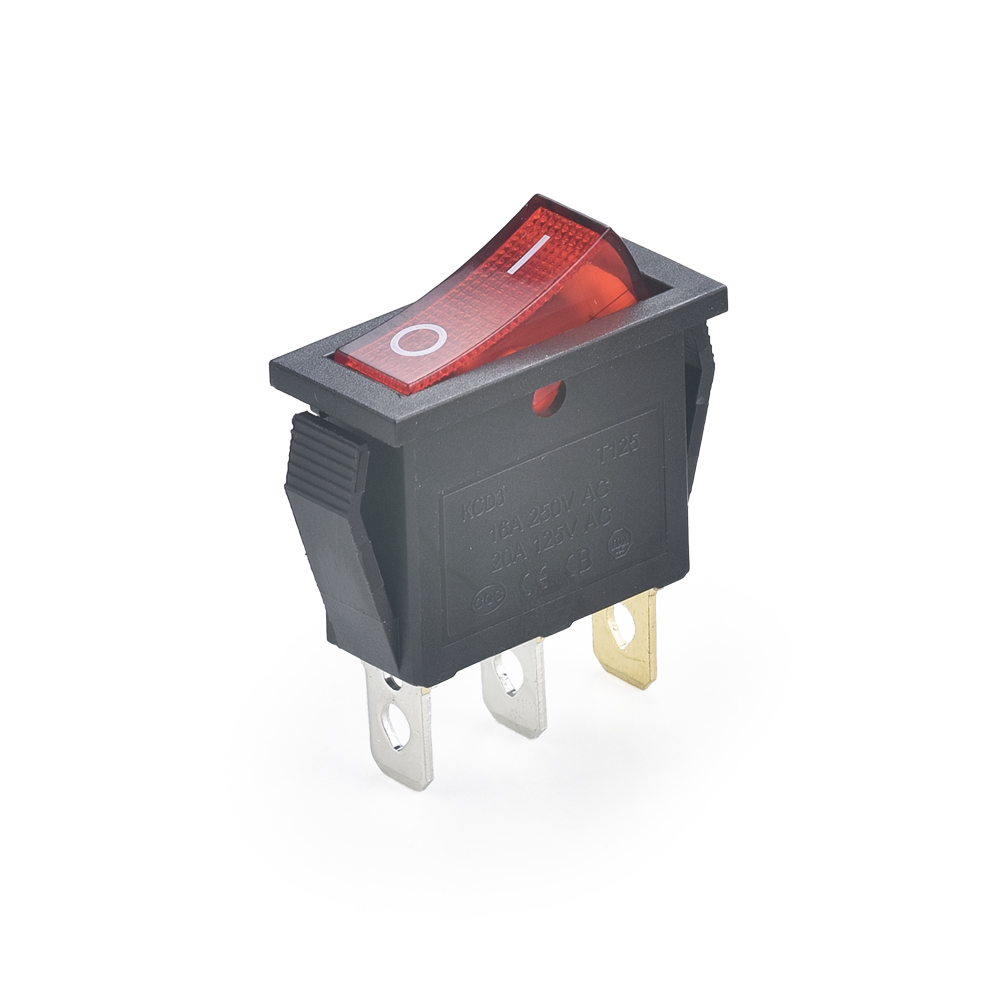
Yes, in most cases you can get a functional sample before committing to full production tooling. The route depends on how close you need it to the final part. CNC machining, vacuum casting, and 3D printing all work for early validation, but they won't replicate every nuance of a high-pressure injection molded component. If your main concern is checking geometry, assembly, or basic mechanical behavior, a pre-tooling sample will usually get you there.
Where it gets tricky is when 'production-ready' is taken literally. A machined prototype might have different internal stresses, surface texture, or shrinkage behavior than a molded part. That means tests for impact resistance, chemical compatibility, or long-term fatigue can give you false confidence. For those, you often need at least a prototype mold or a short bridge run, which sits between one-off prototyping and final steel tooling.
Before you sign off on a sample, ask the supplier to list every way it will differ from the final production part - material grade, finish, gate location, even colorants. Some shops can 3D-print or machine soft molds for a few hundred parts, which closes a lot of those gaps without the full tooling cost. That's often the smartest compromise if you want to avoid reworking hardened steel later.
What Custom Legends and Illumination Do You Actually Stock?
We keep a rotating inventory of custom legends and illumination options, but the exact stock changes monthly based on what our fabrication partners send through. The most consistent items are etched brass switch plates, backlit acrylic house numbers, and small cast resin panels with embedded fiber optics. These tend to sell out quickly, especially the brass plates with vintage railroad or botanical motifs.
For illumination, we usually have a handful of battery-powered LED light boxes and a few hardwired sconce kits that can be paired with any legend plate. The light boxes are slim enough to fit inside a standard junction box, and they come with dimmer-compatible drivers. If you want something larger, like a backlit sign for a porch or hallway, that is usually made to order with a two-week lead time.
The best way to see current stock is to stop by the shop or send a quick message. We can pull everything we have onto the counter and let you mix and match faceplates, legends, and light temperatures. If we do not have a particular style, we can often get it cut or cast within a few days, but we never list those as in-stock items because each one is slightly different from the last.
Who Owns the Mold If Our Requirements Change?
Ownership of a mold isn't automatically tied to the original design. If your requirements shift after tooling has been built, the person or company that paid for the mold usually holds the title unless a contract says otherwise. That seems straightforward, but requirement changes often introduce new machining, inserts, or entirely new cavities, and those additions can create confusion about who actually owns what.
Suppliers sometimes assume that once they make modifications at your request, the improved mold becomes their property because they absorbed part of the labor or material cost. Without a written amendment, you could end up paying for changes and still not have clear rights to the updated tool. It's not enough to rely on email threads or verbal agreements.
Before any requirement change is approved, pin down whether the modified mold remains under your ownership or transfers to the manufacturer. If the supplier funds part of the revision, negotiate a buyout clause or a joint ownership arrangement. Otherwise, you might discover too late that your 'new' mold can't leave the factory without paying an unexpected release fee.
How Do You Prove Cycle Life and Sealing Beyond the Datasheet?
Proving cycle life and sealing beyond the datasheet demands more than standard specifications. We subject each cell to custom stress protocols that exceed manufacturer ratings, such as repeated deep discharges at elevated temperatures combined with mechanical vibration. This approach reveals degradation modes that static datasheet values cannot capture, ensuring the battery survives real-world abuse long after its official cycle count is reached.
For sealing integrity, we move past simple pressure decay tests. Helium leak detection at sub-micron levels, followed by thermal shock cycling from -40°C to 85°C while under pressure, exposes micro-leaks that typical bubble tests miss. We also run extended calendar life tests where cells sit at full state of charge in humid environments for months, monitoring internal pressure and electrolyte loss—data points rarely disclosed in standard documentation.
Field data from early adopters further validates these lab results. By correlating accelerated test outcomes with actual usage in forklifts and grid storage, we refine our models to predict both cycle life and seal durability with high confidence. When customers ask how we prove performance beyond the datasheet, we share not just numbers but the testing narrative behind each failure we prevented.
What Are the Hidden Costs After the First Quote?
The first number you see rarely survives contact with reality. A quote might look clean at $2,400, but the fine print often hides charges for things like moving heavy furniture, disposing of old materials, or even just showing up on a weekend. These aren't always listed as line items—they emerge later as "adjustments" or "unforeseen conditions."
Another layer comes from choices you didn't realize were optional. The base quote may include the cheapest grade of paint, the thinnest plywood, or a standard finish. The moment you ask for something slightly better—a matte instead of gloss, a thicker wire, a quieter motor—the price creeps up. Salespeople often frame these as upgrades, but in practice they're just the real cost of getting what you actually wanted.
Then there's the timing tax. Quotes are usually valid for a short window, and any change in schedule, scope, or even weather can trigger a revised number. If the crew has to come back for a second visit because a part didn't arrive, that's another trip charge. The best defense is to ask for a line-by-line breakdown and circle every item that says "starting from" or "subject to change." That's where the hidden costs like to hide.
FAQ
Sometimes yes. Many manufacturers keep a library of existing mold bases and only charge for new actuator printing or terminal changes. Ask for a fit check against your panel drawing before assuming you need new tooling.
The main levers are print setup, material pigments, and whether the change interrupts a standard production run. If you can stick to a manufacturer's stock housing and only customize the legend, the cost stays close to standard pricing.
Request the exact IP rating and test data for the assembled switch, not just the body. A good supplier will share vibration and thermal cycling reports for a similar configuration, and should be willing to run a small batch validation before full production.
It varies by tooling status and queue. With existing tooling, samples often take two to three weeks; full production might be four to six weeks after approval. New tooling can add a month or more. Always ask for a written timeline with milestone dates, not a single number.
Not every rocker material diffuses light the same way. Ask to see physical samples with your chosen LED color and lens material. Some manufacturers will fine-tune ink density or use laser etching to keep the legend crisp under backlighting.
Clarify the warranty window and whether the manufacturer covers replacement switches only or also covers removal and rework labor. Some suppliers offer a root-cause analysis report for field failures if you provide the failed units within the agreed period.
Most established manufacturers retain approved drawings and production notes, but it's worth confirming how long they keep them and whether there's a reorder setup fee. Also ask if they will notify you before retiring any component used in your switch.
Many rocker switch makers can integrate harnesses, connectors, or custom terminal pins if you provide the mating part number. Ask if they carry those components in-house or if sourcing them adds lead time and cost to your order.
Conclusion
Before you sign off on a custom rocker switch, pin down whether the housing and contacts can handle your exact voltage, current, and any exposure to moisture, dust, or vibration. Many suppliers quote generic ratings, but your duty cycle and temperature swings are what actually kill a switch. Ask for a production-ready sample machined or molded from the same material as the final part—not a 3D-printed lookalike—so you can test fit, feel, and electrical behavior without paying for tooling upfront. At the same time, get a straight answer about which legend options, lens colors, and LED illumination packages they already have in stock. Custom artwork often comes with setup fees and longer lead times, while stock combinations may meet your need and ship faster.
Equally important is knowing who owns the mold if your requirements shift later. If the supplier retains tooling rights, you could be locked into their pricing or forced to repurchase a mold you already funded. The contract should spell out transfer terms and any exit costs. Also push for actual cycle-life and sealing test data from their own lab or a third party—datasheet numbers mean little if the switch is never abused the way your application will. Finally, ask for a fully itemized quote that includes legend setup, connector or terminal options, packaging, shipping, and any minimum order penalties. Many initial prices look attractive until tooling amortization or color-change fees appear on the second invoice. Getting these answers early turns a vague promise into a supplier you can actually hold accountable.
Contact Us
Contact Person: Anna lin
Email: [email protected]
Tel/WhatsApp: +86 13567768885
Website: https://www.kjele.com/