

Flat and Rectangular Wire Reduction Mill Solutions: Expert Supplier Insights
2026-02-15
In the demanding world of metal forming, the precision of flat and rectangular wire production can make or break your operations. The intricacies of reduction milling often present challenges that require not just equipment, but expert insights and tailored solutions. At GRM, we’ve spent years honing our approach to these complexities, blending innovation with practical wisdom. In this blog, we’ll dive into the nuanced strategies and cutting-edge technologies that set our reduction mill solutions apart. Whether you’re optimizing existing processes or exploring new avenues, you’ll discover how GRM’s expertise can transform your production line and elevate your results. Stay tuned as we unpack the keys to efficiency, quality, and reliability in wire reduction.
Innovations in Flat and Rectangular Wire Rolling
The evolution of flat and rectangular wire rolling has been propelled by breakthroughs in precision engineering and material science, enabling manufacturers to achieve tighter tolerances and superior surface finishes. Advanced rolling mills now incorporate digital control systems that dynamically adjust pressure and speed, minimizing defects like edge cracking and irregular thickness. These innovations have expanded applications in electronics, where flat wires are essential for compact connectors and high-frequency transmission.
Recent developments include the integration of additive manufacturing techniques with traditional rolling processes, allowing for the creation of complex wire geometries with tailored mechanical properties. This hybrid approach reduces material waste and enhances flexibility in production, particularly for custom orders in aerospace and medical device industries. By leveraging real-time monitoring, manufacturers can fine-tune processes to optimize conductivity and strength, meeting stringent industry standards while cutting costs.
Sustainability-focused innovations are reshaping the field, with eco-friendly lubricants and energy-efficient rolling systems gaining traction. Innovations like closed-loop cooling and recycled material inputs not only lower environmental impact but also improve wire durability and performance. As industries demand lighter and more durable components, these advancements position flat and rectangular wire rolling at the forefront of next-generation manufacturing solutions.
Key Features of Advanced Wire Reduction Mills
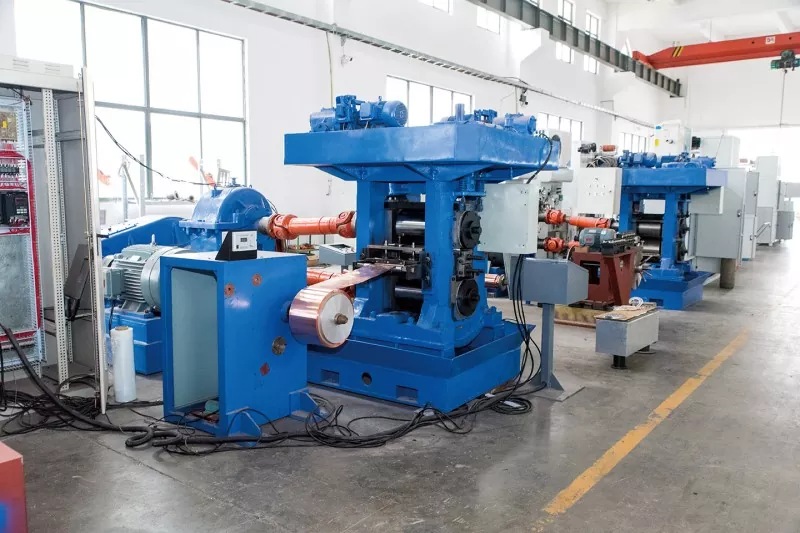
Advanced wire reduction mills are built with cutting-edge technologies that significantly boost productivity and precision. These mills often incorporate automated control systems, allowing operators to fine-tune parameters in real-time for consistent wire quality. By leveraging high-speed motors and robust materials, they can handle a wide range of alloys and diameters without compromising on performance.
A standout feature is the integration of smart sensors that monitor wear and tear, predicting maintenance needs before breakdowns occur. This proactive approach minimizes downtime and extends the equipment's lifespan, making operations more reliable. Additionally, energy-efficient designs reduce power consumption, which not only cuts costs but also supports sustainable manufacturing practices in today's eco-conscious market.
These mills are designed for versatility, enabling seamless adjustments between different wire specifications. With user-friendly interfaces and modular components, they adapt quickly to changing production demands, giving manufacturers a competitive edge. The result is a system that not only meets but exceeds industry standards for accuracy and efficiency.
Custom Solutions for Diverse Industry Applications
Tailored approaches are essential across varied sectors, as one-size-fits-all methods often fall short. In manufacturing, for instance, bespoke automation systems can streamline production lines while reducing downtime, directly addressing unique operational challenges. Similarly, in healthcare, custom software platforms enable personalized patient management, enhancing both efficiency and care quality without generic constraints. These solutions adapt seamlessly to specific industry demands, driving innovation and competitive edge.
Beyond core operations, custom strategies foster resilience and scalability in rapidly evolving markets. Financial institutions leverage tailored risk assessment tools to navigate regulatory landscapes, while retail businesses implement personalized marketing campaigns that resonate with diverse consumer bases. This adaptability not only meets immediate needs but also anticipates future trends, ensuring long-term sustainability and growth across sectors from energy to education.
Ultimately, the value of custom solutions lies in their ability to transform industry-specific pain points into opportunities for advancement. By focusing on unique requirements and collaborative development, organizations can achieve measurable outcomes, such as cost reduction or improved user experiences. This emphasis on customization empowers industries to innovate confidently, turning diverse applications into tangible success stories.
Enhancing Efficiency with Modern Mill Technology
Modern mill technology redefines operational efficiency by integrating advanced automation and data analytics into traditional processes. Unlike older systems that relied heavily on manual adjustments and periodic maintenance checks, today's mills harness real-time monitoring and predictive algorithms to optimize output. For instance, smart sensors embedded in equipment can detect minute variances in material flow or wear on components, allowing for proactive interventions that minimize downtime and reduce waste. This shift from reactive to intelligent management not only boosts production rates but also enhances resource utilization, making mills more agile in responding to fluctuating market demands.
Beyond automation, modern mills leverage modular and scalable designs that streamline workflow adaptations. By adopting flexible configurations, such as adjustable feed systems or interchangeable processing units, facilities can quickly reconfigure operations to handle diverse materials or product specifications without extensive retooling. This adaptability is particularly crucial in industries requiring rapid prototyping or custom batches, as it reduces setup times and increases throughput. Moreover, energy-efficient technologies, like regenerative braking in motors or heat recovery systems, further cut operational costs while aligning with sustainability goals, proving that efficiency gains are not just about speed but also about smarter resource use.
The human element remains integral in maximizing these technological advantages, with training programs focused on upskilling workers to manage and interpret complex data from digital dashboards. Instead of replacing jobs, modern mill tools empower teams to make informed decisions based on actionable insights, fostering a culture of continuous improvement. As a result, businesses report not only higher productivity but also improved safety and morale, showcasing how cutting-edge technology and skilled personnel together drive lasting efficiency in milling operations.
Material Quality and Durability Considerations
When selecting materials, it's not just about the initial appearance or cost; the quality and durability of materials play a crucial role in ensuring longevity and reducing overall maintenance. Factors such as resistance to wear, environmental impacts like moisture or UV exposure, and the material's ability to withstand daily use should be top priorities. For instance, high-grade metals or polymers often outlast cheaper alternatives, saving you time and money in the long run.
Durability isn't a one-size-fits-all concept—it depends heavily on the specific application and conditions. Materials like stainless steel or treated woods can offer excellent resilience in harsh environments, while others might degrade quickly if not properly matched to their intended use. It's wise to consider how the material will interact with factors like temperature changes, chemical exposure, or physical stress to make an informed choice that stands the test of time.
Moreover, the quality of materials often translates to better performance and aesthetic retention over the years. Investing in superior materials might have a higher upfront cost, but it can prevent frequent replacements and enhance the overall value of a product or structure. Think about it: durable materials not only reduce waste and environmental impact but also contribute to a more reliable and satisfying user experience in the long term.
Insights from Leading Manufacturers in Wire Production
In the wire production industry, leaders are constantly pushing boundaries with cutting-edge technologies and sustainable practices. Rather than relying on outdated methods, these manufacturers emphasize innovation in material development, such as using high-strength alloys and eco-friendly coatings that reduce environmental impact. For example, some have adopted smart manufacturing systems that integrate real-time monitoring and automation, ensuring consistent quality while minimizing waste. This proactive approach not only enhances product durability but also sets new benchmarks for efficiency and cost-effectiveness, allowing them to stay competitive in a rapidly evolving market.
Another key insight from top wire producers is their focus on tailored solutions to meet diverse customer needs, from industrial applications to specialized electronics. By investing in advanced research and development, they can produce wires with superior conductivity, corrosion resistance, and flexibility. This customer-centric strategy often involves close collaboration with clients to refine specifications and address unique challenges, fostering long-term partnerships and driving innovation across sectors like automotive, construction, and renewable energy.
Moreover, insights reveal that leading manufacturers prioritize operational excellence and safety standards, integrating rigorous testing protocols and employee training programs. By maintaining high ethical standards and transparent supply chains, they not only comply with global regulations but also build trust with stakeholders. In an era where sustainability and reliability are paramount, these practices help differentiate their offerings, making them go-to partners for critical projects that demand precision and resilience.
FAQ
Flat and rectangular wire reduction mills are specialized for processing shaped wires with precise dimensions, unlike conventional mills that handle broader profiles. They use custom-designed rollers and controlled tension to achieve uniform reductions in width and thickness, ensuring high accuracy for applications like automotive components and electrical connectors.
Expert suppliers focus on robust construction with wear-resistant materials, such as hardened steel rollers and reinforced frames. They integrate advanced cooling and lubrication systems to minimize heat buildup and friction, extending equipment lifespan. Regular maintenance protocols and real-time monitoring tools are also provided to optimize performance over time.
Yes, modern flat and rectangular wire reduction mills are versatile and can process various alloys, including aluminum, brass, and specialty metals. Suppliers offer customizable solutions with adjustable settings for different material properties, ensuring consistent results without compromising quality or efficiency.
When choosing a supplier, prioritize those with proven expertise in tailored engineering, offering mills with precise control systems, energy-efficient designs, and comprehensive after-sales support. Look for suppliers who provide hands-on training and quick access to spare parts to minimize downtime in your operations.
These mills enhance material efficiency by enabling precise wire shaping with minimal over-processing. By achieving tight tolerances and consistent outputs, they reduce scrap rates and improve yield. Advanced models include feedback mechanisms to adjust parameters in real-time, further optimizing resource use.
Emerging trends include the integration of automation and IoT sensors for predictive maintenance, as well as eco-friendly designs that lower energy consumption. Suppliers are also developing more compact, modular mills that offer greater flexibility for diverse production lines, adapting to evolving industry demands.
Conclusion
Flat and rectangular wire reduction mills are advancing rapidly, driven by innovations in rolling processes such as precise control systems and automated adjustments that enhance product uniformity and reduce waste. These innovations are integral to modern mill technology, which boosts efficiency through energy-saving mechanisms and real-time monitoring, allowing for seamless production with minimal downtime. Simultaneously, key features like robust construction and advanced cooling systems ensure reliable operation under high-stress conditions, directly contributing to the material quality and durability of the final wire products, which are engineered to withstand demanding applications with superior strength and corrosion resistance.
Leading manufacturers offer custom solutions tailored to diverse industry applications, from automotive components to electronics, adapting mill designs to meet specific requirements for size, shape, and performance. Insights from these experts highlight a collaborative approach, where supplier expertise informs the development of versatile mills that optimize resource use and lower production costs. By integrating these elements, the field not only meets current demands but also positions itself for future challenges, ensuring that flat and rectangular wire production remains efficient, high-quality, and adaptable across various sectors.
Contact Us
Contact Person: Rayna
Email: [email protected]
Tel/WhatsApp: 86 -173 1474 6343
Website: https://www.grmrollingmill.com/