

Food Box Manufacturer Checklist for First-Time Buyers
2026-10-02
First-time food box buyers often learn the hard way that not all manufacturers are equal—some cut corners on food-safe coatings, others pad lead times or hide costs in tiny print. A focused checklist can save you from costly mistakes. Here, we walk through the key factors to inspect before signing your first purchase order. As you read, keep an eye out for suppliers with a track record of consistency and clear communication—like Kuaijie Carton, which has become a go-to resource for buyers who refuse to compromise on quality.
What Food-Grade Actually Means for Your Menu
When you see "food-grade" on a container, tool, or surface, it signals that the material has been tested and approved for direct contact with ingredients or finished dishes. That approval isn't just a marketing label; it usually comes from regulatory bodies that set limits on how much of a substance can migrate into food without posing a health risk. For a busy kitchen, this means every cutting board, storage bin, and piece of packaging needs to be chosen with that contact in mind, especially if it will hold acidic sauces, hot oils, or high-moisture produce.
On a practical level, food-grade status also affects how you clean and maintain equipment. A plastic container might be safe for cold salads but warp or release compounds when exposed to high heat, even if it carries a food-grade stamp. Likewise, a stainless steel worktable with a food-grade finish resists corrosion and bacterial buildup better than untreated metal. Chefs and operators should look beyond the basic certification and match the material's limits to the actual tasks on the menu.
Finally, using non-food-grade items can create subtle but serious problems. A decorative basket lined with a non-approved plastic, or a label adhesive that isn't rated for food contact, may contaminate items over time. For anyone designing a menu, this means the ingredients aren't the only thing that needs sourcing care. The vessels, tools, and surfaces that touch those ingredients are part of the recipe's safety profile, and they deserve the same scrutiny as the proteins and produce themselves.
Why a Physical Sample Beats a Digital Proof
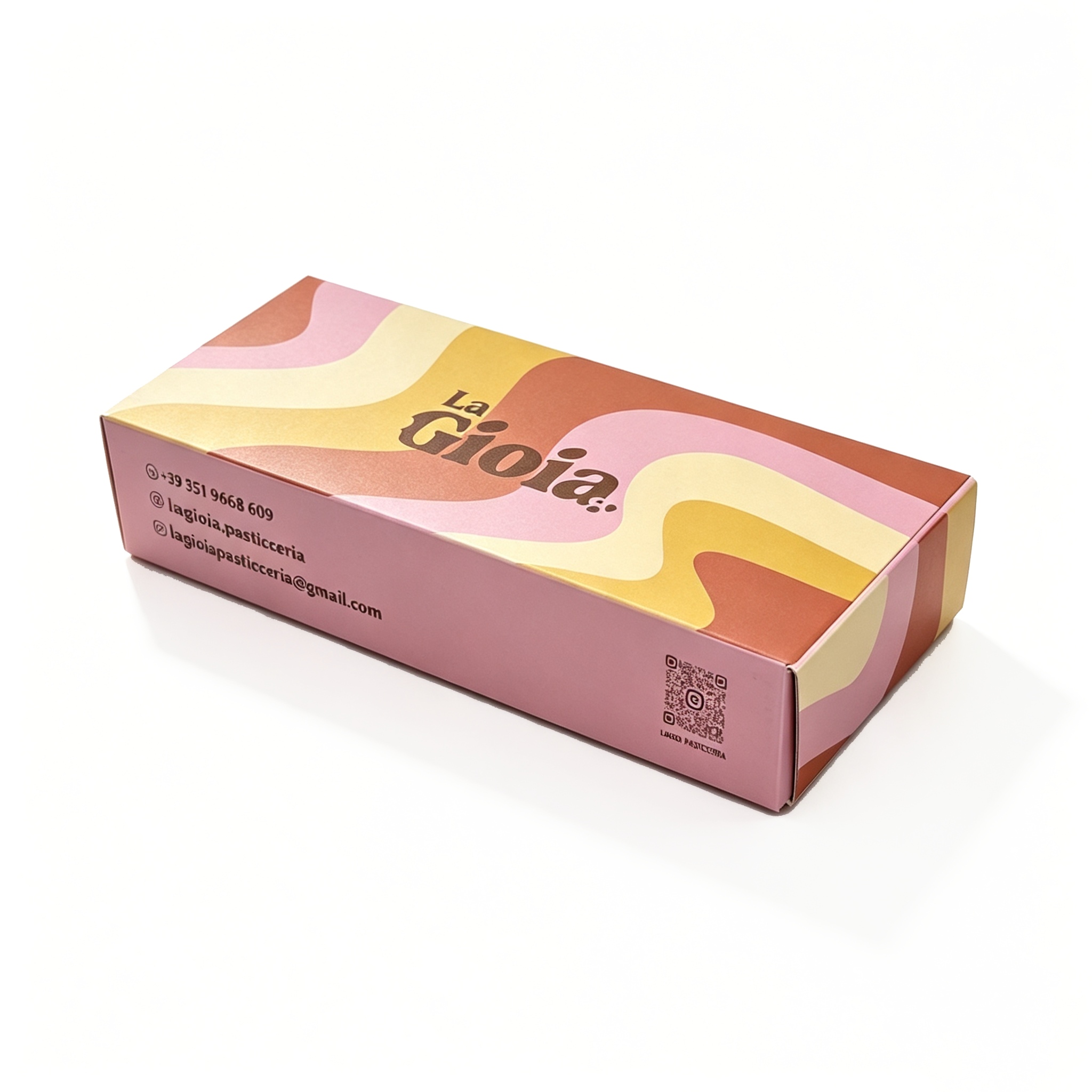
A screen can lie about color. Even a calibrated monitor shifts shades depending on room light, brightness settings, and panel quality. A physical sample gives you the actual material under your own lighting—no rendering engine guessing how a coating reflects or how a fabric drapes.
There is also the matter of weight and finish. Digital proofs often flatten everything and hide texture issues, seam alignment, or how ink sits on a surface. Holding a sample lets you run your thumb across the surface, tilt it toward the light, and catch flaws that pixels smooth over.
Then there is decision speed. A physical sample can be passed around a table, compared side by side with earlier versions, and approved on the spot. A digital proof usually triggers another round of emails and requests for close-ups, which often costs more time than sending a courier.
Which Certifications Hold Up in Your Delivery Area
Local health departments usually set the baseline for what counts as a valid food safety credential. If you deliver prepared meals or groceries with temperature-sensitive items, a current food handler card from your county or a state-approved provider like ServSafe or Learn2Serve tends to be the most direct way to stay compliant. Some cities also require a separate cottage food license for home-prepared goods even when delivered by a third-party courier.
Alcohol delivery changes the picture. Many regions ask for a responsible beverage service certificate, such as TIPS or a state-specific seller/server permit, before you can hand off beer, wine, or spirits. The key is to check whether your delivery zone recognizes national programs or only issues its own credentials. In places like California and Texas, for example, the state has its own approved list, and a generic online course may not be accepted at the door.
Finally, vehicle and insurance credentials often matter more than food-related ones for pure courier work. A valid driver's license, current registration, and commercial or rideshare-friendly auto insurance can be the deciding factors when a platform or local ordinance audits your account. Keeping a photo of these documents on your phone, plus any recent inspection stickers, saves time if a restaurant or dispatch center asks to verify them before a run.
Can the Box Survive Condensation, Grease, and a Bumpy Ride
Condensation is the quiet killer of cardboard. When a chilled product sits inside a sealed box on a warm dock, moisture beads along the interior walls. Within hours, the corrugated fibers soften, the tape loosens, and the box's top-load strength drops by double digits. The only way to pass this test is with a moisture-resistant liner or a wax-coated medium, not just a thicker grade of kraft.
Grease poses a different threat. A thin film of cooking oil or machine lubricant will wick into uncoated board, leaving dark stains that eat away at the adhesive bonds between flutes. We've seen boxes fail after carrying a single leaking fryer basket because the bottom flaps lost their grip. A fluorochemical treatment or a polymer film barrier stops that migration before it starts.
Then there's the ride itself. Potholes, conveyor drops, and a driver's hard braking all translate into rapid shifts inside the truck. Boxes don't just sit there; they grind against each other, slam into side walls, and get stacked under shifting weight. If the box survives condensation and grease but buckles under a 32-inch drop test, it's still not ready for a real route.
How Long You Will Really Wait After Approving Artwork
Approving artwork feels like the final step, but it is really the moment your order enters the production line. The wait after that depends less on the design and more on where your job sits in the queue, whether materials are already on hand, and how many rush orders landed ahead of you. Print shops do not start your piece the second you click approved. They finish the current run, swap plates or load new media, and only then begin yours. So a promised five day turnaround often means five business days after the next available slot, not after your approval.
Another delay most people miss is proofing tolerance. Even after approval, some shops do a pre-flight check or a final color calibration that can add a day or two without notifying you. If you requested a hard-copy proof, that clock restarts once you sign off on the physical sample, not the digital one. So the real wait after approving artwork is usually longer than the estimate. Add queue time, material prep, and a buffer for the shop's internal checks. If you need it by a specific date, ask for the production slot to be reserved before you approve, not after.
Hidden Fees First-Time Buyers Forget to Ask About
Most first-time buyers know to budget for the down payment, property taxes, and homeowners insurance, but they often overlook the smaller fees buried in the loan estimate. Lenders may charge a tax service fee, a flood certification fee, or a courier fee for sending documents overnight. Another common surprise is the lender's title insurance reissue rate, which can be significantly higher than the standard rate if the seller's policy is only a few years old. These line items might add up to a few hundred dollars, but they rarely get questioned because they seem like mandatory processing costs. Asking for a breakdown of every third-party fee before locking the rate can reveal which ones are negotiable or entirely unnecessary.
Beyond the lender's fees, community-related charges catch many first-time buyers off guard. If the home is in an HOA, you may need to pay a transfer fee, a move-in deposit, and a document preparation fee just to get the association's approval. Private road maintenance agreements or community development district (CDD) fees can appear on the tax bill and are easy to miss during the initial search. Some neighborhoods also require a one-time capital contribution to the HOA reserve fund at closing, which is separate from the monthly dues. These aren't always disclosed in the listing, so you need to ask the seller's agent directly for a copy of the HOA budget and any special assessments before making an offer.
After closing, there are still a few hidden costs that can sneak up. If the property taxes are reassessed based on the sale price, your escrow account might have a shortage, leading to a higher monthly payment for the first year. Lenders often require a two-month cushion in escrow, but some will collect extra upfront without explaining it clearly. For homes with leased solar panels or smart home systems, you may be responsible for transferring or buying out those contracts. Even something as simple as a mailbox key replacement or a garage door opener reprogramming fee can appear on the final settlement statement. Always review the closing disclosure line by line and ask for a written explanation of any charge you don't recognize.
FAQ
Look for a manufacturer who can provide test reports for direct food contact, such as FDA or EU framework compliance depending on your market. Ask how they handle inks, adhesives, and coatings on the inside of the box, not just the outside. If the box is used for hot or greasy food, request evidence that the barrier layer has been tested under those specific conditions. A reliable supplier will also have a clear migration testing protocol rather than just saying their board is food grade.
Ask for a physical sample of a past project with similar structural complexity, not just a digital mockup. Look for crisp fold lines, clean die-cuts, and consistent glue seams on the sample. Provide your dieline or ask them to create one, then review the flat proof carefully for score alignment. Pay attention to whether they ask clarifying questions about your product weight, shelf conditions, and filling process before confirming the design, which shows they are thinking beyond just printing the artwork.
For dry snacks and bakery items, food-grade SBS or CCNB with a grease-resistant lining works well. For frozen or chilled food, you need a board that retains strength when wet, often with a polyethylene or clay coating to prevent soggy corners. For hot takeaway items, a fluted corrugated option with a vented lid reduces condensation. Avoid uncoated kraft interiors for anything with visible oil or moisture, as staining will make the packaging look unclean even if it is technically safe.
Most mid-size manufacturers will start around 1,000 to 2,000 units for a simple folding carton, while smaller print shops may accept 500 with a digital run. Anything below that usually gets priced per piece at an unsustainable rate. If a supplier quotes a very high minimum with no flexibility, they are likely pushing you toward stock that sits in their warehouse. For a first order, consider starting with a digital sample run before committing to offset printing, even if the unit cost is higher.
Sampling is non-negotiable. A pre-production sample made from the actual material and finish will reveal defects that a PDF proof cannot, such as color shift on the inside surface or weak flaps. Ask if the sample is produced on the same line as the final run, not hand-cut in a design studio. Pay for a prototype even if it costs extra, because catching a structural flaw at 500 units is cheaper than dealing with 10,000 unusable boxes.
Be wary of quotes that do not itemize board stock, printing method, coating, and die-cutting separately. A suspiciously low price often means they changed the board caliper or removed a food-safe liner without telling you. Also watch for vague delivery terms like 'around four weeks' without a production slot confirmation. If the supplier pressures you to pay in full before approving a physical sample, walk away. Clear quotes include waste percentage and a timeline for each production stage.
Ask for their current production schedule and the number of die-cutting lines they operate, then cross-check with a reference client who ordered a similar volume. A manufacturer running at full capacity may subcontract your job, which introduces quality drift. Request a firm ship date with a penalty clause for late delivery after the sample approval. For seasonal food items, add at least two weeks of buffer beyond the promised turnaround, because board suppliers and coating lines often create bottlenecks.
Focus on finishes that serve a function: a grease-resistant varnish on the inside, a spot UV only on the logo area for contrast, and a matte lamination on the outside to resist scuffing during transport. Avoid full flood glossy lamination on boxes that will be refrigerated, as it can peel at the edges from condensation. Soft-touch finishes feel premium but attract fingerprints in deli counters. If you need a window, make sure the film is food-safe and glued with a food-grade adhesive, not just tucked into the die-cut.
Conclusion
Many first-time buyers assume any box labeled food-safe is fine, but that's rarely the full story. "Food-grade" means the materials and inks won't leach harmful chemicals into your food, yet that threshold varies by cuisine, temperature, and packaging type. Greasy fried chicken or acidic sauces demand a different barrier than a cold sandwich. Before signing off, ask for the exact FDA compliance or EU migration test results for the liners and coatings. A digital rendering can look perfect, but a physical sample reveals how the box folds, whether the tab locks securely, and how it feels in a customer's hand. It also lets you run a real test: load it with hot, saucy food, leave it on a counter for 20 minutes, then shake it. If corners soften or lids pop open, keep looking. Certifications matter only if they're recognized by your local health inspectors and delivery platforms, so verify the paper stock and coatings are acceptable in your specific delivery area, not just in the manufacturer's home country.
Lead times are another blind spot. After you approve artwork, printing plates, die-cutting, and lamination often add two to six weeks, not the "quick turnaround" mentioned in a sales call. Always pin down a production schedule in writing with a clear penalty for delays. Hidden fees catch first-timers: plate charges, color matching, white ink underprint, custom die fees, warehousing, and split shipments can quietly double your unit cost. Ask for a line-item quote that includes freight, packaging, and any minimum order quantity penalties. If the manufacturer hesitates to break down costs, that's a red flag. A reliable checklist starts with food-grade proof, a physical sample that survives real-world abuse, local certification, honest lead times, and a transparent invoice. Without those five boxes ticked, you're buying trouble, not packaging.
Contact Us
Contact Person: Tan Xiang
Email: [email protected]
Tel/WhatsApp: 8613798906863
Website: https://www.dgkjzx.com