
General-Purpose Silicone Sealant Exporter for Reliable Global Supply
2026-11-17
Not all silicone sealants are built to cross borders. A tube that performs well in one climate can fail in another, and buyers soon learn that “general-purpose” doesn’t always mean export-ready. Baolongda Group takes a different approach: consistent formulation, dependable packing, and supply planning that keeps global projects moving. This post looks at what reliable silicone sealant exporting actually requires—and why the right supplier changes the equation.
Built for Daily Sealing Work Across Multiple Substrates
Most sealants are fine until you actually use them every day. This one was formulated for crews that move from concrete expansion joints to powder-coated aluminum, then finish the afternoon on rough-sawn timber without swapping cartridges. It grabs fast enough to stay put on vertical seams, but stays open long enough to tool cleanly, so the bead looks intentional rather than fought into place.
The real difference shows up on surfaces that normally reject adhesion. Galvanized flashing, damp masonry, cellular PVC, fiber cement, and painted drywall all take the same steady, predictable bite. That matters when a schedule has no room for priming every substrate or waiting out a shy cure. It skins over at a practical pace and holds its shape in joints that move, which keeps callbacks down without asking installers to change how they work.
Day-to-day sealing is less about extreme performance than about consistency. Same flow from the gun at 40°F as at 90°F. Same smooth finish whether the gap is narrow or wide. That kind of reliability turns a commodity product into something a crew can depend on across the full range of a job site.
Consistent Quality From Batch to Shipping Container
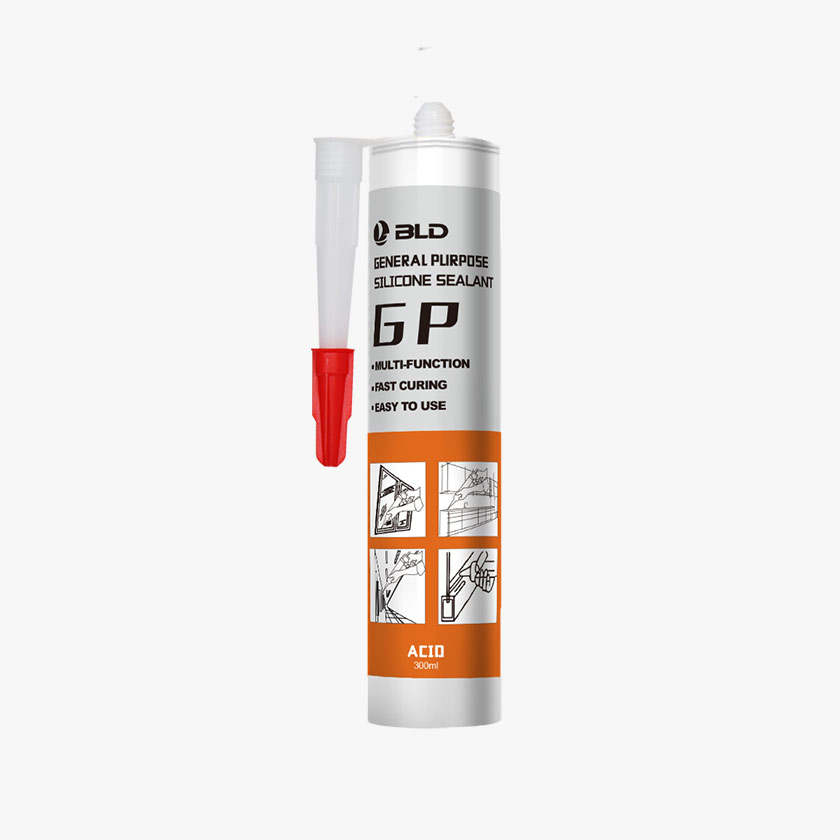
Batch records here are treated as living documents rather than a paperwork formality. Each production run is assigned a unique identifier that follows the material through blending, filling, and finishing. Operators pull retention samples at set intervals and log readings against the batch sheet before anything moves to the next stage.
Before a container is sealed, a separate crew walks the pallets with the packing list and verifies the lot numbers, label placement, and shrink wrap tension. They also check that the container walls are dry and free of odor, because temperature swings during transit can amplify problems that looked minor at the dock.
What makes this worth relying on is the ability to trace a single carton back to the day it was produced. If a customer flags an issue, the batch file points to the exact equipment, shift, and raw material lot involved. That kind of line-of-sight keeps consistency from becoming a slogan and turns it into a repeatable outcome.
Documentation and Compliance Without the Back-and-Forth
Most compliance projects stall at the point where a checklist turns into an actual document. The usual cycle involves requesting a draft, waiting for clarification, spotting a missing clause, then repeating the same loop days later. This approach ties documentation directly to the regulatory source. When a requirement changes, the affected sections update in place, and the people who need to approve them see exactly what changed instead of receiving another full document to re-read.
The practical benefit shows up in review meetings. Instead of debating whether a control description matches a framework, teams can trace each statement back to the originating requirement. That traceability lives inside the document, not in a separate spreadsheet or an audit file that gets lost after the project wraps. For smaller teams, it removes the need to keep a dedicated compliance writer on standby just to interpret feedback.
What stays with the reader is a cleaner handoff. Regulatory evidence, internal policy, and customer-facing documentation no longer drift apart because they are produced from the same structured core. The result is less chasing, fewer version conflicts, and fewer late nights spent reconstructing why a particular wording was chosen in the first place.
Packing That Prevents Split Cartridges During Long Hauls
Long-haul damage rarely comes from a single hard drop. It is the low, constant vibration that works on the cartridge housing until a seam lets go. That is why a simple wrap of bubble film is not enough. Line the cartridges up in a rigid corrugated tray with die-cut slots so each unit stays upright and cannot knock against its neighbor. Add dense foam end caps over the nozzles and the tail end before closing the tray.
Once the tray is inside the master carton, fill every remaining void with firm material that will not settle or shift after hours on a truck. Honeycomb cardboard blocks and expanding foam pouches hold better than loose peanuts because they keep pressure even from all sides. If the cartridges are individually bagged, press out excess air so the plastic cannot slide against itself and create friction wear on the shell.
Before sealing the carton, give it a practical test. Shake it at waist height from different angles and drop it a few inches onto each face. If you hear any movement inside, open it back up and add more bracing. A package that stays quiet at the first test is far more likely to arrive without split cartridges after days of highway vibration and trailer transfers.
A Delivery Schedule That Fits Your Project Timetable
Timelines shift. Weather turns. Permits stall. Your delivery schedule shouldn't be the thing that brings everything to a halt. We map drop-offs to the exact days your crew needs materials on site, so framing, electrical, and finishing phases don't wait on each other. That means less double-handling and fewer rented storage containers sitting idle in the driveway.
If the project sequence changes mid-stream, the schedule moves with you. A quick call or message is enough to push a delivery forward by a few days or hold it back until the site is actually ready. You're not locked into a rigid calendar that made sense six weeks ago but doesn't match what the subcontractors are doing now.
Before the first truck rolls, we walk through the critical path with you and mark key dates—foundation pour, rough-in inspection, drywall finish—so deliveries land in the right order. It's less about fast shipping and more about the right material at the right moment.
Real Support for Application Questions After Delivery
Once a delivery wraps up, the questions that matter tend to surface during everyday use rather than at the handover meeting. Support here means direct access to people who worked on the build, not a queue of unfamiliar voices. If a workflow behaves differently for one user group, a report filters unexpectedly, or a field needs to be repurposed without damaging the data model, you can describe what you are seeing and get an answer with the original configuration in mind.
We keep the back-and-forth lightweight because small confusions can stall a department if they linger. A short note, a screen recording, or a quick description of what you expected to happen is usually enough to trace the behaviour. When a change is needed, we make it, document it in plain language, and tell you what to watch for. If the same question keeps coming up across teams, we turn that pattern into a short walkthrough or adjust the setup so the issue stops reappearing.
You also keep a named contact who knows the history of your implementation. Urgent production blockers get a same-day response with updates until the application is back to normal. Everything else gets a clear timeline that we actually stick to. The point is to leave your team confident enough to use the system fully without feeling that every question requires a support contract negotiation.
FAQ
Most common building materials such as glass, aluminum, painted wood, ceramic, and many plastics bond well after the surface is clean and dry.
We hold buffer stock for fast-moving formulations and coordinate with multiple freight forwarders, so a single bottleneck doesn't stall an entire order.
Cartridges, sausages, and bulk drums are available, and we can adjust carton dimensions to reduce freight costs.
A paintable version can be supplied on request; the standard general-purpose grade is not designed to be overpainted.
We test cured samples under prolonged humidity and provide a neutral-cure option that avoids acetic acid odor and reduces corrosion risk.
Commercial invoice, packing list, bill of lading, certificate of origin, and safety data sheets are standard; specific test reports can be added.
We can send samples for side-by-side testing and adjust the formulation if order volume justifies a custom run.
A trial order can start with one pallet, though container loads give better freight efficiency and unit pricing.
Conclusion
General-purpose silicone sealant is easy to find; a version that arrives intact, on time, and with paperwork in order is harder to come by. This export supply is set up for sealing work that moves across aluminum, glass, coated timber and masonry without forcing crews to switch products mid-job. The material is produced in controlled batches, and the same batch references follow the cartridges all the way into the shipping container, so incoming quality checks and compliance reviews do not stall at the destination. Packing uses fitted trays and end buffers instead of loose cartons, which makes a real difference when boxes are stacked, shuffled and unloaded over long sea and road legs. Split cartridges and bent nozzles become the exception rather than an expected loss.
Delivery planning is treated as part of the product, not an afterthought. Shipments are scheduled against loading windows that reflect the buyer's project dates, helping avoid idle crews waiting on sealant or storage costs from material arriving too early. Once the consignment is in hand, the support does not end at the signed delivery note. Application questions about tooling time, joint depth, adhesion to a particular substrate or storage in high-humidity conditions are answered directly by people who know the formulation. That combination of consistent material, sturdier packing and accessible follow-up keeps a routine sealing package dependable across long supply routes.
Contact Us
Contact Person: Charles
Email: [email protected]
Tel/WhatsApp: +86-0536-3350888
Website: https://www.baolongda.com/