

Known Food Extruder: Transforming Ingredients into Culinary Innovations
2026-05-20
In the world of modern food processing, the extruder stands as a quiet powerhouse, turning simple ingredients into snacks, cereals, and even meat alternatives with remarkable precision. At the heart of this transformation lies innovation, and brands like MINGDE are pushing the boundaries of what's possible. From puffed treats to protein-rich pastas, the journey from raw material to culinary delight is more fascinating than you might expect. Let's explore how these machines are reshaping the way we eat.
Rethinking Staple Foods with Extrusion
Extrusion technology has quietly reshaped the way we produce and perceive everyday staples, from breakfast cereals to plant-based proteins. By forcing raw ingredients through a precisely controlled high-temperature, high-pressure barrel, manufacturers can transform bland flours and starches into textured, ready-to-eat products with remarkable efficiency. This process not only cooks and sterilizes in a single continuous step but also enables the creation of complex shapes and porous structures that mimic traditional foods. The versatility of extrusion means that ancient grains like sorghum, millet, or teff can be turned into modern pasta or snack formats, breathing new life into underutilized crops and broadening dietary options worldwide.
Beyond mere convenience, rethinking staple foods through extrusion opens doors to nutritional customization that conventional processing struggles to achieve. By manipulating screw speed, moisture content, and temperature, producers can preserve heat-sensitive vitamins, incorporate protein isolates, or reduce starch digestibility for a lower glycemic response. This targeted engineering allows for fortified staples that address regional deficiencies—imagine a rice-like extruded grain enriched with iron and folic acid, indistinguishable from the original in taste but far more nourishing. As climate pressures mount, extrusion also presents a low-water, low-waste alternative to traditional milling and cooking, turning raw materials into shelf-stable foods without the heavy footprint. The real breakthrough lies not in replacing tradition, but in augmenting it: turning humble ingredients into vehicles for better nutrition, sustainability, and culinary creativity.
Creating Next-Level Snack Textures
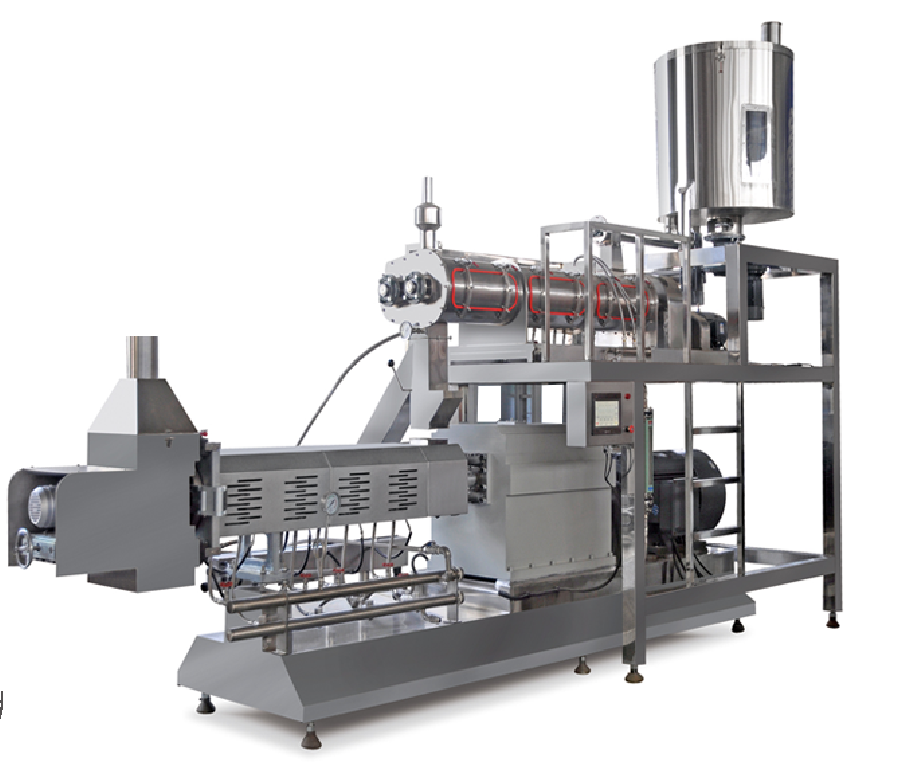
Texture is the unsung hero of snack innovation, transforming a simple bite into an experience that lingers. It’s not just about crunch anymore—think of the way a chip shatters in layers, releasing a wave of seasoning, or how a puff dissolves on the tongue with an almost creamy airiness. The game now is contrast: a brittle outer shell that gives way to a molten center, a crisp coating that hides a chewy core, or a crackling surface that fades into a smooth finish. These multi-stage sensations hijack our senses, making each mouthful feel like a discovery rather than just eating.
To truly push boundaries, manufacturers are borrowing tricks from fine dining—freeze-drying for explosive crispness, controlled aeration for feather-light brittleness, and even manipulating moisture to create textures that shift as you chew. Imagine a snack that starts dry and brittle, then morphs into a gel-like burst of flavor, all in one piece. This isn’t mere novelty; it’s about engineering a narrative arc in a single serving, where texture carries the flavor forward, amplifies it, and leaves a memory that’s as tactile as it is tasty.
The secret often lies in layering at a microscopic level—combining starch matrices, protein isolates, and fibers in ways that fracture uniquely under pressure. Some breakthroughs come from unexpected places: fat crystals that crunch then melt like butter, or air pockets arranged to produce a cracker that snaps with the precision of a twig. The goal isn’t louder, but smarter—textures that surprise, that play against expectation, turning a snack into a moment of wonder. When done right, the crunch or chew becomes the reason people come back, not just the flavor.
Plant-Based Proteins Reimagined
For decades, plant-based proteins were defined by compromise—tolerable textures and flat flavors that reminded you of what was missing. Today’s innovations flip that narrative, using fermentation and precision extraction to unlock textures that rival prime cuts and flavors that stand confidently on their own. It’s not about imitation anymore, but about crafting a new culinary language where plants lead the conversation.
The transformation goes deeper than the plate. Regenerative farming and closed-loop processing are reshaping the supply chain, turning sunflower seeds, mung beans, and even microalgae into nutrient-dense proteins with a fraction of the environmental toll. These ingredients aren’t just alternatives; they’re vehicles for restoring soil health and decentralizing production, making it possible for communities to grow and process their own protein sources independently.
What makes this moment electric is the fusion of tradition and technology. Ancient fermentation practices meet modern bioengineering to create products that are craveable, clean-label, and culturally adaptable. From silky chickpea yogurts to airy pea protein mousses, the category is shedding its supplement-shack identity and stepping into the center of meals with a confidence that has nothing to do with replacing meat—and everything to do with celebrating the plant kingdom’s untapped potential.
Unlocking Novel Ingredient Combinations
Stepping away from the predictable often starts with a simple question: what if? Instead of following established recipes, we might toss together ingredients that rarely share a bowl. A pinch of smoky paprika in a sweet berry compote, or a splash of cold brew concentrate stirred into a spiced lentil stew—these small leaps can uncover layers of flavor no textbook pairing would predict.
The process isn’t about randomness. It depends on understanding how different elements behave under heat, how textures meld or contrast, and how aromas evolve during preparation. Sometimes a small adjustment, like blooming a spice in oil before adding an acidic fruit, bridges worlds that seemed too far apart. Trial and error carves the path, and even the misses teach something worth knowing.
What emerges is more than a recipe; it’s a personalised palate language. The combinations that stick become signatures, not because they follow trends, but because they were built through genuine experimentation. Keeping a notebook of half-formed ideas and happy accidents turns the kitchen into a low-stakes laboratory where the next surprising match is always waiting to be found.
Precision Shaping for Visual Appeal
Achieving a truly polished look isn’t just about the broad strokes—it hinges on the meticulous refinement of every curve and contour. When we talk about precision shaping, we’re referring to a deliberate process where even the subtlest adjustments create a striking visual harmony. It’s the difference between something that merely fits and something that feels tailor-made to captivate the eye.
This approach goes beyond basic alignment, delving into the nuanced interplay of form and proportion. By carefully calibrating each element, you can guide the viewer’s gaze naturally across the whole composition. This kind of controlled visual flow doesn’t happen by accident; it’s the result of intentional, thoughtful sculpting that transforms the ordinary into the exceptional.
In every detail, from the sweep of a line to the balance of negative space, precision shaping injects a sense of purpose. It’s what gives a design that elusive ‘finished’ quality—where nothing is out of place and everything contributes to an effortless sense of appeal. This isn’t just about aesthetics; it’s about crafting an experience that feels cohesive and intuitively satisfying from the very first glance.
Sustainable Processing, Superior Taste
We believe that how we handle our ingredients directly shapes the final flavor on your plate. By employing gentle, low-impact methods—like cold-pressing and slow-drying—we preserve the delicate cellular structure of each fruit and herb, locking in volatile aromatics that high-heat processing destroys. This means the strawberry actually tastes like a sun-warmed berry, not just a shadow of sweetness.
Our commitment to sustainable processing goes beyond energy efficiency; it’s a deliberate choice to honor the ingredient’s natural rhythm. We work in small batches, allowing the full spectrum of flavors to develop fully without artificial accelerants. The result is a depth and clarity you can sense immediately—flavors that feel vibrant and authentic, not reconstructed.
Ultimately, superior taste is the sensory payoff of a respectful process. There’s a quiet complexity in a tea dried with renewable energy or a spice ground in a zero-waste facility: notes that feel layered, finish that lingers without bitterness. It’s proof that sustainability isn’t a constraint but a craft, elevating every bite and sip into an experience worth savoring.
FAQ
A food extruder is essentially a machine that pushes ingredients through a shaped opening under high pressure and often heat. Unlike a blender or mixer, it doesn't just combine or chop—it cooks, shears, and shapes the material all at once, creating textures that are impossible to achieve by hand.
Ingredients are fed into a barrel where a rotating screw pushes them forward. As they travel, they're subjected to intense pressure, heat, and mechanical shear. This can gelatinize starches, denature proteins, and align fibers. When the mix finally exits through the die, the sudden pressure drop causes expansion, creating everything from crispy puffs to dense, meat-like strands.
Extrusion is behind many things you might not expect: high-moisture meat analogues with realistic muscle fibers, breakfast cereals in all shapes, pet food kibbles, textured vegetable protein, and even functional foods like high-fiber crisps. Some labs are using it to create novel gel-like textures for culinary experiments.
It opens up a world of textures that can't be replicated with traditional methods, like crispy yet airy snacks or chewy plant-based meats. The process is efficient, reduces waste, and allows for precise control over nutritional profiles. For manufacturers, it means scalable production; for chefs, it means a new toolkit for creativity.
Definitely not factory-exclusive. Tabletop extruders are available for artisan pasta, snack production, and even experimental cooking. Home enthusiasts can use them for extruded cookies, churros, or custom-shaped crackers. Some high-end restaurants even incorporate small extruders to craft one-of-a-kind dishes.
The realistic fibrous texture of modern plant-based meats, like those in Impossible and Beyond products, relies on high-moisture extrusion. Without it, achieving that kind of bite and mouthfeel from vegetable proteins would be nearly impossible. Extrusion also makes 3D food printing viable for intricate edible designs.
Conclusion
The known food extruder has become a cornerstone of culinary innovation, reshaping how we develop staple foods with a blend of engineering finesse and creative flair. By subjecting ingredients to controlled heat, pressure, and shear, this process effortlessly transforms humble grains, legumes, and root vegetables into versatile, nutrient-dense formats—think quick-cooking rice analogs, protein-enriched pastas, and breakfast cereals that retain more of their natural goodness. It’s equally transformative for snacks, where precise manipulation of moisture and temperature generates aerated puffs with ethereal crunch, layered crisps that fracture in delightful ways, and chewy-crisp hybrids that defy conventional categories. The technology also breathes new life into plant-based proteins, coaxing soy, pea, and fava bean isolates into fibrous structures that convincingly replicate the mouthfeel of meat, making flexitarian and vegan choices far more craveable.
Beyond texture, the extruder unlocks a playground of ingredient synergies, enabling the marriage of unlikely partners—such as quinoa and spirulina, or chickpea and cocoa—while maintaining product integrity and flavor balance. Its interchangeable shaping dies carve out intricate details, from delicate shells and ribbons to whimsical 3D geometries, lending visual drama to everything from restaurant plates to retail shelves. This visual appeal pairs seamlessly with the extruder’s sustainability edge: it typically demands less water, energy, and time than traditional cooking methods, trims down waste by repurposing co-products, and shortens supply chains. The result is a process that marries superior taste, textural artistry, and environmental mindfulness—turning raw materials into forward-thinking foods that captivate both the senses and the conscience.
Contact Us
Contact Person: LILY SUN
Email: [email protected]
Tel/WhatsApp: 0086-13969103791
Website: https://www.snackfoodmachinery.com/