

LED Signal Light Bulb Sourcing: Key Questions to Ask Before Choosing a Supplier
2026-08-30
Sourcing LED signal light bulbs can feel straightforward—until one bad batch leaves your fleet dark. Asking the right questions upfront is the only way to avoid suppliers who cut corners on heat dissipation, lens clarity, or voltage tolerance. That's exactly why we built LUXFIGHTER to hold up under scrutiny. Before you settle on a vendor, run through these non-negotiable checks.
Can They Back Up Their Claims With Real-World Vibration and Weather Testing?
Many manufacturers boast about ruggedness, but the real question is whether those claims survive contact with actual field conditions. Lab simulations can paint a rosy picture, yet they rarely capture the chaotic combination of constant vibration, temperature swings, and driving rain that equipment faces on a daily basis. Without genuine long-term exposure to these elements, even the most confident marketing language starts to feel hollow.
A handful of firms have started publishing detailed test logs from their own outdoor proving grounds, showing units bolted to shake tables for hundreds of hours and left outside through entire seasons. That kind of transparency is rare, but it separates serious engineering from wishful thinking. When a company opens up about cracked housings discovered mid-test or antennas that failed in freezing rain, it builds a very different type of trust.
Still, plenty of products claim "weatherproof" without a single documented field trial. Smart buyers are learning to ask for the raw data: vibration frequency sweeps, salt fog exposure durations, thermal cycling counts. If the manufacturer hesitates or falls back on generic lab certificates, that silence often answers the question more honestly than any brochure ever could.
What's Their Actual Policy When a Shipment Shows Up With Dead LEDs?
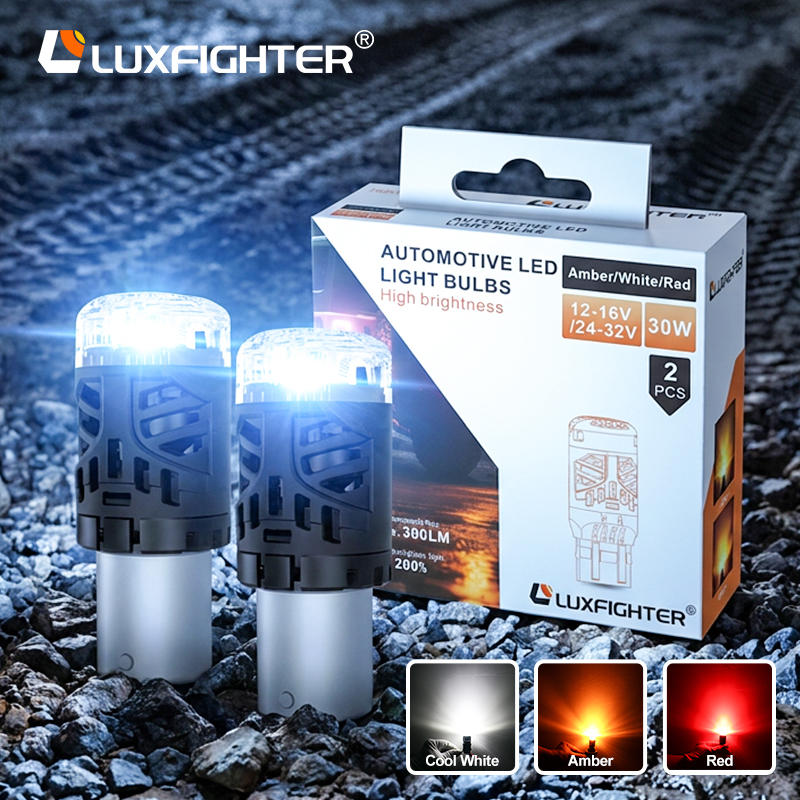
You'd think a defective batch would trigger an immediate refund, but this vendor's real playbook is quieter. First, they ask for photos, then a video of the lights not working, then a serial number from the driver you already tossed. That delay isn't accidental — it's designed to wear you down until you accept store credit minus a 20% restocking fee.
If you push past the first layer, you'll hit a gray zone. Their official terms state LEDs are covered for 30 days, but only if the fixture was installed by a licensed electrician and you kept the original packaging. Practically, that means most warranty requests die on the paperwork. Replacement parts ship ground from a warehouse three states away, no expedited option offered.
The tell is in how they handle the return label. Some customers get a prepaid label immediately; others are asked to pay return shipping and wait for a "courtesy review." That inconsistency mirrors their internal policy: honor the easy refunds early in the quarter, stall the expensive ones near month-end. Dead LEDs are a known defect, but the policy shifts with inventory pressure, not the actual failure rate.
Do Their Lead Times Survive Contact With Your Production Schedule?
The quoted lead time rarely meets the production schedule without friction. Suppliers often calculate their turnaround from the moment an order is confirmed, while your schedule starts counting from the minute a line slot is empty. Those two clocks are not synchronized, and the gap shows up as idle operators, half-assembled units, or rushed freight charges.
A realistic test is to take their promised delivery date and drop it into a week where your production already has changeovers, maintenance windows, and material staging dependencies. If the component arrives on a Tuesday but your kitting team only builds kits on Monday and Thursday, that lead time effectively misses the window by three days. The supplier didn't lie; their number just never touched your actual constraints.
Before you lock in a purchase order, ask for a lead time that includes your receiving inspection hold, your buffer for supplier delays, and the time it takes to move parts from dock to line. If they can't give you a date that survives those steps, you're not looking at a lead time—you're looking at a wish.
Will They Send You the Full Compliance Certificates Before You Even Ask?
A supplier that hands over full compliance certificates without being asked isn't just being polite—they're showing you how their operation runs when no one is watching. That small, unprompted gesture tells you they've already done the homework on materials, testing, and safety standards, and they're not hiding any gaps.
In practice, you'll notice the difference immediately. Some vendors wait until you chase them for a certificate, then send a partial PDF or a scanned document that's three years old. Others include the complete set—current lab reports, REACH/RoHS declarations, material traceability docs—right alongside the sample or quote. That's the kind of proactive transparency that saves you from unpleasant surprises later.
Ask yourself: if they can't volunteer the paperwork upfront, what else are they waiting to be asked about? The best partners treat compliance as a baseline, not a bargaining chip.
Is Their Bulk Pricing Actually Transparent, or Full of Surprise Fees?
The first thing you'll notice is how clean the per-unit breakdown looks on their pricing page. Tiered discounts, clear volume brackets, maybe even a calculator that spits out an instant quote. It feels reassuring until you realize that the final invoice rarely matches that number.
What gets added later? Freight, handling, pallet fees, a "small order" surcharge if you don't hit some arbitrary threshold, and occasionally a restocking fee that nobody mentioned upfront. These aren't clearly listed during checkout; they appear once you're already committed or after the order ships. Some customers only find out about them when they see the credit card charge or receive an email with a revised total.
To be fair, not every hidden charge is deliberate. Some fees are standard in the industry and just poorly communicated. But when the gap between advertised price and actual cost is consistently wide, it's hard to call that transparency. If you're comparing bulk suppliers, don't just rely on the published tier table—ask for a complete landed cost breakdown before you place a large order.
Can They Match a Custom Socket or Voltage Without Dragging It Out for Months?
Most suppliers treat any non-standard socket or voltage request like a bespoke engineering project—new tooling, fresh certifications, endless back-and-forth. That's why a simple 24V DC barrel jack or an unusual pin layout can sit in limbo for three months while your production line waits.
The teams that actually move fast are the ones with pre-designed adapter modules and a library of already-tested voltage rails. Instead of starting from a blank schematic, they pull a proven board, swap the connector footprint, and run a quick verification pass. What used to take 12 weeks drops to under two, sometimes even a few days if the current draw is within an existing envelope.
The real tell is whether their quote process begins with questions like “what's your exact mating connector part number?” or vague promises of “custom solutions.” The first group already has the answer. The second group is about to learn on your dime.
FAQ
Insist on seeing photometric and lumen maintenance data from an accredited lab. If a supplier stalls or offers only in-house numbers, treat that as a red flag.
Look for transparent explanations about thermal management, driver design, and failure rates at high ambient temperatures. A trustworthy supplier will share field data or accelerated life test results without being prompted.
Ask about compatibility with NEMA TS2, ITE, or other regional standards. The supplier should confirm whether the bulbs work with existing load switches or require external resistors to avoid flicker or false conflict monitor triggers.
Customization matters when you're retrofitting older intersections. A good supplier will ask for your specs upfront and provide samples for fitment testing, not just quote a generic part number.
Request their binning process and tolerance limits for dominant wavelength. LEDs from different bins can shift from red to red-orange, which may fail inspection or cause confusion on the road.
Don't settle for vague promises. A clear answer includes a defined defect threshold, a return shipping policy, and a realistic timeline for replacements. If they cannot provide this in writing, keep looking.
A reputable supplier should welcome a factory audit or at least offer a video walkthrough of their production line, testing equipment, and incoming material inspection. Resistance here often signals undocumented subcontracting.
Conclusion
Sourcing LED signal light bulbs demands more than a quick glance at product photos or spec sheets. Suppliers love to claim ruggedness, but you need hard evidence: have they run real-world vibration and weather tests, or are they recycling lab data from a decade ago? When a shipment arrives with dead LEDs, what actually happens next? A vague promise to look into it is not a policy. Ask for a written replacement or credit procedure, including who covers return shipping. Lead times are another sticking point: a quoted six weeks can easily become twelve once your production schedule is on the line. Probe how they handle delays and whether they offer buffer stock or partial shipments.
Compliance certificates should arrive before you ask, not after three follow-up emails. If they hesitate on E-mark, CE, or specific transportation certifications, that is a red flag. Bulk pricing needs a line-by-line breakdown: packing, tariffs, voltage customization surcharges, and minimum order penalties can quietly inflate the unit cost. Finally, custom sockets or unusual voltages should not trigger a six-month engineering saga. A supplier that cannot adapt quickly to your specs will eventually cost you more in downtime than you save on the initial quote. These questions separate dependable partners from flashy catalogs.
Contact Us
Contact Person: Gavin Chen
Email: [email protected]
Tel/WhatsApp: (+86)756-6831079
Website: https://www.luxfighter.com/