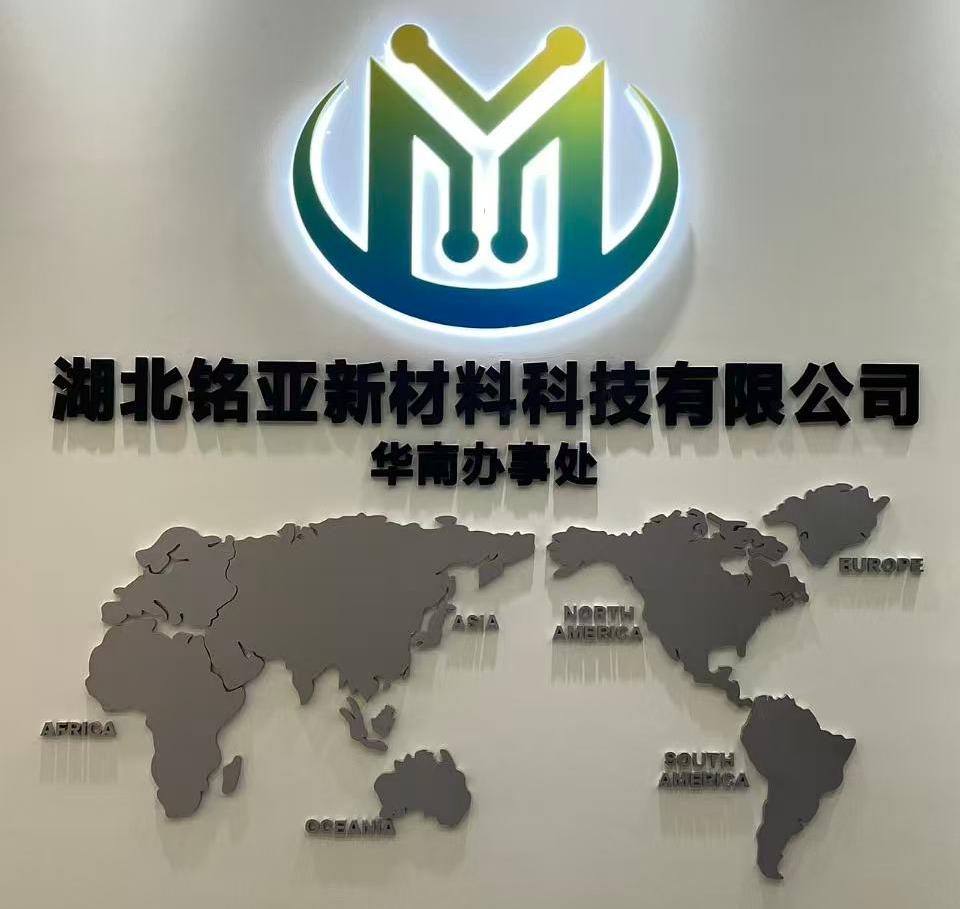

New Type Cosmetic Raw Materials Factory Powers Next-Gen Beauty Innovations
2026-09-21
Behind every breakthrough beauty formula there is a raw material partner willing to rethink the basics. At MingYa, that means replacing tired ingredient conventions with next-generation cosmetic raw materials engineered for performance, sustainability, and speed to market. From bio-fermented actives to texture-transforming polymers, this new type of factory is quietly powering the products set to define tomorrow's shelves. Here's what makes it different.
Fermentation and Biotech Are Quietly Rewriting the Rules of Cosmetic Ingredients
The quiet power of fermentation isn't just about preserving ingredients longer. It's about turning ordinary botanicals into something the skin can actually use. Take rice water, a folk remedy for centuries. When fermented with specific lactobacillus strains, its starches and proteins get broken down into smaller peptides, amino acids, and organic acids. These molecules slip past the stratum corneum more easily, delivering hydration and brightening effects that raw rice water simply can't match. The same logic applies to seaweeds, roots, and even fruit pulps. Microbes act as microscopic tailoring shops, trimming molecular weight and unlocking compounds that would otherwise remain trapped in plant cell walls.
Biotech takes this a step further by removing the guesswork. Instead of relying on seasonal harvests or wild variability, manufacturers now use yeasts and bacteria as programmable factories. They can produce human-identical collagen fragments, squalane, or even enzymes that mimic the skin's own repair signals. These aren't rough extracts with fluctuating potency. They're exact molecular copies, batch after batch, without the need to farm animals or strip rare plants from fragile ecosystems. The result is a new class of ingredients that behave more like pharmaceuticals than traditional cosmetics.
What's striking is how little of this shows up on the front label. A serum might list 'bifida ferment lysate' or 'sh-polypeptide-1' and sound like lab jargon, but behind those names is a deliberate shift away from the old rules of sourcing and stability. Fermentation and biotech allow formulators to design molecules for specific receptor sites, minimize irritation, and reduce the concentration needed for a visible effect. It's not a trend that will fade with the next packaging refresh. It's a structural change in how cosmetic ingredients are conceived, built, and tested.
How a New Raw Materials Plant Is Turning Unlikely Sources into Hero Actives
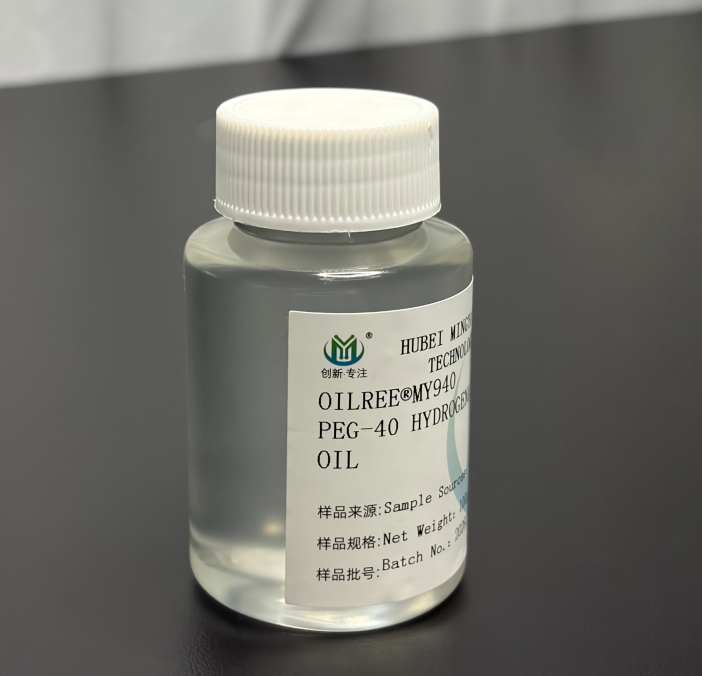
The loading dock at the new raw materials plant rarely sees a pristine ingredient arrive. Instead, it takes in sacks of spent coffee cherry pulp, olive leaves discarded after pressing, and the fibrous hulls of rice that would otherwise be burned. These are the starting points for a different kind of sourcing strategy—one that doesn't begin with a cultivated crop for cosmetics but with what's left over after food production has had its turn.
Inside, the transformation leans on a combination of supercritical CO₂ extraction and enzyme-assisted breakdown. One line might run citrus peels through a low-temperature bath to pull out concentrated flavonoids; another uses fermentation to unlock ferulic acid from rice bran. The goal isn't just to recover a compound, but to preserve the fragile antioxidant and anti-inflammatory profile that conventional high-heat methods would destroy. Each batch is pushed through small-scale reactors, so the team can adjust pressure, pH, and time based on the raw material's moisture and oil content.
What emerges are actives with surprisingly robust clinical backing. A squalane derived from olive pomace shows higher oxidative stability than its shark- or sugarcane-derived counterparts. A caffeine extract from coffee fruit pulp delivers a brightening effect at a lower dose than synthetic caffeine. The plant's chemists are open about the fact that these unlikely sources sometimes behave unpredictably—but that variability, not uniformity, has become their edge.
The Push to Replace Legacy Ingredients Without Sacrificing Performance
For years, formulators leaned on a familiar toolkit of legacy ingredients—think mineral oil, parabens, or certain synthetic emulsifiers—because they delivered consistent results at a predictable cost. But shifting consumer expectations and tightening regulatory landscapes are now forcing a rethink. The challenge isn't simply swapping one ingredient for another; it's about matching the tactile feel, stability, and shelf life that legacy materials provided, while introducing alternatives that meet cleaner-label or sustainability goals. This push isn't driven by marketing buzz alone—it's a practical response to supply chain volatility and the growing demand for traceable, plant-derived, and biodegradable options.
What makes this transition difficult is that performance rarely comes from a single ingredient. Legacy systems often relied on synergistic blends where each component compensated for another's weakness. Replacing one piece without upsetting the whole requires re-evaluating the entire formulation matrix. For example, a natural rheology modifier might offer the same viscosity profile as a synthetic polymer, but it could interact differently with surfactants or preservatives, leading to phase separation or microbial instability. Successful reformulation demands iterative testing under real-world conditions—temperature cycling, UV exposure, and long-term storage—not just bench-top comparisons.
Forward-thinking labs are now using advanced screening methods to close the performance gap faster. Instead of trial-and-error, they map the functional fingerprints of legacy ingredients—emulsion droplet size, foam density, skin feel—and then search for natural or upcycled candidates that reproduce those profiles. This data-driven approach cuts development time and reduces the risk of launching a product that feels like a compromise. The end goal is not merely to remove a controversial name from the label, but to deliver a formulation that performs as well as or better than the original, without asking consumers to accept a drop in quality.
Inside the Production Line Where Sustainability and Efficacy Stop Competing
Walk through most modern facilities and you'll notice a quiet shift: the old assumption that greener processes automatically mean weaker performance has started to fall apart. Engineers are now rethinking solvent recovery, heat exchange, and raw material inputs at the machine level, not as afterthoughts tacked onto the final product. A line that once burned through water for rinsing might now use closed-loop filtration that returns nearly all of it to the process—without slowing down cycle times or altering the active ingredient's stability.
This kind of integration shows up in unexpected places. On one pharmaceutical packaging line, switching to mono-material blister films cut waste weight by a third while improving seal integrity, because the new material's thermal behavior matched the existing tooling more precisely. On a cosmetics filling floor, replacing a heated mixing step with high-shear homogenization reduced energy use per batch and actually increased emulsion uniformity. These aren't compromises; they're cases where the constraints of sustainability forced a closer look at old habits, revealing that the 'efficient' version was never as finely tuned as it could be.
The real difference comes from measuring both outcomes on the same dashboard. When yield, defect rate, energy per unit, and solvent consumption sit side by side, the trade-off logic collapses. Teams start asking different questions—not “Can we afford to be greener?” but “What else is this line wasting that we haven't noticed yet?” That mindset, rather than any single technology, is what makes sustainability and efficacy stop competing.
Why Formulators Are Ditching Off-the-Shelf Ingredients for Bespoke Solutions
The shift away from catalog ingredients isn't just about chasing novelty. Many formulators have hit hard limits with standard materials—viscosity curves that don't hold under shear, emulsifiers that fail in high-electrolyte systems, or preservative boosters that clash with pH targets. When a formula needs to survive a specific manufacturing line or end-use environment, the "close enough" option often costs more in rework than a custom blend.
Bespoke solutions are also a way to lock in a competitive edge without relying on supplier-controlled raw materials. If a competitor can order the same surfactant or rheology modifier from a distributor, the performance difference between products shrinks. A tailored ingredient—designed around a formulator's exact compatibility windows, actives, or packaging—becomes harder to replicate and easier to defend.
The economics have changed too. Smaller minimum order quantities and faster synthesis routes mean custom ingredients no longer require a multinational's R&D budget. Mid-sized labs can now commission a modified ester, a grafted polymer, or a hybrid silicone with just enough structural difference to solve a specific failure, without tying up capital in stock they don't need.
The Next Wave of Beauty Innovation Starts with a Different Kind of Factory
For decades, the beauty supply chain has run on a familiar logic: massive batches, long lead times, and a rigid division between what a brand dreams up and what a contract manufacturer can actually pour into a bottle. That model worked when trends moved slowly and shelf space was the only battleground. But the next wave of innovation won't come from tweaking formulas inside the same old concrete boxes. It will come from factories that behave less like production lines and more like creative studios—spaces where chemists sit next to designers, where small runs are financially sane, and where a formula can shift from lab sample to finished product in weeks, not seasons.
What makes these new facilities different isn't just automation or clean energy—it's their posture toward risk. A traditional factory is optimized to avoid mistakes, which means every new texture or pigment has to clear endless hurdles before it earns a place on the line. The emerging breed of beauty factory is built for iteration. It holds inventory of raw materials that are chosen for their biodegradability and traceability, not just their cost per kilo. It invests in modular equipment that can switch between a lipstick bullet and a refillable serum cartridge without a week of changeover. And it treats packaging not as an afterthought but as part of the formula itself—designing refill systems and mono-material components that actually get returned, because the factory owns the reverse logistics, not just the filling.
Perhaps the quietest shift is in how these factories talk to the brands they serve. Instead of a one-way handoff of a spec sheet, you get a shared workspace where a founder can watch a cold-process emulsion come together, adjust the viscosity on the spot, and leave with a pilot batch the same afternoon. That intimacy changes the economics of creativity: a brand no longer needs to commit to 50,000 units before knowing if a scent or a shade will resonate. It can test with 2,000, gather real feedback, and iterate without writing off a warehouse full of dead stock. This is the kind of factory that doesn't just manufacture beauty—it accelerates the learning loop that beauty has always needed but rarely had the infrastructure to support.
FAQ
The facility specializes in advanced cosmetic ingredients—think bio-fermented actives, encapsulated vitamins, and plant-derived peptides that go beyond standard emollients and humectants.
By supplying materials that enable formulas with longer-lasting effects, better skin compatibility, and lower environmental impact, brands can move past conventional formulations.
It operates with a dedicated R&D wing that prototypes new molecules in-house and runs small-batch pilot production before scaling, cutting the time from concept to market.
One example is a cold-process emulsifier that allows oil-in-water creams to be made without heating, preserving sensitive botanical extracts and reducing energy use.
Many are designed to be readily biodegradable and free from controversial preservatives. The factory provides full traceability from source to final ingredient.
Green chemistry principles guide the production—solvent-free extraction, water recycling, and renewable energy are part of the standard workflow rather than add-ons.
Brands gain access to exclusive ingredient blends and custom development, so their serums or masks don't smell, feel, or perform like everything else on the shelf.
Expect more microbiome-friendly preservatives, solid waterless formats, and upcycled agricultural byproducts to become mainstream as these raw materials hit wider use.
Conclusion
A quiet shift is taking place inside a new kind of cosmetic raw materials factory, where fermentation and biotech are no longer side experiments but the main engine of formulation. Instead of relying on familiar petrochemical or plant extracts, this facility turns agricultural byproducts, microbial cultures, and other unlikely sources into high-performance actives. The result is a growing library of ingredients that do not simply imitate legacy molecules—they outperform them in stability, bioavailability, and skin compatibility. Formulators working with these materials find they can drop controversial preservatives, synthetic surfactants, and other tired staples without losing the sensory payoff or visible results that brands demand, because the new actives are built to deliver targeted benefits from the start.
What sets this factory apart is the way sustainability and efficacy are engineered into the same production line, not treated as a trade-off. Closed-loop fermentation, water recycling, and solvent-free downstream processing cut waste while preserving the potency of each batch. Meanwhile, off-the-shelf ingredients are increasingly replaced by bespoke solutions—custom molecules grown for a specific brand or product need, with purity and function dialed in from the start. That shift changes the relationship between supplier and lab: instead of picking from a catalog, formulators co-develop raw materials that solve a precise texture, delivery, or efficacy challenge. The next wave of beauty innovation, in other words, starts not with a finished formula but with the factory that can grow its building blocks differently—and that difference is already reshaping what a modern cosmetic ingredient can be.
Contact Us
Contact Person: Miss Pei
Email: [email protected]
Tel/WhatsApp: 8618620409116
Website: https://www.mingyachemicals.com/