
ODM Non-Woven Geotextile Benefits for Drainage, Filtration, and Soil Stability
2026-11-24
Water has a way of finding the weak point before anyone else does. For drainage, filtration, and soil stability, the difference often comes down to a single layer of material most people never see. ODM non-woven geotextile quietly handles that job—and for teams that can't afford guesswork, JInseed Geosynthetics Solution has become a name worth knowing.
Why Water Moves Quickly Through a Tightly Bonded Fabric
Capillary action in a tightly bonded fabric is often misunderstood as a weak effect, but the narrow gaps between fibers actually create a powerful pulling force. When water meets these tiny channels, the surface tension at the liquid-air interface curves sharply, and this curvature drives the liquid forward without requiring any external pressure. The tighter the weave, the smaller the effective pore radius, and the faster the initial wetting front can travel along the fiber bundles.
What makes the movement feel almost instant is the continuous network of interconnected threads. Instead of water having to overcome large open spaces, it follows a pre-wired path where each fiber acts like a guide rail. This is why a drop placed on one edge of a dense technical fabric can spread several centimeters within seconds, even against gravity, as long as the fabric remains slightly tilted or held horizontally. The bond between fibers matters more than the material itself for this short-range speed.
However, the same tight structure that accelerates early wetting also limits how much water can be absorbed overall. Once the narrow channels fill, the driving force drops off quickly because the meniscus flattens. So the fabric shows a burst of fast transport followed by a plateau, which is useful for moisture distribution in activewear but less helpful for long-term storage. Understanding that trade-off explains why some tightly woven fabrics feel dry on the outside while still moving sweat away from the skin rapidly.
Silt Stays Behind While the Drainage Layer Keeps Working
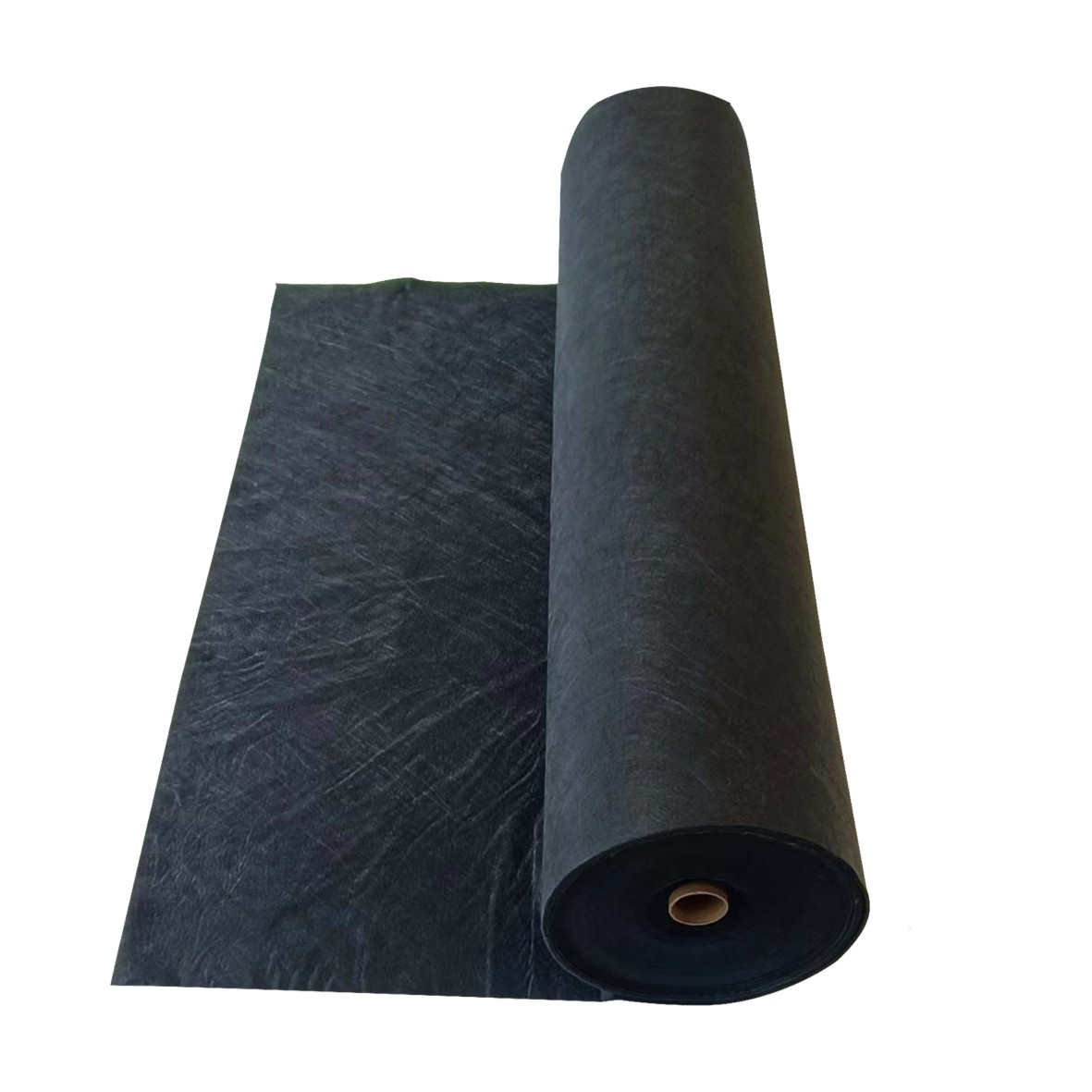
Fine particles settle into the upper part of the drainage profile, but the lower section continues to handle water without much interruption. A well-graded layer holds enough open void space to let moisture move through, even after the first load of silt has worked its way into the surface pores.
During wet weather, repeated pressure pushes sediment deeper into the structure. The drainage layer keeps those fines from sealing the entire system, so the lower channels stay active while the silt remains trapped above. That means discharge keeps moving with less maintenance and no need to strip the surface after every storm.
The Flexible Layer That Holds Slopes in Place
A flexible facing layer holds a slope by conforming to it, not by forming a rigid shell. When the ground settles, heaves, or shifts slightly, the material gives enough to spread that movement across a wide area. Cracks that would open in a hard shotcrete or concrete face simply don’t have the same starting point.
The layer is usually anchored with soil nails, mesh, or plates and pressed against the excavated face. Instead of concentrating load around a few stiff connections, it transfers tension outward from each anchor and keeps loosened material from slumping between points. Because it follows the existing cut profile closely, installation skips much of the precise trimming that harder facings demand.
After placement, the facing works with drainage rather than against it. Water bleeds through or behind the layer instead of building pressure, while the surface stays intact enough to hold seeded soil or let existing root systems recover. That leaves the slope stable in a quieter way: bound at the surface, but still able to move without tearing.
Heavy Rain and the Case for Non-Woven Separation
Heavy rain does more than flood the surface; it drives water into the profile at joints, edge gaps, and pervious zones. Once saturated, the underlying fines start to move upward into the stone layer, slowly choking the voids that were meant to handle the next downpour. This is often why a well-graded base looks stable in dry months and then softens after repeated storms.
A non-woven separation fabric interrupts that cycle. It lets water drain through while keeping the subgrade soil on its own side, so the stone stays open and free-draining instead of turning into a mixed, muddy layer. The fabric also cushions the contact between two different materials, reducing point loading and the kind of rutting that heavy rain tends to accelerate.
Over time, the difference becomes visible. Sections built without separation may need stone replenishment, regrading, or patching after a few wet seasons. Sections with the non-woven layer typically hold their grade and drain sooner after each storm. That kind of reliability under repeated heavy rain is precisely why the separation layer earns its place in the cross-section.
What Custom ODM Fabric Brings to Weak Subgrade Soils
Soft subgrades rarely fail in one way, but a common trigger is fine soil pushing up into the aggregate layer and weakening the entire section. A custom ODM fabric interrupts that process early by keeping the subgrade and the stone base separate. When that mixing is stopped, the pavement or slab holds its designed thickness longer, and the support lost to contaminated stone does not show up as premature rutting or cracking.
The word custom matters here because not every weak soil demands the same fabric. A site with silty clay needs different elongation, permeability, and tensile strength than one with loose sand or high groundwater. Once those properties are matched to the soil, the fabric behaves like a tension membrane under load, spreading stress wider and slowing the buildup of pore pressure. That helps reduce localized settlement and pumping, especially where moisture cycles are aggressive.
For field crews, the practical difference shows up as fewer soft spots found during proof rolling and less aggregate lost into the muck. For owners, it means the finished surface behaves closer to the design intent instead of reacting to every wet season. The fabric does not make a bad subgrade strong by itself, but it keeps the layered system working together longer, which is often what weak ground needs most.
Keeping Stone and Soil Apart for Long-Term Strength
When stone sits directly against soil, trouble starts quietly. Rain and surface water push silt and clay into the open spaces between the stones, clogging what should be drainage channels. The base gradually loses its ability to shed water, and stone pieces begin to shift, tilt, or settle unevenly as the ground underneath softens. In colder months, trapped moisture amplifies the damage through repeated freezing and thawing.
A reliable separation layer changes that behavior. Heavy-duty geotextile fabric lets water pass downward while holding fine soil particles back, so the stone layer keeps its drainage capacity. Beneath that, a compacted angular gravel base gives the stone something stable to rest on and interrupts capillary action, preventing groundwater from wicking up into the surface. Overlapping the fabric at seams and running it up the edges of the excavation makes the barrier far more effective than simply laying it flat.
The real payoff comes years later. Without soil and stone mixing, the top layer stays cleaner, the base remains firm, and repairs become rare rather than routine. Periodic checks at exposed edges and low spots can catch early signs of sediment intrusion before it works its way under the rest of the surface. Long-term strength here is less about the stone itself and more about keeping the layers from blurring together.
FAQ
It creates a stable separation between the soil and the drainage aggregate, so fine particles stay put while water moves through freely. Over time, that prevents the gravel from sinking into soft ground and keeps the drainage path open instead of turning into a muddy clog.
The needle-punched structure holds back silt and sand but still lets water pass at a steady rate. Because the fibers are arranged in a random web rather than a tight weave, the fabric is less likely to blind off quickly, which helps it maintain performance across wet and dry cycles.
Yes, mainly by separating layers and reducing the movement of fine particles under surface flow. It does not replace structural reinforcement, but it gives grass roots and fill material a more stable base to grip, which cuts down on rills and shallow erosion after heavy rain.
It is generally suited for separation and filtration under aggregate, but the required strength depends on traffic loads and subgrade conditions. Heavier grades handle construction traffic and sharp stone, while lighter grades are better for footpaths, parking areas, and drainage trenches.
In normal buried conditions away from direct sunlight, polypropylene or polyester non-woven geotextiles remain functional for decades. The main threats are prolonged UV exposure during storage, tears from sharp objects, and chemical environments, so handling and placement matter more than the fabric wearing out on its own.
Leaving wrinkles, overlapping seams too narrowly, or stretching the fabric tight over uneven ground can all cause weak spots. A common issue is also backfilling with sharp rubble too quickly; a little care with the first lift of aggregate prevents punctures and keeps the separation layer intact.
It helps by keeping drainage aggregate free of soil, which lets water reach the weep holes or outlet pipes instead of building pressure. The fabric itself is not a waterproof barrier, so it should be paired with proper drainage fill and a clear outlet path.
Woven fabrics generally offer higher tensile strength at lower elongation, so they can be a better fit where the main goal is reinforcement under heavy loads or across weak subgrades. Non-woven fabric tends to be stronger in drainage and filtration applications where water flow and soil retention matter more than tensile support.
Conclusion
The practical value of an ODM non-woven geotextile becomes clearest when water and fine soil meet under load. The fibers are bonded closely enough to let rainfall or groundwater move through quickly, yet the fabric still traps silt before it reaches drainage stone. That filtering action keeps a drainage layer from gradually filling with sediment and losing its capacity. On slopes and weak subgrades, the same sheet behaves as a flexible separator that wraps around irregularities, holds loose particles in place, and spreads localized stress instead of relying on stiffness. This combination of fast drainage and reliable retention is why the material earns its place in a properly built section.
Heavy rain exposes the difference between a true separation layer and a fabric that merely covers the ground. The non-woven structure stops clean aggregate from being pressed into soft, wet subgrade while still letting excess water escape sideways and downward. Because ODM production allows the weight, pore size, and roll width to be set around actual soil conditions and expected loads, the fabric can be matched to the site instead of forcing a generic product into the job. Over time, that keeps stone and soil from migrating into each other, protecting the section's long-term strength and reducing the settlement and maintenance problems that follow early mixing before they can take hold.
Contact Us
Contact Person: Jerry Qiu
Email: [email protected]
Tel/WhatsApp: +65 84265294
Website: https://jinseed-geo.com