

OEM Gas Station Machine: A Comprehensive Guide for Business Owners
2026-10-10
Most guides start with definitions. This one starts with a question: how much revenue are you losing to a dispenser that wasn't built for your exact site conditions? OEM gas station machines go far beyond a badge on a pump. They determine fuel accuracy, uptime, integration with your POS, and the kind of support you get when something inevitably breaks at 2 a.m. Whether you're retrofitting an old station or planning a new build, understanding OEM choices is where profitability begins. And when it comes to dependable, no-nonsense equipment, BEILIN has earned a seat at the table.
Vetting OEM Partners Beyond the Sales Pitch
A polished presentation and a confident sales team can make any OEM look like the perfect fit. But real compatibility reveals itself in the quieter details: how they handle a delayed shipment, who actually answers your engineering questions at 2 a.m., and whether their documentation reflects the product you received rather than the one they promised. Ask to speak with their second-tier customers, not just the marquee names. Dig into their change-management process. The goal is to find a partner whose operational habits align with your own standards, not just one who talks a good game.
Look beyond the demo unit and the glossy spec sheet. Request a full bill of materials for the exact configuration you would order, then compare it against the sample you tested. Check how often they revise firmware and whether those revisions introduce new bugs or actually fix known ones. A partner worth trusting will have a transparent path for escalation when things go wrong, and they will show you their failure logs without being asked. If they only share success stories, assume the failures are being hidden.
Finally, spend time with the people who would actually build and support your product, not just the executives who close the deal. Ask the line engineers what they would change about the current design. Ask the support team which recurring issues frustrate customers most. Those conversations reveal more about long-term reliability than any slide deck. A strong OEM relationship is built on shared expectations for quality, responsiveness, and honest communication — not on promises made during a sales visit.
Inside the Dispenser Cabinet That Most Buyers Ignore
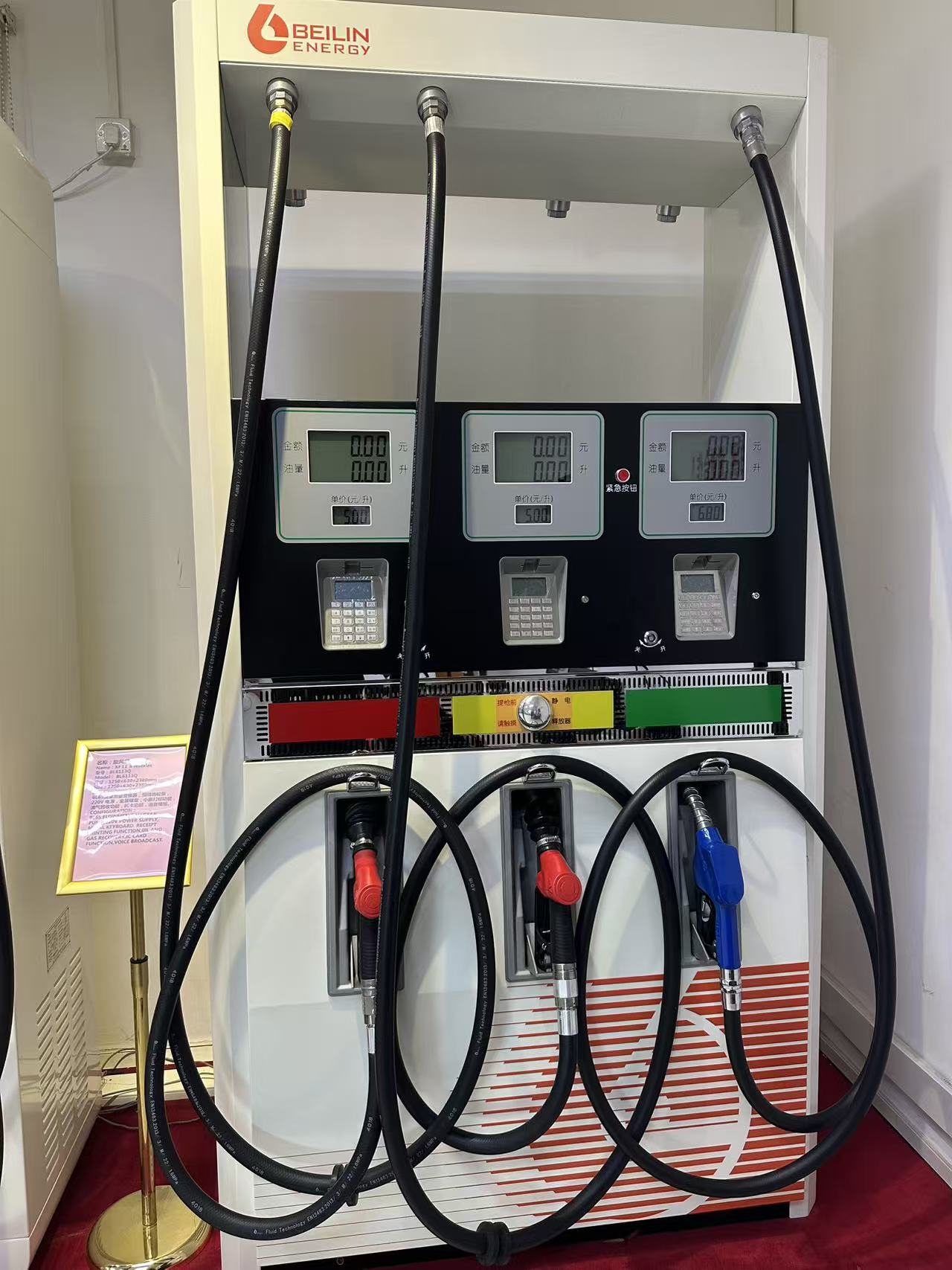
Most shoppers judge a dispenser cabinet by its front finish and control panel, but the real story is what’s behind the door. Peer inside and you’ll see whether the manufacturer cared about the parts you rarely inspect. Thin plastic brackets, exposed screw heads, and loose tubing are the usual giveaways. A well-made cabinet, by contrast, hides a reinforced internal frame, neatly routed lines, and gaskets that actually seat against the edges.
The drain tray or catch basin often tells more than anything else. In many units, it’s a flimsy afterthought—too shallow, hard to remove, and prone to warping after a few cleanings. Better designs use a sloped interior that channels spills toward a single low point, with a lip deep enough to hold a full bottle’s worth of leakage. That detail alone can mean the difference between a cabinet that lasts five years and one that starts rusting at the seams in under two.
Another overlooked area is the back panel and hinge mounts. You might not see them after installation, but they determine how the door aligns months later. Cheap cabinets rely on short screws and particleboard anchors that loosen with every open-and-close cycle. Quality versions use metal threaded inserts and adjustable hinges, so the door stays flush and quiet. If the inside of a dispenser cabinet feels unfinished, that’s usually a sign the whole unit was built to a price, not a standard.
Where Customization Budgets Actually Go
Most teams assume customization money goes straight into code, but a large chunk disappears before a single line is written. The discovery phase eats budgets through stakeholder interviews, process mapping, and the back-and-forth required to pin down what 'custom' actually means. Then there's design debt: every tweak to layouts, workflows, or permissions forces rework in the data model.
Once development starts, integration is the silent budget killer. Custom modules rarely play nicely with existing authentication, billing, or reporting tools, so middleware and API bridges absorb time and money. After launch, the spend shifts to maintenance - upgrades, regression fixes, and the slow entropy of bespoke features that only one person understands.
Approval Steps That Delay New Stations
New station projects rarely stall because of construction itself. More often, the timeline stretches across a series of sign-off loops that few outside the process ever see. A single design tweak, like shifting an entrance to improve pedestrian flow, can trigger fresh reviews from fire, transit, and public works departments—each with its own comment period and revision cycle.
Environmental clearance adds another layer that is easy to underestimate. Even when a site has been used for transit-related purposes for decades, updated noise studies, air quality modeling, and stormwater checks can take months to schedule and finalize. If a protected species or historic resource is flagged late in the review, the schedule resets almost from the beginning.
Then come the quieter delays: waiting for utility agreements, securing right-of-way permits, and coordinating with local boards that meet only once a month. Miss one agenda deadline by a day and the approval slips to the following cycle. These steps look minor on paper, but together they frequently add more time than the actual build.
Maintenance Habits That Prevent Midnight Calls
A dripping faucet or a loose electrical outlet rarely announces itself during business hours. The properties that stay quiet at 2 a.m. are the ones where someone actually walked the halls last Tuesday, flashlight in hand, checking for small leaks, listening for odd hums in the HVAC, and tightening what had started to wiggle. It’s not glamorous, but that monthly walk-through beats a frantic call about water pooling under the sink.
Another habit that saves sleep is replacing things before they look worn. Water heater anode rods, washing machine hoses, toilet flappers—these parts have predictable lifespans, and swapping them on a schedule costs a fraction of an emergency repair. Pair that with clear notes on what tenants should and shouldn’t flush or plug in, and you’ve removed most of the reasons a phone ever rings after dark.
Upgrades Worth the Investment Before They Become Standard
A handful of upgrades look like optional extras on paper, but they end up shaping how a home feels and functions once the novelty of the renovation wears off. Running a dedicated 240-volt circuit to the garage, for instance, costs very little while walls are open—yet it turns into a messy, expensive retrofit once electric vehicles or high-powered tools enter the picture. The same logic applies to running conduit for future solar wiring or adding an extra inch of rigid foam under a basement slab. None of this changes the look of the house today, but it prevents future drywall surgery.
Induction cooktops and smart water shutoff valves fall into a similar category. They don't photograph well in listing shots, and they rarely top anyone's must-have list during a walkthrough. But once you've cooked on a surface that doesn't heat the whole kitchen, or once a small leak gets caught before it becomes a five-figure repair, you stop seeing these as luxuries. They quietly become part of how you expect a well-built house to behave.
The real trick is spending on infrastructure rather than finishes. Counters and light fixtures are easy to swap with changing tastes, but chases, conduits, manifolds, and insulation are not. Buyers may not ask for better acoustic separation or a plumbing manifold by name, but they do notice when a house feels quieter, and they definitely notice when future repairs don't require opening walls. That's the kind of investment that ages well without demanding a style opinion.
FAQ
OEM means the unit is produced by a manufacturer that builds equipment for other brands, but here you're buying it under the manufacturer's own name or with your own label. You get the same core engineering without paying for a global brand's marketing overhead, though you'll need to do more due diligence on the factory.
Not necessarily, but reliability depends far more on the factory's quality control than on the nameplate. A well-run OEM plant that supplies parts to major brands can match or exceed the lifespan of branded units; the risk is that some smaller factories cut costs on seals, meters, and software. Ask for a detailed component list before buying.
Budget typically lands 20-40% below an equivalent branded dispenser, but don't treat the sticker price as the final cost. Factor in shipping, import duties, local certification testing, and a few spare parts up front. A realistic ballpark for a basic two-hose unit starts around $8,000-$15,000 depending on configuration and country.
Yes, this is one of the strongest reasons to go OEM. Most factories will let you choose housing colors, nozzle boot styles, display layouts, and even the UI language. Be prepared to pay for tooling if you want a fully custom fascia, but minor branding changes are usually free or low-cost.
You'll need a local technician who can handle calibration, filter changes, and software updates. Don't rely on the factory for routine service unless they have a regional partner. Buy at least a year's worth of consumables—filters, belts, seals, and a spare meter—with your initial order to avoid downtime.
Reputable OEM factories can supply units with CE, UL, or local equivalents, but you must request the certificates for your specific model and verify them with your country's weights and measures authority. Never assume a general export certificate covers local retail fuel sales.
A straightforward replacement of an existing dispenser usually takes two to four days, including concrete work, piping connections, and calibration. A new site with multiple units can stretch to two weeks. The biggest delays come from waiting on local inspectors, so book their schedule before the machine arrives.
The most common mistake is chasing the lowest quote without checking the factory's export history or asking for references from buyers in your region. Others forget to confirm software compatibility with their POS system or order machines with the wrong voltage. Always get a written specification sheet signed by the supplier before wiring anything.
Conclusion
Choosing an OEM gas station machine rarely goes wrong because of the visible features—the real risks hide in who you partner with and what sits beneath the metal panels. Go beyond the polished sales pitch and ask for a teardown of the dispenser cabinet: check the hose retractors, shear valves, and wiring loom that most buyers never inspect until a leak or fault appears. That same scrutiny applies to your customization budget. A large quote often disappears into cosmetic branding or software tweaks that add little daily value, while the important spend—like corrosion-resistant internal brackets or better filters—gets cut. Instead, map every customization line item to a measurable operational benefit before signing.
Approval timelines can quietly stall a new station. Early contact with local weights-and-measures authorities and fire marshals prevents rework on nozzle placement or underground piping. Once running, the machines that cause the fewest midnight calls share one habit: a short weekly routine covering filter changes, drive-belt checks, and nozzle boot replacements—actions far cheaper than emergency callouts. Finally, treat certain upgrades as early investments rather than waiting for them to become mandatory. Vapor recovery enhancements, contactless payment modules, and remote diagnostics are moving from optional to expected. Installing them now costs less than retrofitting later and gives owners a quieter, more profitable first year.
Contact Us
Contact Person: Jason
Email: [email protected]
Tel/WhatsApp: 8615876017548
Website: https://www.bei-lin.com/