
OEM Grating Clip Solutions: Enhancing Safety and Efficiency in Construction
2026-02-27
When it comes to construction safety and efficiency, every detail matters. That's why OEM grating clip solutions have become a game-changer in the industry, offering robust support and enhanced stability for grating systems. At Sino Grating, we're at the forefront of this innovation, providing tailored solutions that not only meet but exceed safety standards. In this blog, we'll dive into how our advanced grating clip technology is transforming construction sites—saving time, reducing risks, and elevating performance. Ready to discover the key to a safer, more efficient build? Let's explore together.
Maximizing Safety with Custom OEM Grating Clips
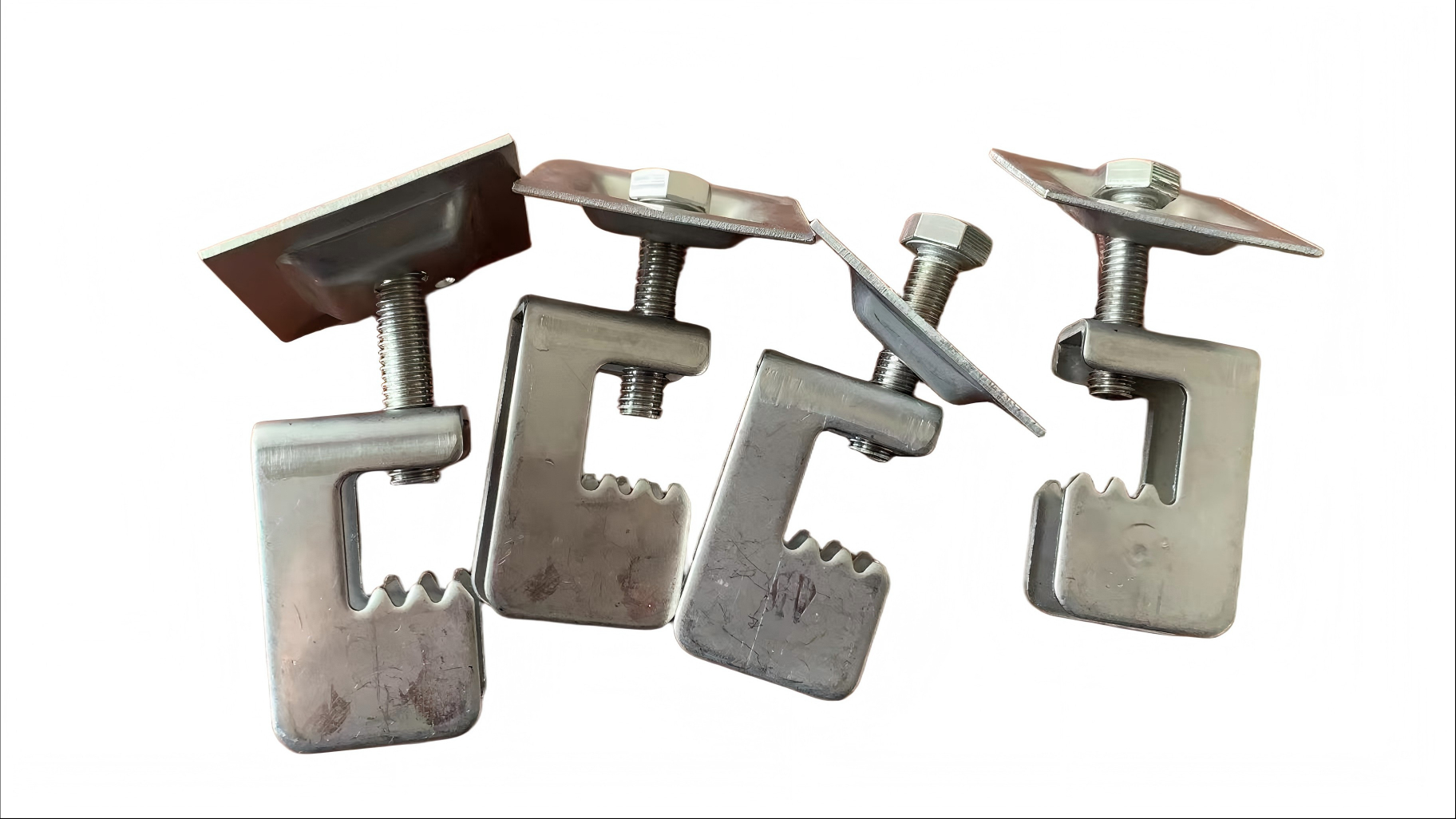
Ensuring safety in industrial and construction settings often hinges on the details—like the humble grating clip. These small but mighty components secure walkway grating, preventing slips and falls while maintaining structural integrity. Custom OEM grating clips step in when standard options fall short, offering a tailored solution that matches specific load requirements and environmental conditions. By precisely fitting your equipment, they create a seamless, secure setup that stands up to the test of time and heavy use.
What sets custom OEM grating clips apart is their ability to address unique challenges head-on. Picture a high-traffic oil rig or a chemical plant with corrosive atmospheres—off-the-shelf clips might wear down or fail under these stresses. Custom designs, however, can incorporate materials like stainless steel or specialized coatings to resist corrosion and enhance durability. This attention to detail doesn't just meet safety standards; it pushes beyond compliance, ensuring every step is safe and reliable, no matter the setting.
Beyond just holding things in place, custom OEM grating clips contribute to overall operational efficiency. When clips are engineered for exact fit and performance, they reduce maintenance needs and downtime from repairs. Plus, their tailored nature often leads to easier installation, saving time and labor costs. In an industry where every second counts, investing in custom solutions isn't just about safety—it's about building a foundation for smoother, more productive operations that keep people and projects moving forward safely.
Streamlining Installation for Faster Project Completion
By optimizing installation processes, teams can significantly reduce downtime and accelerate project timelines. This involves thorough pre-planning, such as clear communication with suppliers to ensure materials arrive on-site in the correct sequence, and using modular components that snap together seamlessly. Additionally, leveraging digital tools like 3D modeling or augmented reality helps visualize installations in advance, minimizing errors and rework. Case studies show that projects adopting these streamlined approaches often finish weeks ahead of schedule, boosting overall efficiency and client satisfaction.
Another key aspect is training crew members to handle installation tasks more adeptly. Instead of relying on trial-and-error methods, investing in hands-on workshops and certifications ensures that everyone follows best practices. This not only speeds up the process but also enhances safety and quality control. For instance, in construction or IT setups, having a well-trained team can cut installation times by up to 30%, allowing projects to move forward without unnecessary delays.
Streamlining isn't just about speed—it's about smarter workflows. Regular audits of installation procedures can identify bottlenecks, such as redundant steps or outdated equipment, that slow progress. By implementing lean principles, like just-in-time delivery and continuous improvement loops, organizations can maintain momentum and adapt quickly to changes. This proactive approach turns installation from a potential hurdle into a competitive advantage, ensuring projects are completed faster while meeting high standards.
Durability in Harsh Construction Environments
In the demanding world of construction, where sites expose materials to relentless forces like extreme weather, heavy loads, and constant wear, durability isn't just a feature—it's a non-negotiable necessity. It’s the difference between a structure that stands strong for decades and one that succumbs prematurely to cracking, corrosion, or failure, risking safety and escalating maintenance costs.
To excel in harsh environments, modern materials and techniques prioritize resistance against specific threats, such as using stainless steel or fiber-reinforced concrete that can repel moisture and chemical attacks. Innovations like smart coatings or nanotechnology are increasingly integrated to self-heal minor damages, ensuring resilience without frequent human intervention.
Ultimately, focusing on durability streamlines project outcomes by reducing downtime and enhancing long-term performance, allowing teams to tackle challenging conditions with confidence, knowing their builds can withstand the test of time.
Cost-Effective Solutions for Material Compatibility
Finding ways to ensure materials work well together without overspending can be a real game-changer for projects big and small. By focusing on smart testing methods and alternative materials, you often sidestep expensive trial-and-error phases. For instance, using predictive software tools to simulate interactions between different substances can reveal potential issues early, saving both time and resources that might otherwise go to waste.
One practical approach is revisiting traditional material pairings with a fresh perspective—sometimes, slightly tweaking the composition or surface treatment of a common material yields better compatibility at a fraction of the cost of high-end alternatives. In industries like packaging or construction, this strategy has led to durable, efficient products that perform reliably under stress, proving that innovation doesn't always require a hefty price tag.
Moreover, collaborating with suppliers to source locally available or recycled materials can cut expenses significantly while enhancing environmental credentials. This not only reduces shipping costs and lead times but also fosters stronger, more adaptable supply chains, making your solutions both cost-effective and resilient to market fluctuations.
Innovative Designs for Enhanced Load Distribution
Imagine a bridge that adapts to shifting weights, a building that redistributes stress during earthquakes, or a machine that gracefully handles unexpected loads. These scenarios aren't just futuristic dreams – they're the tangible outcomes of cutting-edge designs focused on enhanced load distribution. By rethinking how forces flow through structures, engineers can create systems that are not only stronger but also more resilient and efficient. This approach moves beyond traditional static analysis, incorporating dynamic elements that respond to real-world conditions, ultimately leading to safer and more durable solutions across industries from construction to aerospace.
At the heart of these innovations lies a blend of advanced materials and smart geometries. For instance, biomimicry-inspired designs, such as fractal patterns or honeycomb structures, mimic nature's ability to spread loads effectively, reducing stress concentrations that often lead to failure. Coupled with adaptive systems like shape-memory alloys or sensor-driven actuators, these designs can actively adjust to changing loads in real-time. This isn't about merely beefing up support – it's about orchestrating a symphony of components that work together to balance forces, preventing overloads and extending the lifespan of everything from skyscrapers to wearable tech.
What sets these designs apart is their holistic impact. Enhanced load distribution isn't just a technical tweak; it drives sustainability by minimizing material waste and energy consumption. By optimizing how loads are managed, structures can be lighter yet more robust, cutting down on costs and environmental footprints. As industries push the boundaries of innovation, this focus on smarter load handling is reshaping standards, making it a cornerstone for next-generation engineering that prioritizes both performance and adaptability in an ever-changing world.
Real-World Applications and Efficiency Gains
Real-world applications of this technology extend across multiple industries, from healthcare diagnostics and logistics optimization to sustainable energy management. In healthcare, it enables faster and more accurate identification of medical conditions, while logistics systems benefit from streamlined routing that reduces fuel consumption and delivery times. Similarly, energy grids can dynamically adjust to demand patterns, minimizing waste and enhancing reliability. These practical implementations demonstrate how the technology directly addresses everyday challenges, translating theoretical advancements into tangible improvements that affect both businesses and communities.
Efficiency gains are often measured by significant reductions in operational costs and resource utilization. For example, in manufacturing, predictive maintenance algorithms can foresee equipment failures before they occur, cutting downtime by up to 30% and saving on repair expenses. In agriculture, precision farming techniques allow farmers to apply water and fertilizers more judiciously, boosting crop yields while conserving natural resources. Such innovations not only optimize processes but also contribute to environmental sustainability, showcasing a dual benefit that resonates in today's eco-conscious landscape.
One standout aspect is the integration of these technologies into smaller-scale, niche applications that are frequently overlooked. Customized solutions for local businesses, like optimizing inventory for a boutique store or automating customer service for a regional service provider, illustrate how efficiency gains are accessible beyond large corporations. This adaptability ensures that benefits are not confined to high-tech sectors but permeate various facets of the economy, fostering a more inclusive approach to technological progress that prioritizes practical utility and user-centric design.
FAQ
An OEM grating clip is a specialized fastener produced by an original equipment manufacturer, designed to securely attach grating panels to support structures. These clips are crucial for creating stable, reliable walkways and platforms in industrial and commercial building projects.
Grating clips play a key role in safety by preventing grating panels from shifting, slipping, or becoming dislodged under load. This reduces tripping hazards and ensures stable surfaces for workers, directly lowering the risk of accidents and falls in high-traffic or elevated areas.
Quality OEM clips streamline installation, as they are engineered for precise fit and easy application. This cuts down on labor time and reduces the need for adjustments or rework. Over the long term, their durability minimizes maintenance, keeping projects on schedule and within budget.
These clips are often made from corrosion-resistant materials like stainless steel or galvanized steel. These choices ensure longevity in harsh environments, such as outdoor or chemical-exposed settings, maintaining structural integrity without frequent replacements.
Yes, they're vital in applications like industrial walkways, mezzanines, stair treads, and platforms where grating is used. In sectors like oil and gas, manufacturing, or infrastructure, they ensure secure footing and compliance with safety standards under heavy use.
Key factors include load capacity, material compatibility with the grating and structure, environmental conditions (e.g., exposure to moisture or chemicals), and compliance with industry regulations. Choosing OEM-certified clips can also ensure reliability and performance consistency.
They fit into modular and prefabricated approaches by offering standardized, easy-to-install components. Innovations in clip design, such as quick-release or adjustable types, further enhance adaptability and support efficient, sustainable building methods.
Errors include using incorrect clip types for the grating system, improper spacing or torque during installation, and neglecting environmental factors. Following manufacturer guidelines and training crews can prevent these issues, ensuring optimal safety and durability.
Conclusion
OEM grating clip solutions are revolutionizing construction safety and efficiency by offering custom-designed components that directly address project-specific needs. By maximizing safety through tailored designs that secure grating more reliably, these clips prevent accidents and ensure compliance with stringent regulations. Simultaneously, they streamline installation processes, allowing for faster project completion without compromising quality. Innovations in their design enhance load distribution, further bolstering structural integrity and reducing risks associated with uneven weight-bearing.
Durability is a key advantage, as these clips withstand harsh construction environments, from extreme weather to heavy usage, ensuring long-term performance. Their cost-effectiveness stems from material compatibility, reducing waste and minimizing the need for additional fittings. Real-world applications demonstrate significant efficiency gains, with projects reporting reduced downtime and enhanced workflow. Overall, OEM grating clips integrate safety, durability, and innovation to deliver practical solutions that elevate construction outcomes while meeting evolving industry demands.
Contact Us
Contact Person: Nicholas Zhu
Email: [email protected]
Tel/WhatsApp: 18921275456
Website: https://www.sino-grate.com