

OEM GS-441524 FIP Treatment Guide for Cat Owners
2026-10-08
Facing an FIP diagnosis can feel like running out of time. You want a treatment that works, not another promise. This guide breaks down OEM GS-441524—what it is, how it’s dosed, and what to watch for—so you can make confident choices for your cat. Lucpets is here to help you move from panic to a clear plan.
What Every Cat Owner Must Know Before Starting GS-441524
Before you order anything or start injecting, get a definitive FIP diagnosis from a vet who has actually treated the disease, not just read about it. Many symptoms overlap with other conditions, and treating the wrong illness wastes time and money. Once confirmed, have your vet calculate the correct starting dose based on your cat's weight and whether the FIP is wet, dry, ocular, or neurological. Never guess from online forums alone.
Treatment is a long commitment, usually 12 weeks, and consistency matters more than almost anything else. Weigh your cat regularly because the dose changes with weight gain. Track temperature, appetite, and energy levels daily—these small clues tell you if the drug is working or if something is off. Missing doses or stopping early because your cat looks better is the fastest way to trigger a relapse.
Be very careful where you buy GS-441524. This is not a supplement; purity and concentration vary wildly between suppliers, and a cheap vial can mean a failed treatment or worse. Your vet may be able to recommend a reliable source, or you may need to join FIP support groups to find current, vetted options. Plan the full cost and logistics before day one, including syringes, needles, and backup for days when life gets messy.
Finding a Trustworthy OEM GS-441524 Supplier Without Falling for Scams
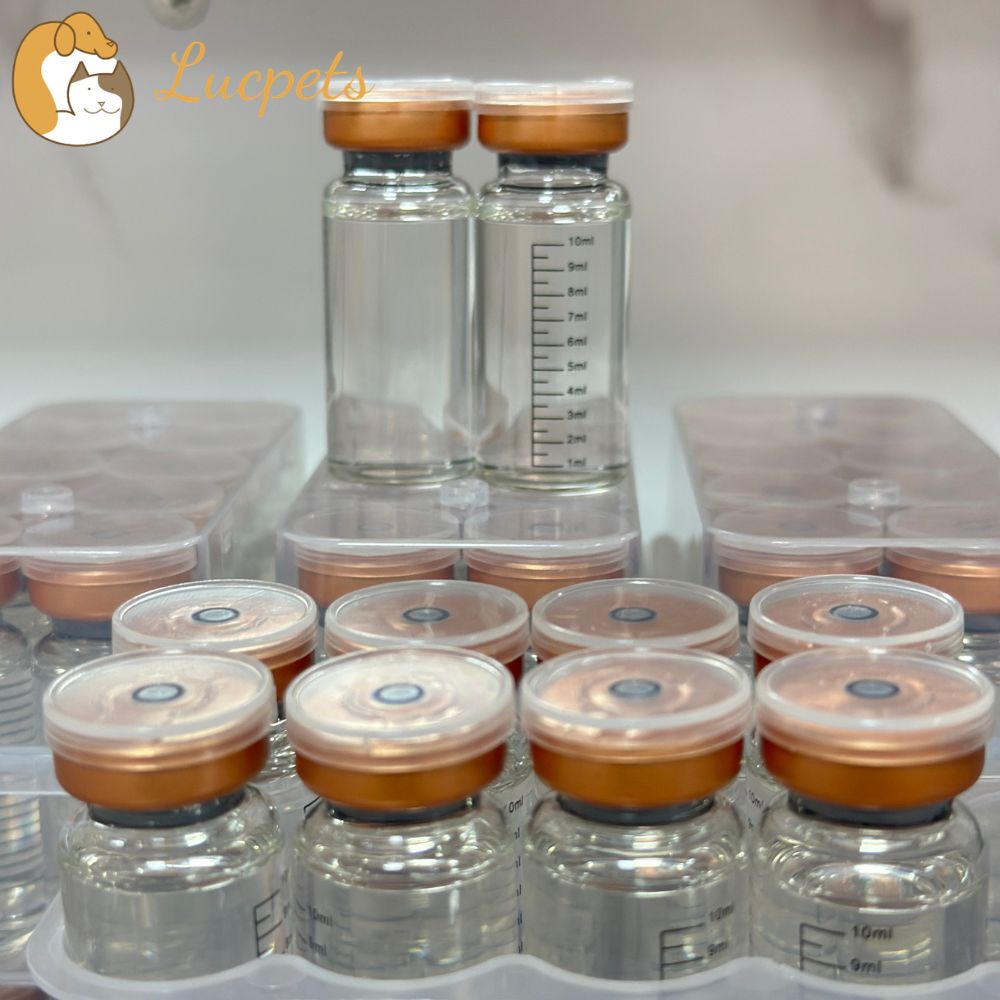
Finding a real OEM source for GS-441524 usually means ignoring the loudest sales pitches and focusing on things that are harder to fake. A legitimate manufacturer will let you verify their facility through a live video call, not just a gallery of stock photos. Ask to see the actual production line, raw material storage, and packaging area, and pay attention to whether the person on the call knows the process or just repeats marketing phrases.
Documents matter, but only if they’re current and tied to the batch you’re buying. Request a certificate of analysis for the exact lot number, then confirm the testing lab exists and accepts independent verification. If the supplier balks at third-party retesting or pushes a “guaranteed” result without explaining methodology, walk away. Red flags also cluster around payment: personal bank accounts, pressure to skip a purchase order, or discounts for crypto payments are common ways to disappear with your money.
Before committing to a large order, run a small trial and watch how the supplier handles problems. A trustworthy OEM won’t disappear after the first invoice; they’ll ask about your quality requirements, offer batch retention samples, and provide contactable references in your industry. Taking an extra week to check these details is far cheaper than recovering from a scam.
Calculating the Exact Dose Your Cat Needs Based on Weight and Stage
Getting the dose right starts with an accurate weight, not the one from last year’s vet visit. Use a digital baby scale or weigh yourself holding the cat and subtract. Then check the medication’s dosing range, usually expressed as mg per kg. Multiply your cat’s weight in kilograms by the low end of the range, then the high end. That gives you a starting window, but stage matters more than most people expect.
Early-stage conditions often respond to the lower end, while advanced or acute presentations may need the upper end or even off-label adjustments under veterinary guidance. For kittens, weight changes fast, so recalculate every few days. For seniors with kidney or liver involvement, the same mg/kg figure can behave very differently because clearance slows down. If the dose falls between tablet sizes, ask about compounded liquids or split tablets only if the manufacturer confirms it’s safe.
Making Injections Less Stressful for You and Your Cat
Most injection stress starts before the needle ever comes out. If you’re holding your breath or fumbling with supplies, your cat notices. Set up a quiet spot with everything within reach, and give the area a couple of minutes to settle. A towel that smells like home or a plug-in calming diffuser can take the edge off. Talk in a low, steady voice, and don’t rush the prep. When your hands are calm, your cat is less likely to bolt.
The actual stick matters less than the seconds around it. Pinch the skin gently but firmly, and slide the needle in at a shallow angle rather than jabbing downward. Keep the plunger slow—fast pushing stings more. Use your free hand to rub behind the ears or press lightly along the shoulders; that steady touch can distract better than food alone. Rotate injection sites each time, and if you’re giving subcutaneous fluids, warm the bag to body temperature first.
Aftercare turns a scary routine into a tolerable one. Have a special treat ready—something your cat only gets post-injection—and offer it before you put the supplies away. A short brushing or wand-toy session works too. If your cat still hides, don’t chase; leave the treat near their hiding spot and let them come back on their own terms. Over time, pair the sight of the needle with those rewards by showing the syringe during calm moments, then putting it away without using it.
Recognizing the First Signs That the Treatment Is Working
Noticing the first signs that a treatment is taking hold often feels less like a sudden shift and more like a subtle loosening. You might find yourself sleeping a little deeper, or catching a moment of calm in a situation that would have previously sent your thoughts spinning. These small changes can be easy to dismiss because they don’t arrive with fanfare—but they are worth paying attention to.
Another early signal is a quiet return of ordinary interest. Maybe you pick up a book you haven’t touched in months, or you feel a faint pull to go for a walk without forcing yourself. Energy may still be uneven, but the effort required to do basic things starts to feel less heavy. When these moments begin to string together, it’s often a reliable hint that the treatment is beginning to work—not by erasing difficulty all at once, but by giving you back small footholds of your own life.
Preventing Relapse After the Treatment Ends
Finishing a treatment program often feels like crossing a finish line, but the real work begins when the structured support fades. The risk of slipping back into old habits rises sharply in the first few weeks and months after discharge, partly because familiar triggers—people, places, even certain times of day—suddenly become accessible again without a counselor or group checking in. To stay steady, it helps to treat recovery as a daily practice rather than a completed task. Simple routines like a morning check-in with yourself, keeping a list of early warning signs, and scheduling regular phone calls with a sponsor or trusted friend can bridge the gap between formal care and independent living.
One common misstep is assuming that willpower alone will carry you through. Relapse rarely happens in a single dramatic moment; it builds quietly through small compromises—a skipped meeting here, a rationalized drink or use there, a gradual drift from the routines that kept you grounded. To counter this, many people find it useful to write out a personalized relapse prevention plan while still in treatment and then revise it monthly. This plan might include specific actions for high-risk situations, such as a holiday party or an argument with a family member, along with the names and numbers of three people you can call before making a decision you might regret. Keeping that plan visible—on a phone lock screen or taped to a bathroom mirror—turns abstract intentions into concrete steps.
Finally, pay attention to the quieter emotional triggers that often get overlooked: boredom, loneliness, exhaustion, or a sense of purposelessness after the intensity of treatment. Building a life that feels worth staying sober for matters as much as avoiding old haunts. This could mean volunteering, joining a recreational sports league, picking up a neglected hobby, or simply scheduling regular social time with people who support your recovery. The goal is not to live in constant fear of relapse, but to gradually reshape your daily environment so that the path of least resistance leads toward the life you want—not the one you left behind.
FAQ
GS-441524 is an antiviral nucleoside analog that stops the feline coronavirus from replicating inside your cat's body. It targets the viral RNA polymerase, which the virus needs to copy itself. Without that replication, the virus can't keep spreading, and your cat's immune system gets a real chance to clear the infection. It's not a cure-all on its own, but it's the most effective direct-acting treatment we have for FIP right now.
OEM here just means the product comes from an original equipment manufacturer, so it's a non-branded or white-label version of the same GS-441524 molecule. The active ingredient is identical to what you'd find in name-brand vials, but OEM versions are often sourced directly from labs that produce the compound in bulk. That can make them more affordable, though you should always verify purity and concentration through third-party testing before injecting anything into your cat.
Dosage isn't one-size-fits-all. It depends on your cat's weight, the form of FIP (wet, dry, ocular, or neurological), and how advanced the disease is. Most treatment protocols start between 4 and 10 mg per kilogram per day, with neurological or ocular cases needing the higher end. You'll need to weigh your cat accurately, calculate the daily dose, and adjust as your cat gains weight. Never guess, because underdosing can lead to resistance and relapse.
The most common issue is pain or irritation at the injection site, since GS-441524 is acidic and given subcutaneously. You might see sores, scabs, or hair loss where you inject. Some cats also have mild lethargy or reduced appetite in the first week, but that usually passes. More serious signs like vomiting, diarrhea, or jaundice mean you should contact your vet immediately. Rotating injection sites and using a slightly larger needle can reduce local reactions.
The standard course is 84 days, or 12 weeks, of daily injections. That timeline comes from clinical trials and field experience showing that shorter courses lead to much higher relapse rates. Some cats with mild forms might be cleared sooner, but stopping early is risky. After the 84 days, your cat enters an observation period of another 12 weeks to make sure the virus doesn't rebound.
No, and this is one of the biggest mistakes owners make. FIP symptoms can improve dramatically within the first two weeks, but the virus is still hiding in tissues. Stopping before the full 84-day course gives those hidden viruses a chance to multiply again, and relapsed FIP is often harder to treat. Even if your cat looks perfect, finish every single injection as scheduled.
Give the missed dose as soon as you remember, then continue with your normal schedule the next day. Don't double up to catch up. If you miss more than 24 hours, contact your vet or an FIP treatment group right away, because gaps in therapy can allow viral replication to restart. Consistency is critical, so set a daily alarm and keep a log of every injection to avoid lapses.
Conclusion
Starting GS-441524 for feline infectious peritonitis is a serious commitment, and the preparation phase often determines how smoothly the rest of the process goes. Before the first injection, you need a confirmed diagnosis, baseline bloodwork, and a clear understanding that this is a lengthy daily treatment—not a quick fix. The supplier question trips up many owners: look for third-party lab reports, batch numbers, and reviews from real treatment groups rather than polished websites. Once you have a vial in hand, the dose is never guesswork. It depends on your cat's current weight and whether the FIP is wet, dry, ocular, or neurological, with higher stages requiring more drug per kilogram. Measuring carefully and re-weighing weekly keeps the dose accurate as your cat gains weight.
Injections are the hardest part for most households, but small changes help—warming the solution slightly, rotating sites, and using a consistent routine can turn a daily battle into a manageable few minutes. The first sign the drug is working is usually a drop in fever and a return of appetite within 48 to 72 hours, followed by resolution of fluid buildup and steady weight gain. Don't stop early just because your cat looks better; the full 12-week course matters. After the final injection, a watch-and-wait period is essential. Keep stress low, feed a high-quality diet, and track any subtle changes in energy or appetite, because relapse is often linked to cutting the course short or using underdosed product.
Contact Us
Contact Person: Aaron
Email: [email protected]
Tel/WhatsApp: +86 18177165140
Website: https://www.lucpetsglobal.com