

Precision Rolling Mills: Achieving Excellence in High-Accuracy Metal Processing
2026-02-11
In the world of metal processing, achieving high accuracy is not just a goal—it's a necessity for industries that demand perfection. Precision rolling mills stand at the forefront of this technological pursuit, shaping metals with exactitude and consistency. At GRM, we're dedicated to pushing the boundaries of what's possible in high-accuracy metal processing. Our innovative approaches and cutting-edge solutions are designed to meet the rigorous demands of modern manufacturing. In this blog, we'll explore the key aspects of precision rolling mills, from advanced techniques to real-world applications, and how GRM is leading the charge toward excellence. Join us as we delve into the intricacies of this fascinating field, uncovering insights that could transform your operations. Stay tuned for a journey into precision, innovation, and success.
What defines excellence in high-accuracy metal processing?
Excellence in high-accuracy metal processing hinges on a trifecta of factors: precision, consistency, and adaptability. Unlike standard machining, where minor deviations might be tolerable, high-accuracy work demands tolerances down to micrometers or even nanometers, as seen in aerospace components or medical implants. This isn't just about sharp tools; it's about how every element—from the rigidity of the machine structure to the calibration of sensors—plays a role. When you can repeatedly hit these tight specs without fail, that's where true craftsmanship meets technological prowess.
Beyond the machinery, excellence emerges in the mastery of materials and processes. Different metals behave uniquely under stress and heat, so understanding their properties is crucial for preventing distortions or residual stresses that compromise accuracy. Techniques like CNC turning or laser cutting become art forms when paired with real-time monitoring and feedback loops. It's not just about following a blueprint; it's about interpreting how each cut or weld affects the final integrity, ensuring parts fit seamlessly in complex assemblies.
What truly sets top-tier metal processing apart is its integration of innovation with time-honored skills. While advanced software and automation boost efficiency, human expertise in setup and troubleshooting remains irreplaceable. Think of it as a dance between cutting-edge tech and seasoned judgment, where every adjustment—whether in tool path optimization or thermal management—aims to exceed expectations. This blend not only pushes boundaries but also builds trust in industries where a single flaw can have costly or even dangerous consequences.
Key technologies driving precision in rolling mills today
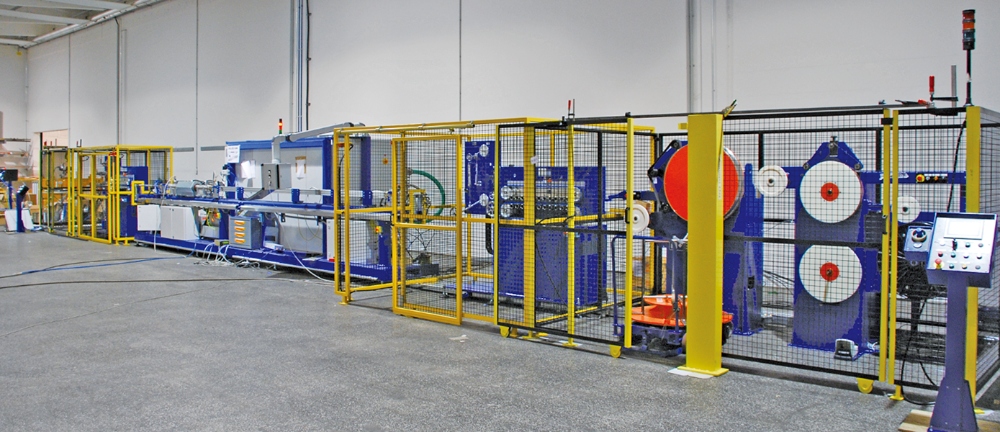
One of the most transformative advancements in rolling mill precision comes from advanced sensors and automation systems. Instead of relying solely on manual adjustments, mills now integrate high-resolution sensors that continuously monitor variables like temperature, thickness, and speed in real-time. This allows for instant feedback and automatic corrections, significantly reducing human error and ensuring consistent product quality across long production runs. The integration of these systems has made it possible to achieve tolerances that were once thought unattainable, pushing the boundaries of what rolling mills can produce.
Another key driver is the use of sophisticated data analytics and machine learning algorithms. By analyzing vast amounts of operational data, mills can predict potential issues before they occur, optimize rolling parameters for specific materials, and adapt to changing conditions on the fly. This proactive approach not only enhances precision but also boosts efficiency and reduces waste, as processes become more tailored and responsive. It's like giving the mill a brain that learns and improves with every roll, leading to smarter, more reliable outcomes.
Lastly, innovations in material science and roll design have played a crucial role. Modern rolls are engineered with advanced coatings and composites that resist wear and maintain sharp edges longer, directly impacting the accuracy of the final product. Combined with precise cooling systems that manage thermal expansion, these technologies work in harmony to deliver smoother surfaces and tighter dimensional control, setting new standards in industries from automotive to aerospace.
Challenges in maintaining accuracy across metal grades
When manufacturers juggle multiple metal grades in their operations, achieving precise consistency can feel like trying to hit a moving target. Even slight variations in composition—think carbon content in steel or alloying elements in aluminum—can lead to significant performance differences. Factors like temperature control during processing can alter the metal's properties, making uniform outcomes a constant struggle. Keeping track of these nuances demands rigorous testing and fine-tuned adjustments at every stage, which adds layers of complexity to quality control.
Beyond the technical aspects, human error and equipment calibration issues often creep into the mix, making it harder to uphold standards across batches. For instance, if machinery isn't perfectly aligned for a specific grade, it might produce subpar results that slip through initial checks. This variability not only impacts product reliability but can also ramp up costs through scrap materials and rework. Staying vigilant requires a blend of skilled personnel and advanced monitoring systems to mitigate these risks effectively.
In today's fast-paced production environments, the demand for diverse metal grades means switching between materials frequently. Each transition poses challenges in maintaining accuracy, as residues from previous runs or improper handling can contaminate new batches. Implementing robust protocols like thorough cleaning cycles and real-time data analysis can help bridge this gap, ensuring each grade meets its stringent specifications without compromising efficiency.
Innovations shaping the future of precision metal forming
Precision metal forming is entering a transformative era, driven by innovations that push the boundaries of what's possible. Advanced technologies like additive manufacturing are revolutionizing the field, allowing for complex geometries that were once impossible with traditional methods. This shift is enabling industries such as aerospace and automotive to produce lighter, stronger components with greater efficiency.
Another key development is the integration of artificial intelligence and machine learning into forming processes. These systems can predict material behavior, optimize tool paths in real-time, and reduce waste by minimizing trial-and-error approaches. As a result, manufacturers achieve tighter tolerances and faster production cycles, making precision more accessible across various scales.
Emerging materials and smart sensors are also shaping the future, enhancing durability and enabling real-time quality control. Innovations like these not only improve performance but also open up new applications in sectors like medical devices and electronics, where precision is paramount for success.
Real-world benefits: how high-accuracy processing impacts industries
Imagine a manufacturing plant where every component is produced with pinpoint precision, eliminating costly defects and downtime. High-accuracy processing, driven by advanced sensors and AI algorithms, transforms industries like automotive and electronics by ensuring products meet exact specifications from the start. This not only slashes waste and rework but also accelerates time-to-market, allowing companies to respond swiftly to consumer demands and regulatory changes, ultimately boosting competitiveness and profitability in tight global markets.
In healthcare, high-accuracy processing is revolutionizing patient care through personalized medicine and early diagnosis. By analyzing vast datasets from medical imaging, genomics, and wearable devices with minimal error, it enables tailored treatment plans that improve outcomes and reduce adverse effects. This precision reduces healthcare costs by preventing unnecessary procedures and hospitalizations, while enhancing trust and safety for patients, making it a cornerstone of modern medical innovation.
The financial sector relies on high-accuracy processing to mitigate risks and uncover opportunities in real-time. From fraud detection that flags suspicious transactions with near-perfect accuracy to algorithmic trading that capitalizes on micro-market trends, it drives stability and growth. This level of precision empowers institutions to make data-driven decisions, comply with stringent regulations, and serve clients more effectively, securing their reputation and fostering a resilient economic environment for all stakeholders.
Strategies for continuous improvement in rolling mill operations
When it comes to enhancing rolling mill operations, a proactive approach involves regularly analyzing production data and feedback loops. By examining performance metrics like throughput and quality deviations, teams can pinpoint bottlenecks or inefficiencies. For instance, integrating real-time monitoring systems helps operators detect anomalies early, allowing for adjustments before minor issues escalate into costly downtime. This data-driven strategy encourages a culture of problem-solving rather than reactive fixes.
Another effective method is fostering cross-department collaboration to streamline workflows. Encouraging communication between maintenance, engineering, and quality control ensures that insights from different perspectives are leveraged for improvements. Simple initiatives, such as regular brainstorming sessions or pilot projects, can lead to innovative solutions like optimizing roll changes or refining lubrication processes. This collaborative environment not only boosts morale but also drives incremental gains in productivity.
Lastly, investing in employee training and skill development is crucial for sustained progress. By providing hands-on workshops on new technologies or safety protocols, mills empower their workforce to adapt to evolving challenges. Tailoring training to specific roles, like operators learning advanced control systems, helps reduce errors and increase efficiency. Over time, this focus on continuous learning builds a resilient operation capable of meeting shifting market demands with agility.
FAQ
Industries like aerospace, automotive, and electronics rely on precision rolling mills for producing high-tolerance metal components essential for advanced applications.
They incorporate advanced control systems, real-time monitoring, and fine-tuned rollers to minimize deviations and maintain tight tolerances during production.
Common materials include stainless steel, aluminum, titanium, and specialty alloys, chosen for their properties and suitability for precise shaping.
They offer superior dimensional control, enhanced surface finish, reduced waste, and the ability to produce complex shapes with consistent quality.
Challenges include maintaining process stability, handling material variations, and investing in skilled personnel and ongoing equipment maintenance.
Innovations like AI-driven optimization, IoT sensors, and automated adjustments are enhancing efficiency, accuracy, and adaptability in modern mills.
Yes, they can be tailored with specialized tooling, controls, and setups to meet unique requirements for different industries or product types.
By reducing material waste and energy consumption through efficient processes, they contribute to more environmentally friendly production practices.
Conclusion
Excellence in high-accuracy metal processing is defined by the ability to consistently produce metal products with precise dimensions, surface quality, and mechanical properties, meeting stringent specifications for industries like aerospace and automotive. This is driven by key technologies such as advanced computer-controlled systems, real-time monitoring sensors, and sophisticated automation, which enable fine-tuning of rolling parameters to achieve tight tolerances. However, maintaining this accuracy across diverse metal grades, from steel to aluminum, poses challenges due to variations in material behavior, requiring adaptive control strategies and robust quality assurance protocols.
Innovations shaping the future include AI-driven predictive maintenance, smart rolling mills, and sustainable processing methods, which enhance efficiency and reduce waste. The real-world benefits are significant, as high-accuracy processing improves product reliability, reduces material usage, and boosts performance in sectors like construction and electronics. For continuous improvement, strategies focus on operator training, data analytics for process optimization, and fostering a culture of innovation, ensuring rolling mills evolve to meet dynamic market demands while excelling in precision metal forming.
Contact Us
Contact Person: Rayna
Email: [email protected]
Tel/WhatsApp: 86 -173 1474 6343
Website: https://www.grmrollingmill.com/