

Private 5G Network Vendors: Your Guide to Selecting the Right Partner
2026-06-08
The race to harness private 5G is reshaping industries, but your success hinges on a critical decision: choosing the right vendor. With countless options vying for attention, it’s easy to get lost in technical jargon and bold promises. That’s where IPLOOK stands apart—not just as a vendor, but as a partner that understands your unique connectivity challenges. In this guide, we’ll cut through the noise and explore what truly matters when evaluating private 5G network providers. Whether you're deploying a smart factory, a connected campus, or a mission-critical network, the right partner can make or break your vision. Let’s uncover the key factors that turn a vendor into a long-term ally.
Avoiding Common Pitfalls When Defining Your Private 5G Use Cases
Many organizations jump into private 5G with a lot of enthusiasm but a vague idea of what they actually need the network to do. The result is often a mismatch: they end up with either a network that’s far more complex than required, driving up costs and integration time, or one that fails to deliver the performance expected for critical applications. Instead of letting the technology lead, successful teams start by mapping real operational workflows and only then decide which 5G capabilities—like ultra-low latency or massive device density—are truly necessary. This shift from a technology-first to a problem-first mindset avoids the trap of building a shiny but impractical network.
Another common misstep is lifting use cases directly from consumer or public 5G deployments without adapting them to local conditions. A factory floor, for example, is full of metal structures, moving machinery, and unpredictable interference that don’t exist in a stadium or city center. Assuming certain latency or throughput targets based on lab trials or other industries often leads to underperformance and frustration. I’ve seen teams set rigid connectivity specs for autonomous guided vehicles, only to find out during testing that a combination of physical obstacles and legacy equipment on the same spectrum band makes those targets unreachable without expensive infrastructure changes.
The best way around these pitfalls is to combine early, small-scale testing with close collaboration between network engineers and the people who will use the system daily. Run a pilot that mimics actual production traffic, measure what happens when things go wrong, and adjust use case definitions accordingly. Focus on one or two clear operational problems that 5G can solve better than existing alternatives—whether that’s eliminating a safety risk or reducing unplanned downtime—and prove the value before scaling. This approach keeps teams grounded, avoids scope creep, and builds internal support because the benefits are tangible, not just theoretical.
Beyond the Spec Sheet: How to Vet a Vendor’s 5G Core and RAN
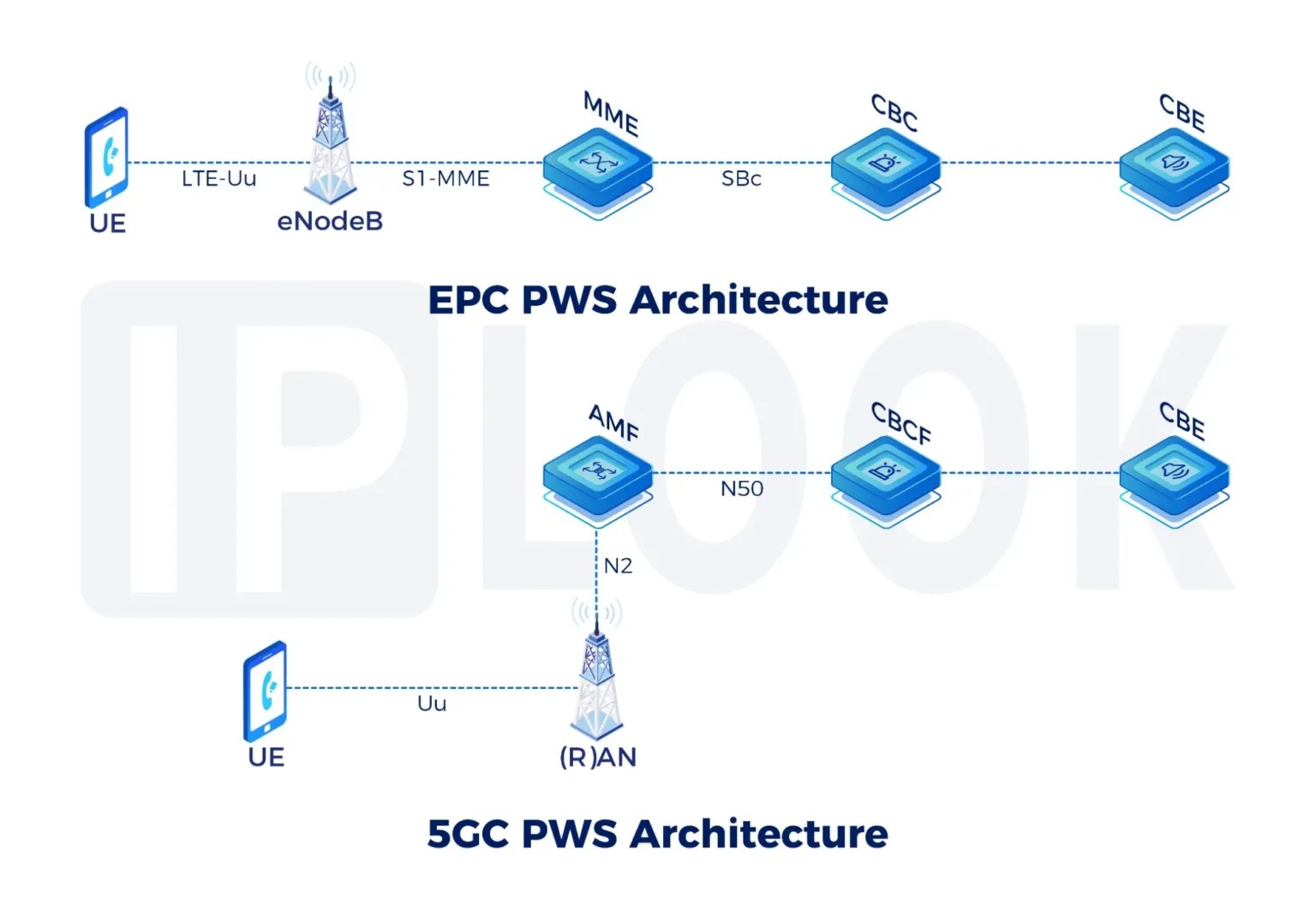
Evaluating a 5G vendor goes far beyond comparing technical specifications on paper. The real test lies in understanding how their core and RAN solutions perform under real-world conditions—especially when dealing with multi-vendor interoperability, dynamic network slicing, and edge compute integration. Request a live demonstration that mirrors your operational environment, not a sterile lab setup. Push for clarity on how the system handles unpredictable traffic surges, or how seamlessly it falls back to 4G in coverage gaps. These practical insights often reveal gaps that glossy spec sheets conveniently hide.
Delve into the vendor's software architecture and roadmap flexibility. A true 5G-native core should be fully containerized and cloud-agnostic, allowing you to avoid lock-in and adapt as standards evolve. Ask about their continuous integration and delivery pipelines: how quickly can they roll out a security patch or a new 3GPP feature? For the RAN, scrutinize the maturity of O-RAN interfaces and the extent of RAN Intelligent Controller (RIC) support. The ability to onboard third-party xApps without vendor mediation is a strong indicator of genuine openness, not just marketing talk.
Finally, measure the vendor's commitment through their support ecosystem and operational tools. A fancy dashboard means little if it can't provide predictive analytics or integrate with your existing assurance systems. Probe their track record in large-scale deployments similar to yours, and insist on speaking with reference customers who have weathered initial deployment challenges. The cultural fit matters just as much—look for a partner that treats you as a collaborator in evolving the network, not just a one-time buyer. In an era where the network is software-defined, the post-sale relationship often defines the true value of the investment.
Security by Design: Ensuring Your Private Network Isn’t a Soft Target
When networks are pieced together reactively—adding a firewall here, a VPN there—the result is often a patchwork of vulnerabilities waiting to be exploited. Security by design flips this approach, embedding protective measures into the architecture from day one. It’s not about bolting on defenses after a breach; it’s about engineering the network so that every node, protocol, and access point inherently resists compromise. This demands a shift in mindset from treating security as a feature to treating it as a foundational property, like structural integrity in a building.
A private network built with this philosophy doesn’t just rely on perimeter hardening. It segments sensitive data flows, enforces least-privilege access dynamically, and continuously validates trust—never assuming that internal traffic is safe. For instance, instead of a flat internal network where one compromised device can pivot unchecked, a secure-by-design layout uses microsegmentation and strong identity checks at every hop. This makes lateral movement painfully slow for intruders, reducing the blast radius of any single breach.
Crucially, security by design also reshapes how networks handle updates and third-party components. Hard-coded credentials, default configurations, and unpatched firmware become glaring exceptions rather than the norm. Automated integrity checks, routine red-teaming, and secure defaults turn the network into a self-defending ecosystem rather than a soft target waiting for a skilled attacker to probe.
Scaling Without Fear: Choosing a Network that Grows with You
Growth can feel chaotic, especially when your network buckles under the pressure of new users, devices, or locations. A truly scalable network isn't just about adding more hardware; it's built on flexible protocols and intelligent architecture that adapt as you expand. This means embracing designs that allow you to segment traffic, prioritize critical applications, and easily integrate new technologies without a complete overhaul.
The key is to avoid rigid, one-size-fits-all setups. Instead, look for solutions that offer modularity—where you can incrementally add capacity or features based on real demand. Software-defined networking, for instance, lets you manage growth centrally, shifting resources on the fly rather than manually reconfiguring each device. When your network can mirror the organic pace of your business, expansion becomes a natural step, not a crisis.
Ultimately, choosing a network that grows with you means valuing adaptability over raw specifications. Test how potential solutions handle spikes, understand their upgrade paths, and ensure they support standards that won’t lock you into a dead end. With the right foundation, scaling becomes an afterthought—your focus stays on innovation, not on whether your infrastructure can keep up.
The Real Cost of Private 5G: Budgeting for the Unseen
When organizations pencil out the expense of a private 5G network, they typically tally up radios, core software, and spectrum fees. But what often slips through the cracks are the peripheral costs that don't show up on a vendor's quote. Site surveys, for instance, might reveal the need for structural upgrades to mount equipment, or power and backhaul overhauls that aren't accounted for initially. Then there's the quiet drain of integration work—making the 5G system talk to existing industrial systems, security protocols, and device fleets can consume months of specialized engineering. These hidden layers can easily double the upfront projection, turning a neatly forecasted CapEx into a sprawling, unpredictable outlay.
Operational overhead adds another dimension to the unseen price tag. Unlike traditional wired networks, private 5G demands continuous fine-tuning to handle interference, device density shifts, and evolving use cases. The talent to run it doesn't come cheap; radio frequency and cloud-native networking expertise remains scarce, often necessitating expensive hires or long-term managed service contracts. Maintenance cycles for software updates, security patches, and spectrum monitoring introduce recurring costs that, while small individually, compound significantly over the network's lifespan. Ignoring these factors leads to a deceptive TCO that only surfaces after deployment, blindsiding budgets and eroding the business case.
Perhaps the most elusive cost lies in the mismatch between expectation and reality. Pilot projects tend to operate in idealized conditions, masking the performance limitations that emerge during full-scale rollout. Addressing coverage gaps, hardening devices against industrial environments, or retrofitting legacy machinery to incorporate 5G modules can trigger a cascade of unplanned spending. Without a padded reserve and a candid assessment of these soft costs, a private 5G initiative risks stalling midway, leaving behind stranded assets and a trail of sunk capital. The real expense isn't in the hardware—it's in the complexity that nobody budgets for at the start.
Partner or Just a Provider? Evaluating Post-Deployment Support
After the system goes live, the real test of any vendor relationship begins. A genuine partner doesn't vanish once the deployment is done—they stay close, monitoring performance, suggesting optimizations, and flagging issues before you even notice. In contrast, a mere provider often limits engagement to reactive support tickets and scheduled maintenance, leaving your team to bridge gaps on their own.
The difference shows up in subtle yet critical ways: a partner invests time in understanding your evolving business goals and tailors their advice accordingly, while a provider sticks to a fixed playbook. When unexpected challenges arise, a partner brings cross-functional expertise to the table, not just a scripted response.
Ultimately, evaluating post-deployment support means looking beyond SLAs. Ask whether the vendor proactively shares insights from other clients, offers training updates for your staff, or collaborates on long-term innovation. That's where true partnership reveals itself.
FAQ
Start by mapping out exactly what you need the network to do—not just today, but in a couple of years. Think about device density, latency requirements, and whether you'll need to support roaming or edge computing. The clearer your internal use case, the harder it is for a vendor to sell you a one-size-fits-all box.
If Wi-Fi isn't delivering the reliability or coverage you need in mission-critical areas, or you're struggling with too many cables and fixed layouts, that's a strong signal. Private 5G shines where you need deterministic performance, secure isolation, and the ability to reconfigure spaces quickly without rewiring.
They focus too heavily on radio specs and ignore the ecosystem. You're not just buying spectrum and base stations—you're buying into a partner's ability to integrate with your existing OT systems, provide manageable spectrum options, and support your operations team long after deployment. A vendor that can't walk you through lifecycle management is a big gamble.
Manufacturing and logistics are the obvious ones, especially for AGVs and real-time quality control. But we're also seeing traction in ports for crane automation, in broadcasting for wireless camera feeds, and even in higher education campuses that are using it as a living lab for engineering students.
Demand a site survey that goes beyond a desktop study. Ask them how they'll cope with concrete walls, metal racking, or outdoor-to-indoor transitions. Also pay attention to their backhaul strategy: if they can't explain how the network will interface with your existing fiber or IP infrastructure without creating bottlenecks, they're out of their depth.
When their pitch revolves almost entirely around speed numbers and they can't articulate how their solution maps to your operational pain points. Also, if they struggle to name specific device and SIM management platforms they've integrated with, that's a sign their post-sale support will be a headache.
It depends on your appetite for complexity. A telecom giant gives you a broad roadmap and carrier-grade SLAs, but you might get lost in their enterprise queue. A niche player often offers tighter customization and faster turnaround, but you need to vet their staying power. Consider a multi-vendor approach where a system integrator ties best-of-breed components together.
Conclusion
Selecting a private 5G network vendor is rarely a straightforward checkbox exercise. It begins with a clear-eyed definition of your use cases—steering clear of the common trap of chasing flashy capabilities that don’t align with operational reality. Too many projects stall because the initial blueprint was built on assumptions rather than site-specific needs. Once the use cases are solid, the real vetting starts: digging into the vendor’s 5G core and RAN beyond the glossy spec sheet. Interoperability, latency under load, and real-world performance in your vertical matter far more than marketing numbers. And through all of this, security can’t be an afterthought; a genuinely secure private network demands SIM-level authentication, granular device policies, and encrypted backhaul engineered in from day one—not bolted on later as a reactive measure.
Cost conversations need equal rigour. The sticker price of radios and licenses is only the beginning; spectrum fees, integration labour, ongoing tuning, and the inevitable upgrade cycles form the true total cost of ownership. Savvy buyers press vendors on these hidden line items and build flexibility into contracts to avoid budget overruns down the road. Scalability is another non-negotiable—your network should gracefully handle not just more devices but new types of traffic, from massive IoT to real-time video, without a forklift upgrade. Finally, the relationship matters as much as the technology. A partner who offers proactive post-deployment support, routine health checks, and a clear path for feature evolution will keep your private 5G investment relevant long after the initial rollout, turning a provider into a genuine long-term ally.
Contact Us
Contact Person: Shimmy
Email: [email protected]
Tel/WhatsApp: 85253392231
Website: https://www.iplook.com