

Reliable HDMI Cable Tips for a Stable Home Theater Setup
2026-11-16
Nothing wrecks movie night faster than a flickering screen or audio that cuts out just as the action peaks. A stable home theater setup starts with something most people overlook: the HDMI cable. From bandwidth and shielding to connector durability, small choices make a big difference when you are pushing 4K or 8K signals across the room. In this guide, we break down reliable HDMI cable tips that help you avoid signal dropouts and handshake issues. We also look at what sets EBCYX apart when it comes to consistent performance in real-world setups. If you want your next movie marathon to run without interruptions, the right cable is the quiet foundation you need.
Measure the Real Path Before You Buy the Cable
Cable length sounds simple until you're standing in the aisle holding a package that says ten feet, but the route you need to cover twists behind a desk, along a baseboard, and under a rug. Straight-line distance rarely matches the actual path. Grab a piece of string or a flexible measuring tape, trace every bend and corner from the device to the outlet, then add a little slack for strain relief. That extra six inches keeps the connector from sitting at a harsh angle.
Walls, doorways, and furniture legs can quietly eat up length. A cable that looks fine on paper may arrive two feet short once it has to loop around a monitor stand or drop to a power strip tucked behind a shelf. Mark the exact endpoints, then walk the route with a measuring wheel or a cloth tape. Recheck at least twice, because recutting a cable or waiting on a return is slower than getting the number right the first time.
Also consider how the cable hangs or lies. A suspended run between two points needs more length than a floor run, since gravity creates a gentle arc. If you plan to use cable clips or raceway, the path becomes slightly longer at each turn. Build in ten to fifteen percent over the measured path, but don't go wildly long; excess cable creates tangles, signal loss, and more clutter to manage.
Look for Certification Holograms Instead of Marketing Buzzwords
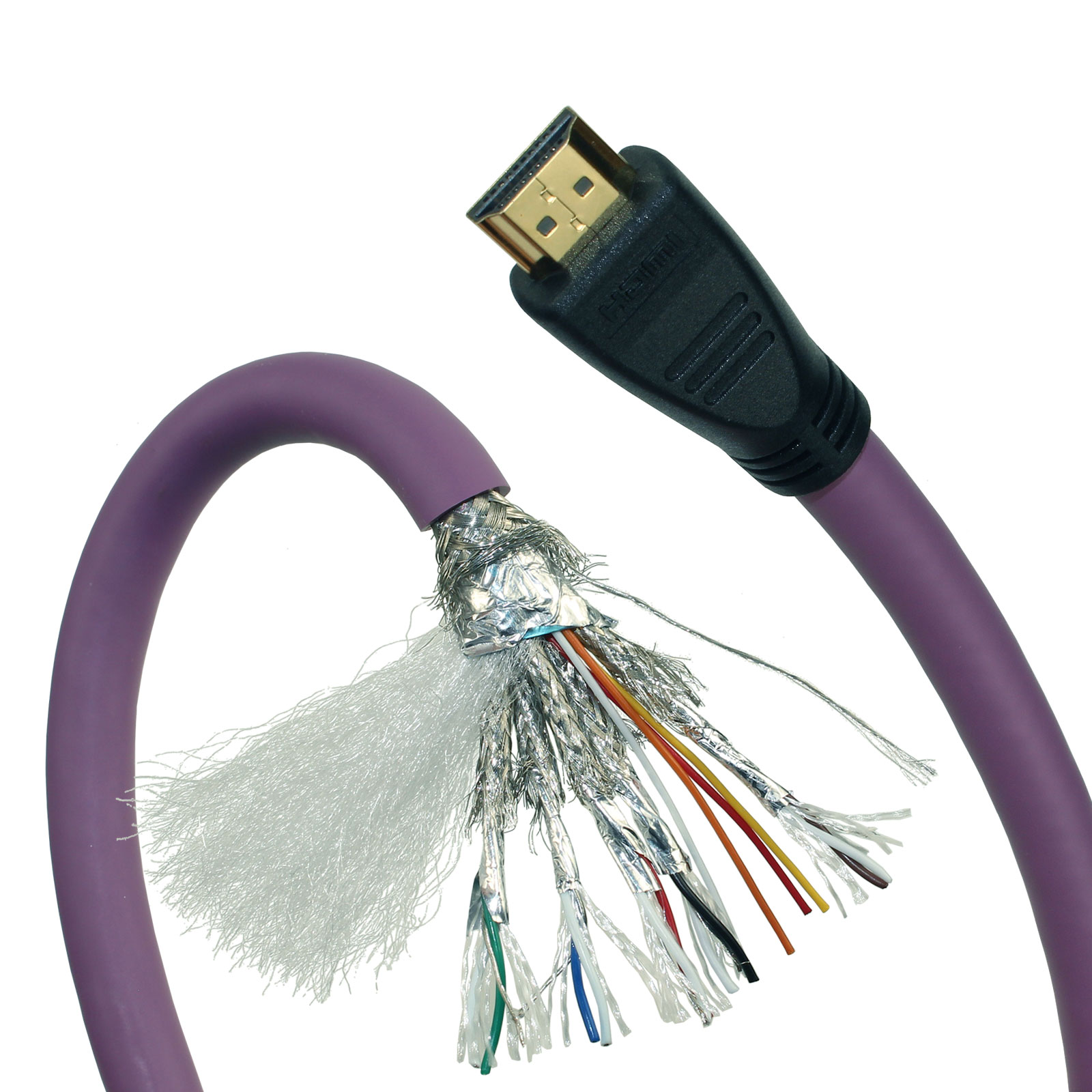
The label says “natural” and the box screams “clinically proven,” yet none of that tells you how the product was actually handled. A hologram, on the other hand, is harder to fake. It usually points to a third-party audit, a specific batch number, or a traceable supply chain—details that marketing copy rarely bothers to include because they require accountability.
When you spot a certification seal with a shifting, layered image, flip the product over and check for a code or a QR link. Try scanning it. A real hologram often connects to a database entry that shows when and where the item was tested or verified. Buzzwords like “pure” or “premium” never offer that kind of follow-up.
It also helps to learn which holograms matter in your niche. In supplements, look for third-party testing marks. In electronics, seek out safety certification emblems. If a brand invests in a verifiable hologram, they are inviting scrutiny. If they only lean on vague adjectives, they are betting you won’t ask questions.
Give HDMI Lines Some Distance From Power Runs
Routing HDMI beside power lines is a quick way to inherit noise you won't notice until the screen starts flickering. The conductors inside your walls create electromagnetic fields that bleed into unshielded or lightly shielded cables, so keeping a gap of at least six inches between them does more than any ferrite choke you can add later. In tight stud bays, cross power lines at a right angle instead of running parallel, and you'll cut the worst of the interference without tearing everything apart.
Long parallel runs are the real culprit. A short crossing might pass unnoticed, but once an HDMI cable travels side by side with Romex for ten or fifteen feet, the signal degradation compounds fast. If you have no choice but to share a chase, use a well-shielded cable and tie it down so it can't drift toward the voltage. Even better, run the HDMI through a separate drilled hole a few inches away from the electrical bundle.
Test the result before sealing the wall. Hook up a source that pushes 4K or high refresh content, then look for sparkles, dropouts, or handshake failures. Those symptoms often show up only under load, not during a quick menu check. A little extra distance now saves you from opening drywall later.
Pay Attention to Connector Strain Behind the Receiver
The space behind an AV receiver gets tight quickly, and that is where most connector damage starts. Heavy HDMI and speaker cables pull downward as soon as they leave the ports. Over time, that steady tension loosens solder joints and can make the connector housing crack around the jack. A cable that looks fine from the front may already be working against the board inside.
Instead of forcing the receiver flush against the cabinet, leave a few inches of clearance so cables can make a gentle turn. Right-angle adapters can help in shallow spaces, but they need to be supported rather than left hanging. If a thick HDMI cable feels stiff, route it so the weight rests on a shelf or tie point instead of on the port itself.
It is also worth checking the connection points after moving equipment or swapping sources. A slight sideways tug can misalign a connector enough to cause dropouts or handshake failures that are easy to blame on the source device. Reseating cables with the receiver powered off and making sure nothing is pulling against the back panel usually clears up those intermittent issues before they become permanent.
Swap One Component at a Time When the Screen Flickers
Swapping parts one at a time is the fastest way to narrow down a flicker without chasing ghosts. Start with the cable, since it is cheap and often the culprit. Replace it, keep every other connection untouched, and watch the screen for a few minutes before reaching for anything else.
If the flicker persists, move to the next suspect in order of likelihood: the port on the graphics card, then the monitor input, then the power supply. Changing only one piece per attempt means the result tells you something definite instead of leaving you guessing which change actually mattered.
This method feels slower in the moment, but it saves hours of second-guessing. Write down what you swapped and what changed on screen. Once the flicker stops after a single swap, you have found the weak link instead of a pile of replaced parts that only masked the real issue.
Leave a Little Slack for Future Rearranging
Most people treat an empty shelf or an open Saturday as a problem to solve. They fill every slot, tighten every gap, and then wonder why the whole arrangement feels brittle. Leaving a little slack is not laziness; it is an admission that your future self will know things you do not know right now. That leftover space is where the better idea lands.
When every hour is booked, one delayed train or one bad night of sleep throws the entire week off balance. A buffer does not need to be large to be useful. Ten minutes between calls, an unclaimed drawer, a few unused rows in a spreadsheet can absorb the friction that rigid plans turn into crises.
The same habit applies to anything you build. Leave an extra wire behind the wall, keep the revision column blank, store the spare parts where you can find them. Future rearranging rarely announces itself in advance. If you have already used up all the room, you will have to break something just to make a small change.
FAQ
It often is, but not always. Before replacing anything, try the same source with a shorter, known-good cable and see if the dropouts stop. If they do, the old cable was probably struggling with bandwidth or had a weak connector. Also check that the connection isn't being tugged sideways by a tight bend.
With passive copper cables, around 20 to 25 feet is where problems tend to show up, especially at 4K 60Hz or higher. Beyond that, a fiber optic or active HDMI cable is the safer choice. They're directional, so look for 'source' and 'display' labels before routing them.
Only if you're using features like 4K at 120Hz, variable refresh rate, or eARC from a modern console or PC. For a regular 4K 60Hz streamer or Blu-ray player, a certified Premium High Speed cable is enough, and it'll cost less.
Give the cable some slack near the connector and support heavier cables with clips or a bend-relief adapter. Don't let a thick cable hang straight down from the port, and always pull by the connector, not the cord, when unplugging.
In most cases it won't, because HDMI carries a digital signal, but it's still good practice to separate them by a couple of inches when possible. If you're running cables in a wall, use rated cabling and avoid wrapping HDMI around power cords in tight loops.
Not for short, normal setups. A certified cable with decent shielding and solid connector strain relief is all you need. The high prices usually come from boutique materials, longer warranties, or fancy braiding, not from a meaningful difference in picture quality.
Connect everything and play high-bitrate content for at least half an hour. Switch between HDR and SDR, try different audio formats, and wiggle the connectors gently at both ends. If there's no flicker, audio drop, or handshake delay, you're probably safe to close up the wall.
Make sure both the TV and soundbar or receiver are connected to the eARC-labeled ports and that HDMI-CEC is enabled. The cable needs to be High Speed or better, but it doesn't have to be expensive. A factory reset of the audio device or a different cable often clears up handshake problems.
Conclusion
Measure the actual path a cable will travel before buying anything, including the bends behind a TV stand and the section that disappears into wall plates. A straight-line guess usually leaves you short, and a tight pull is one of the quickest ways to damage connectors. When comparing boxes, spend less time on bold words like “premium” or “ultra fast” and look for a certification hologram instead, since that gives a more honest signal about bandwidth and build quality. After installation, keep the weight of thick cables from hanging on the receiver’s HDMI ports by adding a small support loop or clip near the back. A little slack at both ends also makes future rearranging far less painful, so you won’t have to unplug everything just to slide the cabinet a few inches.
If the screen starts flickering or dropping out, change only one thing at a time. Test a different input first, then a different cable, and only then swap the source device. That approach keeps you from replacing parts you didn’t need to replace and makes the real fault easier to spot. It also helps to keep HDMI lines away from power cords and adapters, because long parallel runs can pick up interference that shows up as sparkles or occasional signal loss. Where they have to cross, run them at a right angle. A few inches of separation usually costs nothing and prevents the kind of intermittent problem that only appears when someone runs a vacuum or switches on a nearby appliance.
Contact Us
Contact Person: David Yang
Email: [email protected]
Tel/WhatsApp: 8615814734054
Website: https://www.ebcyx.com/