
Smart Bus Stop Manufacturer Crafting Intelligent Transit Solutions for Tomorrow's Cities
2026-08-07
As cities evolve, so does the need for smarter transit. At the heart of this transformation is Zemso, a smart bus stop manufacturer rethinking how we connect with public spaces. Their designs go beyond shelter, integrating real-time data, energy-efficient systems, and intuitive passenger experiences. In a world rushing toward sustainable urban futures, Zemso's solutions are quietly shaping the way we move—one stop at a time. Here's a closer look at what sets their intelligent transit products apart.
Next-Gen Bus Stops That Think Ahead
Modern bus stops have evolved past simple shelters and timetables. These intelligent structures use real-time data to adapt to passenger flow, weather changes, and even traffic conditions. Imagine a stop that extends its canopy when rain sensors activate, or one that adjusts digital displays based on approaching vehicle location. It's not science fiction—it's happening now in cities that understand public transit must become more responsive.
What sets these stops apart is their ability to communicate. Integrated sensors detect how many people are waiting and relay that to the bus network. A vehicle might slow down or even stop automatically if the system flags a crowded platform. Meanwhile, interactive touchpoints offer live updates, alternative route suggestions, or even emergency alerts. The goal is to reduce uncertainty and waiting stress, turning the humble bus stop into a proactive mobility hub.
Beyond convenience, these innovations promote sustainability. Solar panels power the digital systems, e-ink displays consume minimal energy, and durable materials lower maintenance waste. Some stops also track air quality and noise levels, feeding valuable information back to city planners. By thinking ahead, these stops aren't just improving one journey—they’re shaping smarter, greener urban environments for everyone.
Turning the Humble Stop into a City’s Nerve Center
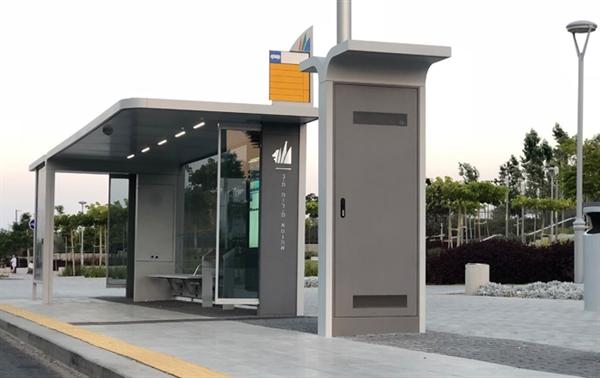
Bus stops have long been overlooked as mere pieces of street furniture, but a quiet revolution is redefining their role in urban life. By weaving in digital displays, environmental sensors, and real-time transit data, these once-mundane shelters are transforming into interactive hubs. They now offer more than just a place to wait—they provide a window into the city's pulse, from air quality readings to live bus tracking, making the everyday commute a bit more informed and connected.
The shift goes beyond technology; it's about reclaiming public space for people. Designers are turning stops into mini-plazas with seating, greenery, and community notice boards. In some cities, you’ll find charging stations, free Wi-Fi, and even small libraries. This approach fosters a sense of place, encouraging people to linger, chat, or simply rest—turning a functional transit point into a genuine social node.
Moreover, these upgraded stops act as data collection points, feeding information back to city planners to optimize routes and reduce congestion. They can monitor foot traffic, noise levels, and microclimate conditions, all while blending seamlessly into the streetscape. The humble stop, once a symbol of transience, is now a permanent fixture of urban intelligence, quietly making cities more livable without anyone needing to notice the gears turning behind it.
Where Daily Commutes Meet Real-Time Intelligence
Your morning train isn't just a ride anymore. It's constantly learning, adjusting schedules based on weather, passenger load, and even city events unfolding that very moment. This isn't sci-fi—it's the quiet integration of real-time data into the fabric of how we move. Your commute adapts to the city, not the other way around.
Think about the last time your navigation app rerouted you before you even saw brake lights. That same stream of intelligence now flows into public transit, ride shares, and even bike lanes. Sensors and algorithms work together to predict bottlenecks, suggest alternative paths, and even coordinate with traffic lights to keep things flowing. It's like the entire city is having a silent, purposeful conversation about getting you home faster.
What makes this shift truly remarkable is how invisible it feels. You're not staring at dashboards or crunching numbers—you're just getting to work with less friction. The system picks up on patterns, from a delayed bus to a sudden downpour, and quietly reshuffles possibilities. It turns your daily slog into a responsive, almost intuitive experience, where the line between your personal routine and city-wide responsiveness blurs into something seamless.
Designing Shelters That Listen and Respond
Imagine a shelter that knows when you’re too warm before you even reach for the window—it simply breathes. That’s the quiet intelligence we’re weaving into spaces once thought of as static boxes. By embedding simple sensors and responsive materials, these structures read subtle shifts in light, sound, and movement. They don’t just stand there; they adapt. A wall might gently brighten as dusk settles, not because a timer told it to, but because it sensed the fading daylight. This is about creating an unspoken dialogue between dweller and dwelling, where comfort isn’t requested—it’s anticipated.
The real shift happens when we move beyond automation into genuine attunement. Instead of rigid programming, we’re designing with a loose, learning logic—a framework that allows a shelter to develop its own rhythms over time, shaped by the people inside. A door might adjust its resistance based on who’s leaning against it, remembering that the child runs fast while the elder moves slow. These aren’t gimmicks; they’re quiet acknowledgments of individuality. The shelter becomes less of a machine and more of a companion, one that grows less noticeable the better it listens. The goal is for the technology to disappear, leaving only a sense of ease that’s felt, not seen.
Of course, the question of privacy lingers when walls start paying attention. The best designs handle this by letting the structure listen without recording—processing cues locally and instantly, then forgetting. It’s the difference between a friend who nods in understanding versus one who writes everything down. We’re building trust into the very beams, crafting shelters that protect not just from the elements but from the unease of being watched. In the end, a truly responsive shelter is one that respects your boundaries even as it softly anticipates your needs, leaving you to live inside it without a second thought.
Beyond Shelter: Crafting Connected Curbsides
A bus stop is more than just a place to wait; it’s a threshold between the private rush of daily life and the shared pulse of the city. When we design these spaces with intention, the simple act of pausing becomes a moment of connection—to neighbors, to the rhythm of the street, and to the subtle poetry of light and sound. By weaving seating, shelter, and greenery into a cohesive whole, a curbside transforms from a transient void into a living room for the community, where chance encounters feel natural and the hum of passing buses sets a gentle tempo.
Thoughtful materials and proportions invite people to linger. A wide bench of warm timber, sheltered by a translucent canopy that plays with shadows, signals that this is a place for you, no matter the weather. Integrated lighting shifts from bright and inclusive during peak hours to soft and intimate at dusk, guiding the eye and the footfall. Small gestures—a shelf for a coffee cup, a leaning rail for a cyclist, a planter that buffers the sidewalk—turn an infrastructural necessity into a canvas of everyday care. Here, the busker’s melody mingles with the rustle of leaves, and the rhythm of arrivals and departures becomes a shared backdrop.
True connectivity emerges when the station reaches beyond its footprint. A map etched into the paving stone might trace walking paths to the nearby library, while a community noticeboard shares local art and lost-and-found stories. The curbline itself blurs into a wider network of passage and pause, stitching together the street market, the parklet, the corner café. In this way, the bus stop becomes a gentle anchor—not just shelter from the rain, but a point in the city where you feel, even for a brief minute, that you belong to the larger choreography of the place.
Future-Proofing Transit, One Stop at a Time
When cities think ahead, they don’t just pour concrete and lay down tracks—they embed adaptability into the very stations people use every day. A single stop becomes more than a place to catch a ride; it’s a hub that can evolve with shifting technologies, from electric charging ports snuggled into curbside seating to modular platforms that reconfigure as demand patterns change. By designing each node with room to grow, cities avoid being locked into yesterday’s blueprint.
At the micro level, materials and layout choices set the stage for a longer lifespan. Permeable pavers that mitigate flooding today can be swapped out for next-generation solar tiles tomorrow without ripping up the entire plaza. Bus shelters, often overlooked, become quiet powerhouses—sporting smart glass that dims under harsh sunlight or screens that display real-time air quality, turning a wait into a moment of local awareness. These small, intentional tweaks mean each stop does double duty now and keeps its options open for later.
The real magic happens when you string these future-ready stops together into a cohesive network. A corridor peppered with sensor-laced benches, shared micromobility docks, and pop-up green spaces feels less like a transit line and more like a seamless part of daily life. Instead of grinding to a halt when new trends hit, the system breathes with the community—embracing electric scooters one decade and autonomous shuttles the next, all because the groundwork was laid stop by stop, not in a frantic, city-wide overhaul.
FAQ
Our designs go beyond just providing shade. We embed interactive displays, real-time tracking, and ambient lighting that actually responds to crowd density. Think of them as mini public squares that happen to be transit stops, blending utility with a subtle wow factor.
By turning wait time into productive or comfortable minutes. Passengers get live bus arrivals, weather updates, and even local event feeds on screen. There’s also a discreet phone charging nook and seating that warms up when it’s cold, which regular shelters simply ignore.
Absolutely. We offer climate-tailored versions—like ventilated panels for muggy coastal areas, enhanced drainage for heavy rain, and solar-reflective roofs for hot climates. The modular structure means a stop in rainy London looks and behaves differently from one in sunny Dubai, but both feel coherent with the cityscape.
They’re assembled with reinforced steel and vandal-resistant coatings that have been tested in high-footfall metro hubs. We also use self-healing surface materials for minor scratches. Maintenance cycles are designed to be infrequent, so the stops age gracefully without constant repair crews.
We work with a slim, low-power processor hidden within the frame. It pulls data from existing transit APIs and displays it on an e-ink panel that doesn’t emit harsh light. No bulky kiosks or messy wiring—everything is tucked behind anti-glare glass, keeping the look clean.
They run on a combination of slim photovoltaic films on the roof and a kinetic floor tile system at high-density stations. Excess energy is stored for night use, so they operate off-grid most of the time. Cities appreciate not having to dig up sidewalks for power cables.
Yes, that’s actually our standard approach. We offer customizable cladding—from heritage-style brick finishes to futuristic perforated metal—and the interface skin can reflect local fonts and color palettes. It’s about making the stop feel native to the neighborhood, not a generic corporate gadget.
Conclusion
As cities evolve, so do the expectations of everyday commuters. A smart bus stop manufacturer is stepping up to redefine what a transit point can be—moving far beyond a simple shelter with a bench and a timetable. Today's next-generation bus stops are being designed to think ahead, integrating sensors and predictive analytics that anticipate passenger flow, adjust lighting and climate controls proactively, and even reroute information based on live traffic conditions. These are not just standalone structures; they're becoming nerve centers for urban mobility, where real-time data streams converge to create a truly responsive public realm. Through embedded connectivity and intelligent software, the humble bus stop is transforming into a dynamic hub that listens to the environment and reacts in the moment, improving both efficiency and the human experience of waiting.
But the vision extends further than high-tech gadgetry. Crafting these intelligent curbside assets means imagining them as connected platforms that serve an entire neighborhood. They become Wi-Fi hotspots, environmental monitoring stations, and interactive wayfinding kiosks—all while maintaining the warmth and openness of a well-designed public space. The manufacturer's role is to blend durable, modular architecture with adaptive technology that can evolve as urban needs change. By embedding upgradeable core systems and maintaining a keen focus on user-centered design, these stops are truly future-proofing transit infrastructure. One stop at a time, they're building a network where the daily commute meets real-time intelligence, turning wait time into productive, safe, and even enjoyable moments. This is what it means to craft transit solutions for tomorrow's cities: every detail orchestrated to make the city itself feel more alive and attentive.
Contact Us
Contact Person: Leo
Email: [email protected]
Tel/WhatsApp: +86 18901905138
Website: https://www.zemsogroup.com/