

Spout Pouch Manufacturer: Essential Guide to Premium Flexible Packaging
2026-05-23
In a market flooded with rigid containers, spout pouches have emerged as the flexible, modern solution for everything from baby food to motor oil. But not all pouches are created equal—material quality, seal integrity, and custom printing can make or break your product's shelf presence. That's where Kody steps in, blending precision engineering with decades of packaging expertise. Here's what you need to know before choosing a manufacturer, and why the right partnership can redefine your brand.
Selecting the Ideal Fitment for Your Spout Pouch
The right fitment turns a basic pouch into a high-performance package. Start by thinking about what’s inside—thin liquids like juices need a different flow than thick sauces or gels. A narrow spout with a drip-free valve works nicely for precision pouring, while wide-mouth options make it easy for spoonable products. Don’t forget how the pouch will be handled; if it’s going to be squeezed often, a soft, ergonomic design keeps the experience comfortable.
Tamper evidence is non-negotiable in many markets, but the approach varies. A simple tear-off ring on a screw cap or a snap-top with a breakaway seal both get the job done without overcomplicating the opening sequence. For family-sized items, a recloseable flip cap that clicks shut can stay fresh through repeated use. Compare the durability of the hinge if the package will be opened and closed multiple times a day.
It’s easy to overlook the production line when choosing a fitment, but compatibility with your filling equipment matters. Some caps and spouts require specific orientation systems or torque heads to seal correctly. Reach out to your packaging partner early and test samples with your actual product—temperature and viscosity changes during filling can reveal surprises that catalog specs won’t show.
Barrier Layers That Keep Contents Fresh Longer
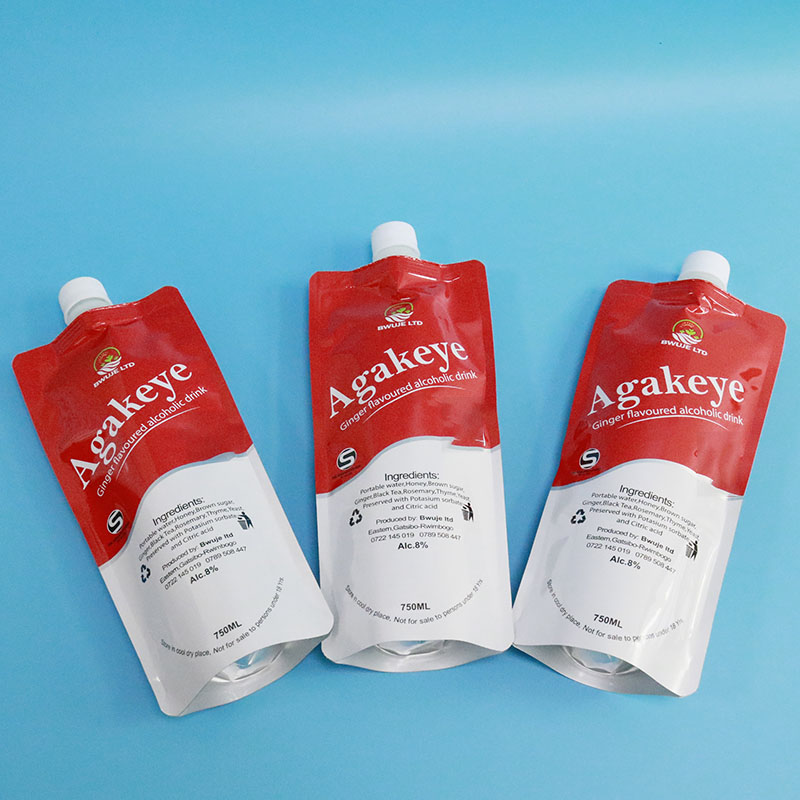
The unsung hero of modern packaging, barrier layers work silently to extend the life of everything from snack foods to pharmaceuticals. By creating a molecular shield, these thin films block oxygen, moisture, and light—the very elements that cause spoilage. Unlike simple plastic wraps, advanced barrier materials are engineered with multiple layers, each designed to stop specific contaminants. Some incorporate aluminum coatings, while others use specialized polymers like EVOH, which can reduce oxygen transmission by up to 10,000 times compared to ordinary plastics. This micro-thin defense system ensures that crackers stay crisp, coffee retains its aroma, and sensitive medications remain potent long after they leave the factory.
What makes these layers truly remarkable is their ability to be tailored to the product. For instance, a bag of potato chips might rely on a metallized film to block light and oxygen, while a pouch of fresh pasta might use a breathable barrier that allows just enough moisture to escape, preventing sogginess without drying out the food. Innovations in nanotechnology are pushing boundaries even further, with coatings that can actively scavenge oxygen from inside the package, or indicators that change color when freshness is compromised. Such smart packaging goes beyond passive protection, actively interacting with the contents to maintain quality in ways that were once the realm of science fiction.
The practical benefits ripple out from the kitchen pantry to global supply chains. By dramatically slowing down spoilage, barrier layers reduce the staggering amount of food wasted each year—nearly a third of all food produced. For consumers, this translates to fewer trips to the store and less guilt over wasted groceries. For manufacturers, it means products can travel further and sit on shelves longer without chemical preservatives. The result is a quieter, more sustainable approach to freshness that marries material science with everyday convenience.
The Role of Automation in Consistent Pouch Production
Automation has quietly reshaped how pouches are made, turning a craft once dependent on human touch into a precision-driven process. Every fold, seal, and cut now happens under the watchful eye of sensors and programmable logic controllers, making variability nearly a thing of the past. When a machine handles the filling and sealing, it does so with a repeatability that no manual operation can match, ensuring that each pouch leaves the line looking and performing exactly like the one before it.
What makes this shift truly compelling is not just speed, but the layered intelligence behind it. Modern systems constantly adjust for material thickness, temperature fluctuations, and even subtle shifts in film tension—things a human operator might miss until it's too late. This adaptive capability means that production runs stay consistent hour after hour, slashing waste and eliminating the tiny defects that used to slip through. In high-volume environments, such reliability translates directly into brand trust, because customers come to expect that the pouch they open today will be identical to the one they opened last month.
Beyond mere consistency, automation brings a kind of quiet agility. Changeovers that once took hours and risked misalignment can now be handled with recipe-driven adjustments, letting lines switch between pouch formats almost seamlessly. This flexibility keeps production flowing without sacrificing the tight tolerances that define quality. Ultimately, automation doesn't just replace human effort—it redefines what's possible in pouch manufacturing, elevating consistency from a goal to a baseline expectation.
Ergonomic Designs That Win Over Consumers
When a product just feels right, it’s rarely by accident. The subtle curve of a handle that lets your fingers rest naturally, the weight distribution that makes a tool seem to float in your hand—these are the details that turn a one-time buyer into a loyal fan. Ergonomic design isn’t about adding cushions or rubber grips; it’s about understanding how the human body actually moves and where the strain quietly builds up. Designers who study everything from the way a wrist rotates while stirring a pot to the pressure points on a palm during a long work session end up creating objects that people don’t just use, but genuinely appreciate. That appreciation translates directly into trust, and trust is what keeps a brand on the shelf when a cheaper alternative sits right next to it.
It’s easy to assume that ergonomic features only matter for office chairs or power tools, but the concept reaches much further. Look at a well-designed coffee mug with a handle that doesn’t force your fingers into an awkward pinch, or a vegetable peeler whose angle matches the natural sweep of your arm. These aren’t just comfort perks—they’re quiet statements that the maker paid attention. Consumers might not articulate why one product feels better than another, but they’ll notice when the morning cup of tea doesn’t leave their hand aching, or when a gardening session no longer ends with a sore wrist. Over time, these small victories build a reputation that no amount of marketing can easily duplicate.
Of course, the real challenge lies in making ergonomic solutions look and feel ordinary. No one wants a kitchen gadget that looks like a medical device, no matter how comfortable it is. The designs that truly win people over are the ones that blend thoughtful anatomy into a shape that still fits on a crowded countertop or inside a packed bag. They don’t scream for attention; they just work better in ways that people gradually take for granted. That kind of invisible improvement is what separates a fleeting interest from a long-term staple in someone’s daily routine.
Navigating Food-Grade Compliance for Safe Packaging
Ensuring packaging meets food-grade standards isn't just about checking boxes—it's a fundamental step in protecting consumers and your brand. The key lies in understanding how materials interact with food products, from acidic sauces to fatty snacks. Every layer of packaging, including coatings and adhesives, must be evaluated for potential migration of harmful substances. This means going beyond supplier certificates and conducting real-world testing under conditions that mimic actual storage and usage scenarios, like elevated temperatures or prolonged shelf life.
Regulatory frameworks vary globally, but they all circle back to the same principle: packaging should not transfer its constituents into food at levels that could endanger human health. In practice, this requires rigorous supplier vetting, detailed documentation, and often third-party lab analysis. Companies that treat compliance as an ongoing process rather than a one-time hurdle are better equipped to adapt when standards evolve or new research emerges. It's not just about legality—it's about building trust through transparent, science-backed choices.
Eco-Friendly Alternatives Gaining Traction
In a world increasingly aware of environmental footprints, everyday choices are quietly being reshaped by a surge in greener options that no longer feel like compromises. From beeswax wraps quietly replacing plastic cling film in kitchens to solid shampoo bars crowding out bottles in bathrooms, these shifts are driven as much by genuine curiosity as by conscience. What’s remarkable is how seamlessly these alternatives integrate into routines—bamboo toothbrushes feel just as familiar as their plastic predecessors, and caffeinated mornings are now often fueled by compostable pods that don’t linger in landfills for centuries.
The momentum extends well beyond the household. Fashion, long criticized for waste, is seeing deadstock fabrics and plant-based leathers crafted into pieces that look right at home in city streets, not trade-show gimmicks. Travel, too, is leaning into carbon-conscious routes and accommodations that prioritize local materials without sacrificing comfort. It’s a quiet but profound recalibration: people are gravitating not toward loud virtue signaling but toward products that simply work—and happen to be kinder to the planet while doing so.
Perhaps most telling is how these alternatives are shedding their ‘niche’ label. Supermarket shelves now stock refillable cleaning concentrates and produce bags made from organic cotton as a matter of course, and communities increasingly organize swap meets where outgrown clothes find new homes instead of landfill slots. The appeal isn’t just ecological; it’s the tangible sense that small, thoughtful swaps can add up to a lifestyle that feels lighter and more intentional, without demanding a complete overhaul of modern life.
FAQ
Spout pouches combine convenience with a sleek, high-end look that instantly elevates a product on the shelf. The resealable spout and contoured shape give consumers an easy, mess-free pour while the surface area allows for striking, full-color graphics that rigid containers often can't match. They're also lightweight, which cuts shipping costs and reduces environmental impact compared to glass or heavy plastics.
Look for a partner with transparent material sourcing, in-house quality testing, and the flexibility to handle your specific order volumes. A dependable manufacturer will walk you through their production process, show certifications like ISO or food-grade compliance, and offer guidance on design optimization rather than just taking your order. Checking their track record with brands similar to yours can also reveal how they handle real-world challenges.
The best ones use a combination of layers tailored to the product. You'll often see PET for stiffness and print clarity, aluminum foil for barrier protection, and polyethylene for heat sealing and puncture resistance. For premium feel, some manufacturers add a matte or soft-touch outer layer. The exact stack-up depends on whether you're packing liquids, powders, or semi-solids and what kind of shelf life you need.
Absolutely. Beyond size and shape, you can tweak the spout type—like a narrow tip for precise dispensing or a child-resistant cap for household chemicals. The film structure can be engineered to block UV light or resist extreme temperatures. Even the tactile finish, from glossy to velvety, can align with a brand's identity. A good manufacturer will co-develop a solution that feels tailor-made, not off-the-shelf.
Flexible packaging shines in logistics: it weighs less, takes up less space before filling, and often uses less material overall. For users, it's about ease—no need for a funnel with a spout pouch. Brand owners love the lower carbon footprint and the ability to run shorter print runs with digital printing, which keeps inventory lean. Plus, the contemporary look tends to attract younger, eco-aware shoppers.
The spout is the main touchpoint, so its ergonomics matter. A smooth, well-sized opening reduces drips and controls portion size, which builds trust. From a preservation standpoint, the spout's seal integrity is critical: a cap that clicks shut correctly and a tamper-evident band can prevent oxygen ingress and leakage, directly extending the product's usability. Inverted spouts or those with silicone valves can further minimize air exposure after opening.
Yes, and they're evolving quickly. Recyclable mono-material structures (all-polyethylene) are gaining traction because they can enter existing recycling streams. Some pouches use post-consumer recycled content or bio-based films. However, the real environmental gain comes from the overall reduction in material use and transport emissions. Ask your manufacturer about life cycle assessments to compare options honestly—don't just fall for green labels.
They should test at every stage: incoming resin inspection, barrier property verification, seal strength and drop tests on filled samples, and microbial analysis for food-contact items. Advanced manufacturers use vision systems to catch print defects and automatic coding to trace each batch. A solid partner welcomes audits and can share statistical process control data, giving you confidence that every pouch leaving their facility meets your specifications.
Conclusion
In the competitive landscape of flexible packaging, spout pouches have emerged as a go-to solution for brands aiming to combine convenience with premium appeal. The journey begins with selecting the right fitment, a decision that hinges on product viscosity, dispensing needs, and consumer interaction. Whether it's a simple tear-away spout for beverages or a precision no-drip valve for sauces, the fitment shapes user experience from the first touch. Beyond the spout, what truly preserves product integrity are the advanced barrier layers embedded in the laminate structure. By integrating materials like aluminum foil, EVOH, or metallized films, manufacturers can block out oxygen, moisture, and UV light, dramatically extending shelf life without artificial preservatives. This invisible shield works silently, ensuring that flavors stay bold and textures remain intact, whether the pouch sits on a shelf or bounces around in a delivery box. These fundamentals are then brought to life through automation, where robotic precision and visionary inline inspection systems replace manual variability. The result is a production line that delivers pouches with identical seal strengths, perfect fitment alignment, and zero leaks at speeds that keep pace with market demand. Automation isn't just about speed—it's the backbone of consistency, allowing sweet spots in heat sealing and material handling to be replicated thousands of times a day.
On the consumer-facing side, ergonomic design elevates a spout pouch from merely functional to genuinely delightful. Contoured shapes that fit naturally in the hand, easy-grip textures, and well-balanced center of gravity transform the act of pouring or sipping into a effortless ritual. These tactile details build brand loyalty faster than any advertisement. Meanwhile, navigating the intricate web of food-grade compliance remains a non-negotiable priority. From FDA and EU regulations to migration testing and allergen controls, reputable manufacturers embed compliance checks at every stage, so the pouch never interacts chemically with its contents. This invisible discipline protects end users and shields brands from recalls. Finally, the shift toward eco-friendly alternatives is more than a trend—it's a redesign of the entire lifecycle. Recyclable mono-material structures, bio-based resins, and post-consumer recycled content are moving from pilot projects to commercial reality, cutting carbon footprints without sacrificing the barrier performance that modern products demand. Together, these elements form a cohesive philosophy: premium spout pouch manufacturing is a careful orchestration of material science, industrial automation, sensory design, regulatory rigor, and environmental responsibility, all converging into a single package that speaks volumes on the shelf.
Contact Us
Contact Person: Cindy Lee
Email: [email protected]
Tel/WhatsApp: 8613622669331
Website: https://www.dgkody.com