

Tissue Rewinding Machine Company: What Makes One a Reliable Long-Term Partner?
2026-11-29
A rewinder that drifts out of alignment on a busy shift doesn't just slow production; it quietly erodes the trust you placed in the supplier. That's why the real question isn't only about roll quality or line speed—it's whether the company behind the machine is built to support you for the next decade. DAXIN approaches tissue rewinding with that longer view: engineering for repeatable performance, responding before small issues become costly downtime, and evolving equipment as your production needs change. Here's what to look for when choosing a tissue rewinding machine company that can actually stand behind its promises.
What Separates a Tissue Rewinder Built for Your Line From a Generic One
A machine off the shelf assumes your tissue rolls behave like everyone else’s. They don’t. Sheet tension, core diameter, perforation depth, even the humidity on your floor shifts how a rewinder grips and winds. A unit built for your line starts with a walkthrough of the actual converting environment, measuring the pull of your parent rolls and mapping where tear‑outs happen. Only then are brake curves, chuck pressure, and knife timing set. The generic version ships with a default profile that fits a spec sheet, not the reality of your production. When variance hits, it stalls or shreds, and you’re left adjusting blindly.
The difference shows up in the small mechanics. Custom units often carry wider, independently adjustable unwind arms so slight core deformation doesn’t cause edge wrinkles. They’ll use a splice table matched to your operator’s height and a perforation blade angle chosen for your sheet count, not a one‑size compromise. Grease points, belt tensioners, and blade guards are placed where your team actually reaches them—not buried behind a panel because the standard design assumed a different floor layout. Those details are invisible in a brochure but obvious during a ten‑hour shift.
Then there’s the control logic. A purpose‑matched rewinder can respond to mid‑roll density changes by nudging winding tension, preventing soft shoulders that collapse when stacked. A generic machine follows a fixed curve and waits for a fault. The real value isn’t higher top speed; it’s fewer stops, less waste at the core and tail, and the ability to run the full range of your tissue grades without resetting half the parameters. That’s the gap between something that works in a demo and something that keeps working on your line at 2 a.m.
Why the Engineering Conversation Matters Before Any Quote
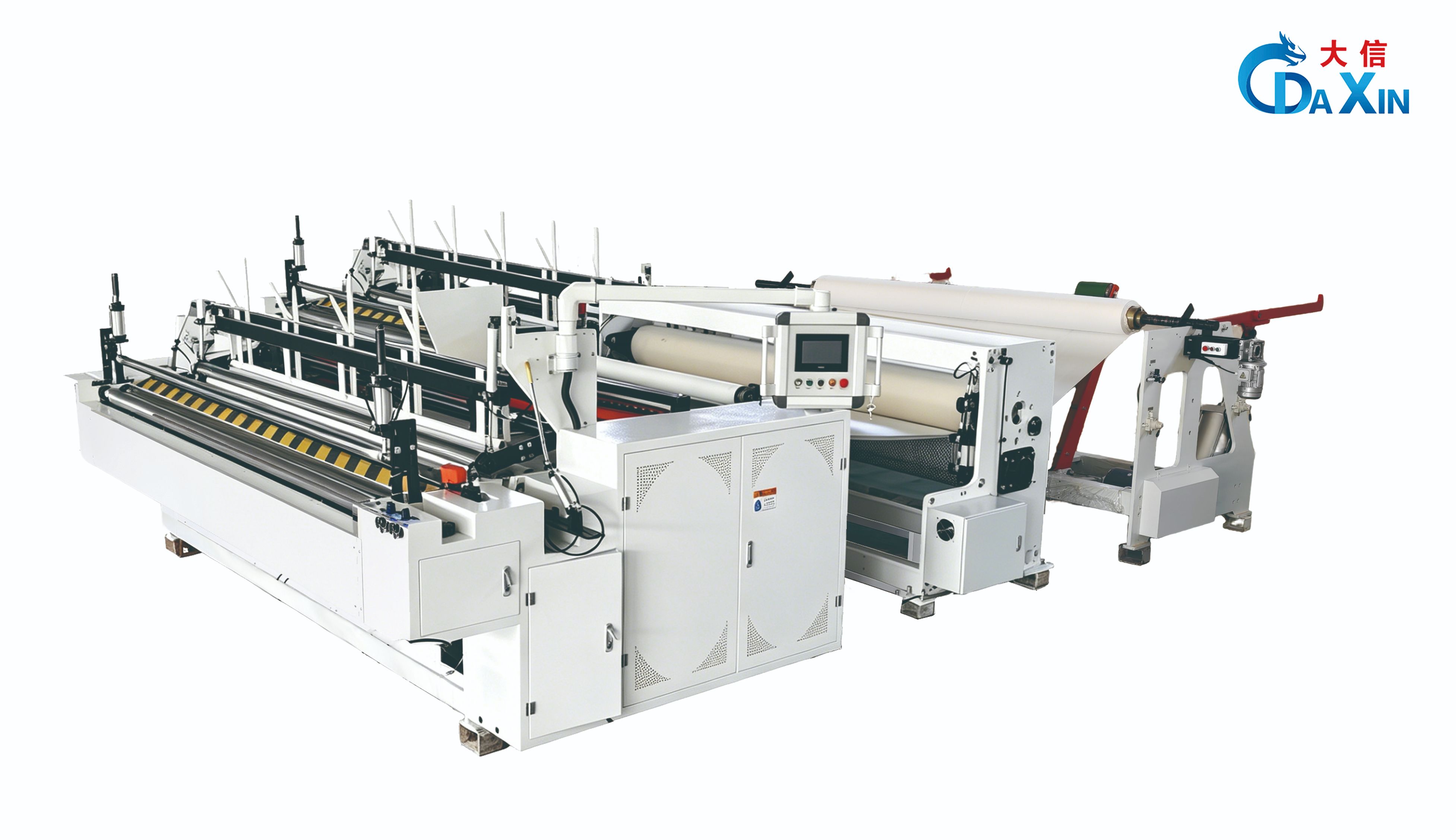
A drawing rarely tells the whole story. The first conversation before quoting is where you hear the things that never make it onto paper: the equipment sits in a washdown area, the original part was imported and can't be sourced, or the in-house crew already tried a repair and made the fit worse. Those offhand remarks change the design more than any dimension on a print.
There is also a difference between quoting what someone asks for and quoting what they actually need. A bracket is rarely just a bracket once you know it carries a vibrating pump. A shaft is not just a shaft when you learn it runs next to a heat source. The conversation gives those facts a chance to surface before the price is locked in.
Skipping this step pushes the discovery into the project itself, where it becomes a change order, a delayed delivery, or a part that fits but fails early. A deliberate engineering conversation before the quote absorbs that risk on paper, where it is cheap to adjust.
How a Company Handles Installation and Operator Handover
A smooth installation rarely happens by accident. It starts weeks before any hardware arrives, with a dedicated site survey that looks at floor load, power stability, and clearance for moving equipment. The company assigns a single project coordinator who becomes the customer's direct line for everything from delivery windows to final acceptance testing. That coordinator builds a written installation plan, shares it with the facility team, and adjusts it against real conditions rather than forcing a generic checklist. The result is that installation day feels less like an interruption and more like a scheduled, predictable event.
Once the equipment is physically in place, the handover process shifts from installation to operator confidence. Technicians run a full commissioning sequence, but they also walk the operators through daily startup, shutdown, and basic fault recovery using the actual machine, not just a slide deck. Operators are encouraged to perform tasks under supervision until they can complete them without prompting. This hands-on phase typically ends with a signed acceptance document that records what was tested, what spare parts were left on site, and who to call for follow-up support.
After the formal handover, the company keeps a short but meaningful post-installation window open. A follow-up visit or remote check within the first two weeks catches small issues before they become habits, such as incorrect settings or overlooked maintenance alerts. This period also gives operators a chance to raise questions they were too busy to ask during installation. By treating handover as a gradual transfer of responsibility instead of a single signature, the company builds enough trust that the customer feels equipped to run the equipment independently.
The Kind of Maintenance Support That Keeps Converting Lines Moving
Real maintenance support on a converting line rarely starts with a breakdown. It starts with someone who pays attention to the small drifts that happen weeks earlier—slight tension variation on a rewind, a bearing temperature that climbs a few degrees, an edge guide correcting more often than it should. That kind of attention comes from knowing the line's normal behavior well enough to notice when normal begins to shift. It also means not waiting for operators to file a work order before checking critical wear points on slitter blades, nip rollers, or print stations.
The support that actually keeps things moving also gets the practical side right. Spare parts that commonly fail are kept close, not in a distant warehouse. Maintenance intervals are based on actual roll counts, blade changes, or hours at speed rather than a fixed calendar. Technicians bring the right tools and do the alignment, tension calibration, and bearing replacement in one visit so the line doesn't limp along with temporary fixes. When a recurring issue shows up, they dig into the root cause instead of replacing the same sensor again.
After the work is done, clear notes make a difference. A short plain-language summary—what was found, what was changed, and what needs watching—helps shift leads and operators plan around the line without surprises. It also builds trust fast. Once the crew sees that small observations are taken seriously, they flag subtle issues earlier, and that quiet feedback loop often prevents the kind of downtime that nobody budgets for.
Spare Parts Strategy When a Rewinder Is at the Center of Production
When a rewinder sits at the center of production, the spare parts conversation shifts from cost control to uptime protection. A failure here does not just delay one machine—it backs up slitting, packaging, and shipping. That changes which parts deserve shelf space. Wear items like bearings, brake pads, and tension control components may not look urgent until the line stops, but their lead times often exceed the tolerance for downtime. Keeping these on hand is not overstocking; it is buying operating time.
A useful approach is to categorize parts by failure impact rather than by price. Critical electrical items such as encoders, drives, and PLC modules may be expensive, but they are relatively small compared with an idle shift. At the same time, mechanical parts that are specific to the rewinder’s core chucks, rider roll, or unloading system should be reviewed with the OEM or a local machine shop before they are needed. Drawings, revision numbers, and fit details matter more than having a generic substitute on the shelf.
The strategy also needs a rhythm. Review consumption data after every quarter and adjust min-max levels as running speeds and product mix change. Build a short list of suppliers who understand the machine’s role in the line and can deliver within 24 to 48 hours for less common failures. Where possible, keep one rebuild kit for the most vulnerable assembly—often the core shaft or the shear slitter section—so the team can swap, then repair offline instead of waiting for a single component.
Signs a Tissue Machinery Partner Can Adapt as Your Product Mix Changes
A tissue converting line rarely runs the same mix two years in a row. The partner worth keeping is the one who asks about your SKU shifts before you have to explain them. You can see it in how their equipment handles short runs: quick changeovers between bath and facial tissue, tooling that adjusts without forcing operators to reach for shims, and controls that save recipes instead of resetting from scratch every morning.
Adaptability also shows up in the conversations. A supplier that can follow your mix will bring up roll width changes, embossing patterns, and packaging formats during routine visits, not just when a new quote is on the table. They might flag that a current slitter setup will limit a move toward narrower retail packs, or suggest a retrofit path for higher bulk tissue grades. That kind of input usually comes from engineers who have spent time on real converting floors, not from a generic account team.
Watch the parts and service side too. If the partner keeps local stock for wear items that change with product dimensions—like anvil rolls, blades, and fold rollers—and can supply updated change parts within a short window, that says more than a brochure. The strong sign is when their service reports track your product mix over time and reference past adjustments, so a new line extension feels like a continuation, not a fresh problem.
FAQ
A real partner asks about your roll diameters, core sizes, and monthly output before quoting anything. They bring up limitations early, like tension control at high speeds, instead of promising every spec works. Over time they track your line changes and suggest upgrades only when the payback is clear.
Expect more than a phone number. A dependable company keeps a machine history file, so when you call about edge wander or score line drift, the engineer already knows your setup. They should offer remote video checks and send drawings or parameter sheets without charging for basic diagnostics.
Ask for lead times on wear parts like slitter blades, carbon fiber rollers, and brake pads, not just whole machines. A reliable supplier keeps common parts in regional stock and uses standard components where possible. If they say every part is custom, that can mean longer downtime later.
Listen for specifics: basis weight ranges, embossing registration after rewinding, stretch control on high-bulk tissue, and dust buildup around perforation units. A partner who knows converting will mention these without being prompted and will adjust roll hardness profiles rather than only changing speed.
Good training is not a one-day slideshow. It includes hands-on changeovers, troubleshooting electrical faults, and cleaning schedules for sensors and air paths. The best programs test your crew on real failure scenarios and leave behind quick reference cards or short videos for night shifts.
When downtime costs more than the price difference. If a supplier offers faster on-site response, a local service hub, or a proven retrofit path for older lines, the premium often returns through avoided delays. Calculate the cost of two or three days of stopped production before comparing quotes.
Conclusion
A tissue rewinding machine company earns long-term trust long before the first roll is wound. The difference usually shows up in the questions asked during early discussions. Instead of pushing a standard configuration, a dependable partner wants to know the furnish, basis weight range, converting speeds, and how the crew actually runs the line. That engineering conversation shapes everything from roll handling to tension control, and it prevents the kind of mismatched delivery that becomes obvious only after startup. Once the machine is selected, installation and operator handover reveal just as much. A reliable supplier does not leave behind a manual and a phone number; it works alongside operators and maintenance staff until they can manage threading, blade changes, and adjustments without hesitation.
The relationship becomes even more valuable after production is running. Maintenance support has to be practical, with clear response times and people who understand the machine's control logic rather than reading from a script. Spare parts strategy matters just as much as uptime. A strong partner helps identify which wear items should be kept on the shelf, explains realistic lead times, and gives enough parts visibility to avoid turning a minor repair into a week-long shutdown. Finally, product mix changes often expose whether a supplier is truly adaptive. When grades, widths, or embossing requirements shift, the right company revisits the original engineering assumptions and suggests adjustments, retrofits, or control upgrades instead of simply quoting a new line.
Contact Us
Contact Person: Sam Xie
Email: [email protected]
Tel/WhatsApp: 86-18938538530
Website: https://www.daxin321.com/