
Where to Sell Pallet Jacks for the Best Price
2026-09-18
Selling a used pallet jack might seem straightforward—list it, wait for a buyer, cash out. But if you've ever tried it, you know the offers can swing wildly from insulting to surprisingly generous. The secret isn't just luck; it's knowing exactly where to point your listing. Whether you're replacing an aging unit with a newer HANGCHA workhorse or downsizing your fleet, the marketplace you choose can quietly make or break your final price. Let's skip the guesswork and get straight to the spots where serious buyers actually look.
Go Where Warehouse Managers Actually Shop for Used Equipment
Most warehouse managers I know skip the broad listing sites and go straight to regional industrial auctions. There’s a rhythm to these events: a shuttered 3PL sells off racking and lift trucks on a Thursday morning, and you’ll see the same fifteen faces from nearby facilities checking tire wear and mast chains before bidding. Prices at these auctions reflect local demand, not national averages, which is exactly why a scuffed but functional pallet jack can go for a fraction of what a refurbished unit lists for online.
Dealer consignment lots are another underrated stop. Many forklift dealers keep a back corner for trade-ins they’d rather move quickly than recondition. If you’re willing to take a unit with faded paint and a few hundred extra hours, you can often negotiate a short warranty or a first service call into the price. The key is building a relationship with the service manager, not the sales rep; the service manager knows which units actually came in with good maintenance records.
Then there are the specialized liquidation platforms tied to bankruptcy and plant closures. These aren’t the polished marketplaces, but they list entire warehouse setups—racking, conveyors, dock levelers, even mezzanine components—all from one location. Buying from a single-site liquidation saves real money on freight and rigging, and you can often walk the floor yourself before committing. It’s less convenient than clicking through a curated catalog, but that inconvenience is why the prices stay reasonable.
Get Cash Offers From Local Material Handling Dealers
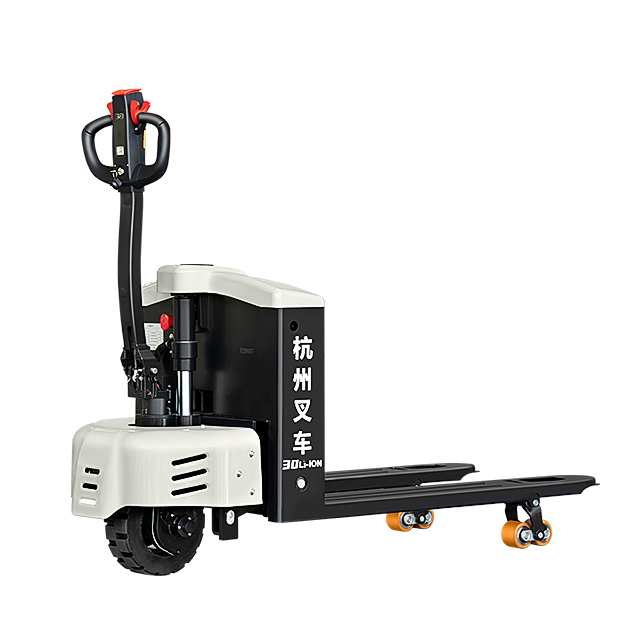
Reaching out to a dealer in your area is one of the fastest ways to turn a forklift, pallet jack, or other warehouse equipment into cash. These businesses already know what similar machines are selling for nearby, so they can give you a realistic number without making you wait through weeks of online listings and tire-kickers. A quick phone call or a few photos usually gets the ball rolling.
Most local dealers will ask for the make, model, year, and rough usage hours, along with a couple of clear shots of the machine. From there, they might schedule a short inspection at your site or ask you to bring the equipment in. Once they've looked it over, you'll get a written cash offer that's typically good for several days, giving you time to compare or think it over.
Dealing locally also removes a lot of the usual hassle. You can sit down with the buyer, go over the condition report, and settle on a payment method that works for both of you—often a bank transfer or a certified check on the spot. There's no freight coordination, no out-of-state title confusion, and no commission taken by a middleman. It's simply a straightforward sale with money in your hand sooner rather than later.
Skip Auction Fees by Selling Direct to End Users
Most dealers quietly accept auction commissions as a cost of doing business, but those percentages stack up fast and eat into real profit. When you move inventory straight to retail buyers, you keep the full margin instead of handing over a cut for the privilege of a gavel. It’s less about avoiding a bill and more about controlling your own pricing from day one.
Selling direct also strips out the waiting game. No reserve uncertainty, no relisting because a floor didn’t show up, no surprise seller’s premium on the settlement sheet. You set the ask, you negotiate the close, and the money lands where it should—back in your pocket, not someone else’s ledger.
For smaller shops and independent flippers, this approach turns a thin deal into a healthy one. Even on a modest unit, skipping the auction house can mean hundreds back per sale. Over a month of steady turnover, that’s real capital you can roll into the next purchase instead of writing off as a fee.
Use Niche Listing Sites That Attract Serious Buyers
When you list your property on a niche site, you're not casting a wide net hoping to catch a few interested parties. You're stepping into a marketplace where every visitor already has a specific purpose. These platforms cater to buyers who know exactly what they want, whether it's a waterfront cottage, a small farm, or a storefront in a historic district. Rather than dealing with casual browsers, you connect with people who have done their homework and are ready to move forward if the details line up.
Niche listing sites often attract serious buyers because the sites themselves are curated. You won't find thousands of generic postings that all blend together. Instead, the listings are organized around a clear theme or lifestyle, which means your property stands out to the right audience without extra effort. The buyers on these platforms tend to move faster, ask fewer irrelevant questions, and understand the true value of what they're looking at. That kind of environment can save you weeks of back-and-forth that happens on larger, more general marketplaces.
Beyond just matching intent, these sites also create a sense of community among buyers and sellers who share a common focus. Word travels quickly within those circles, and a well-presented listing can generate interest from multiple serious parties at once. Pricing becomes less about haggling and more about whether your property fits the specific needs of the audience. In the end, you spend less time explaining basics and more time fielding solid offers from people who genuinely want what you have.
Trade In Your Pallet Jack for Credit Toward New Equipment
Swapping out an aging pallet jack doesn't have to mean absorbing a total loss. Our trade-in program lets you turn that worn-down workhorse into a meaningful discount on a fresh unit. Instead of letting dust gather in a corner or paying for disposal, you can offset a portion of your upgrade cost right away. It keeps your budget lean and your operation moving without the usual headache of private resale.
The process itself is straightforward. Send us the make, model, and a few photos of your current jack, and we'll get back to you with a fair credit offer. Once you accept, we handle pickup or coordinate a drop-off at one of our locations. The credited amount is then applied directly to your new equipment purchase, whether you're eyeing an electric rider, a stainless steel option, or a standard manual jack.
Beyond the immediate cost benefit, trading in also keeps usable components in circulation. Many of the parts we recover are refurbished and put back into service, which means fewer raw materials end up in landfills. It's a practical way to upgrade your fleet while still being mindful of the bottom line and the environment.
Reach Out to Forklift Service Companies That Buy Used Gear
Most forklift service companies quietly maintain a steady demand for pre-owned equipment, often to resell after a quick refurbish or to cannibalize for parts in their own repair shop. Rather than posting on generic marketplaces and hoping for the right buyer, start by calling local dealers that specialize in material handling equipment. Ask directly if they purchase used forklifts outright or accept trade-ins toward service contracts and rentals. Many will send a technician to inspect the unit on-site, and if it’s a brand they already support — think Toyota, Hyster, or Crown — you’ll typically get a faster quote and a smoother pickup.
One overlooked angle is reaching out to independent repair shops that keep older fleets running for warehouses and manufacturers. These shops often buy rough-condition lifts for a fraction of market value, strip them for motors, masts, and hydraulic components, then pass the savings on to their own customers. If your forklift has a dead engine but a solid mast or a recently replaced drive axle, mention those details up front. You won’t get top dollar, but you’ll avoid towing fees and months of tire-kickers, which matters more when the machine is taking up space you need back.
When you make contact, skip the long backstory and get to three facts: make, model, and hour meter reading, plus any recent major repairs or known faults. A service manager who trusts your description will often give a ballpark number over the phone, then firm it up after a visual check. Ask about their pickup policy — some include free haul-away within a certain radius, others deduct transport from the offer. If you have maintenance records or a current safety inspection sticker, attach photos of those too. A clean service history can push an offer up by several hundred dollars, because it reduces their own reconditioning labor before resale.
FAQ
Equipment dealers that specialize in warehouse machinery are often the most straightforward. They'll inspect the jack, make an offer on the spot, and handle the paperwork. You won't always get the absolute highest number compared to a private sale, but the process is faster and you avoid endless back-and-forth with buyers who disappear.
It depends on your location and how quickly you need to move it. Local sales through industrial equipment buyers or auctions save you the hassle of shipping and let the buyer inspect the jack in person, which often justifies a higher price. Online marketplaces open you up to a bigger pool of buyers, but you'll have to deal with shipping quotes and more competition from other sellers.
A quick cleaning and a check of the hydraulic fluid, wheels, and forks can make a noticeable difference in the offers you receive. Buyers are more willing to pay top dollar for a jack that lifts smoothly and doesn't look neglected. If the battery or charger is part of an electric model, include those details and test them so you can honestly say they work.
Small warehouse operators and independent repair shops often pay more than large liquidation companies because they need the equipment for immediate use and don't have the volume to negotiate hard. End users who will put the jack to work right away usually value a clean, functional unit more than a middleman who plans to resell it.
Online auctions can work well if you're in a busy industrial area or you have a popular brand like Crown or Raymond. The bidding format can push the price up when two or more buyers want the same jack. The downside is that fees and the need to coordinate loading can eat into your profit, so compare the final payout against a direct sale before committing.
Start by checking what similar models with the same capacity and condition have actually sold for, not what people are asking. Local equipment dealers can give you a quick ballpark estimate for free. Then price slightly above what you'd accept so you have room to negotiate without scaring off serious buyers.
Fix only the issues that are cheap and visible, like replacing a worn wheel or topping off hydraulic fluid. Major repairs, like a leaking cylinder or bent forks, rarely pay for themselves in a resale situation. Selling as-is with full disclosure often attracts buyers who have the skills to fix it themselves and don't expect a showroom condition.
The biggest one is poor photos and vague descriptions. If you list a jack with one dark photo and no mention of capacity, lift height, or recent maintenance, buyers assume there's something wrong with it. Another mistake is not having the jack ready to demo; when a buyer asks to test it and it won't lift because the fluid is low, they'll walk or offer far less.
Conclusion
If your goal is to get the best price for a used pallet jack, you need to stop thinking like someone clearing out a garage and start thinking like the warehouse managers who actually buy this equipment. Those buyers rarely browse general classifieds; they look at niche listing sites where serious material handling professionals post and search. That's why your first stop should be platforms dedicated to industrial and warehouse gear, not broad auction sites that eat into your profit with fees. Local material handling dealers are another strong option—they often make cash offers on the spot, especially if you can show maintenance records or recent service history. Selling directly to end users through these dealers or niche sites lets you skip the middleman and avoid auction commissions, which can easily take 10-20% off your final payout.
You should also consider trading in your pallet jack if you're planning to upgrade or buy new equipment. Many dealers will apply a generous credit toward a new unit, which can be more valuable than a cash sale when you factor in tax benefits and convenience. And don't overlook forklift service companies—these businesses regularly buy used pallet jacks to refurbish and resell, so they often pay fair prices and can arrange pickup. To maximize your return, gather all service records, take clear photos of the forks, wheels, and hydraulic pump, and be upfront about any damage. A realistic asking price based on current market data will attract serious offers faster than an inflated number that sits for weeks. By combining a few of these channels, you'll likely find a buyer who values the equipment properly instead of settling for a lowball auction bid.
Contact Us
Contact Person: Liuxue
Email: [email protected]
Tel/WhatsApp: +86-19084200370
Website: https://www.hf-ec.com/