

Why Does Silicone Molding Solve So Many Real Manufacturing Problems?
2025-12-30
When buyers first come to us, they usually aren’t searching for a new process just for fun. They are trying to fix a problem that keeps showing up in production. Over time, while working with Moldor, I’ve seen how Silicone Molding quietly becomes the answer when traditional materials or rigid tooling start to fail. It isn’t about trends. It’s about reliability, flexibility, and results that hold up in real-world conditions.
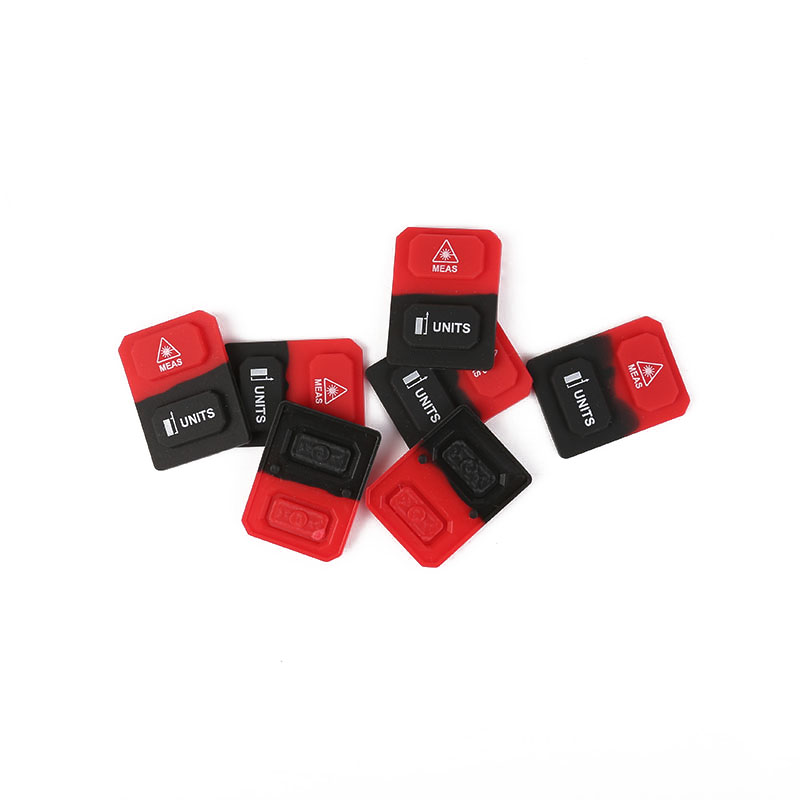
What Makes Silicone Molding Different From Other Manufacturing Options?
I often explain that Silicone Molding is not simply another variation of rubber processing. It behaves differently during forming, curing, and long-term use. For customers dealing with extreme temperatures, repeated compression, or complex geometries, these differences matter.
- Silicone maintains elasticity across a wide temperature range
- It resists aging, UV exposure, and chemical attack
- It fills intricate molds without losing dimensional accuracy
- It supports both low-volume prototyping and scalable production
These points may sound technical, but in practice they mean fewer failures, fewer replacements, and more predictable performance for finished parts.
How Does Silicone Molding Help Reduce Production Risk?
One of the most common pain points I hear is inconsistency. Parts that look good in early samples sometimes degrade during mass production. With Silicone Molding, the material stability helps reduce that risk. The curing behavior is controlled, and the final properties remain consistent from batch to batch.
| Production Challenge | How Silicone Molding Addresses It |
|---|---|
| Part deformation under heat | Silicone retains shape and elasticity at high temperatures |
| Short service life | Excellent resistance to aging and environmental stress |
| Complex part geometry | High flowability allows precise mold filling |
| Material compatibility issues | Inert properties reduce reaction with surrounding components |
Why Do Engineers Prefer Silicone Molding for Custom Components?
From my experience, engineers value predictability. Silicone Molding supports tight tolerances and repeatable results, even for highly customized designs. This makes it especially useful for seals, gaskets, protective covers, and medical or electronic components where failure is not an option.
Another reason is design freedom. Silicone can be molded into thin walls, undercuts, and multi-cavity layouts without sacrificing strength. That flexibility allows designers to focus on performance instead of redesigning parts just to fit manufacturing limits.
How Does Silicone Molding Support Long-Term Cost Efficiency?
At first glance, some buyers worry about material cost. What they often overlook is the total lifecycle cost. Silicone Molding reduces replacement frequency, lowers maintenance needs, and minimizes downtime caused by part failure. Over time, those savings usually outweigh the initial investment.
- Longer service life reduces replacement cycles
- Stable performance minimizes warranty claims
- Efficient tooling supports consistent output
When customers look beyond unit price and focus on reliability, silicone-based solutions tend to make strong financial sense.
Is Silicone Molding the Right Choice for Your Application?
Every project is different, and that’s why conversations matter. I’ve seen Silicone Molding succeed in industries ranging from electronics to industrial equipment, precisely because it adapts to specific requirements instead of forcing compromises.
If you’re facing repeated material failures, inconsistent quality, or design limitations, it may be time to explore a different approach. At Moldor, we work closely with customers to evaluate designs, select the right silicone formulation, and ensure the molding process supports real production needs.
If you’re ready to discuss your project or want to see how Silicone Molding can improve your product performance, we invite you to contact us today. Share your requirements, ask your questions, and let’s find a solution that works beyond the drawing board.