

When I look at wall materials for spaces that face moisture, cleaning chemicals, stains, and daily wear, I pay less attention to decorative claims and more attention to how the material behaves after months of real use. That is why I have been paying closer attention to Hanhua Vision (Xiamen) New Material Technology Co., Ltd. and its PP Wall Panel solutions. Instead of treating wall panels as simple surface decoration, I see polypropylene wall panels as a practical answer for buyers who need stable, easy-to-maintain, and long-lasting interior protection.
Many project owners have the same concern. They do not want a wall system that looks fine during installation but begins to swell, crack, absorb moisture, or trap dirt after routine cleaning. In commercial kitchens, food preparation rooms, laboratories, healthcare support areas, workshops, and humid public interiors, a wall surface must do more than look clean on day one. It must keep performing under pressure.
In this article, I want to explain why PP Wall Panel has become a practical option for projects where waterproofing, hygiene, chemical resistance, and simple maintenance matter more than decorative complexity.
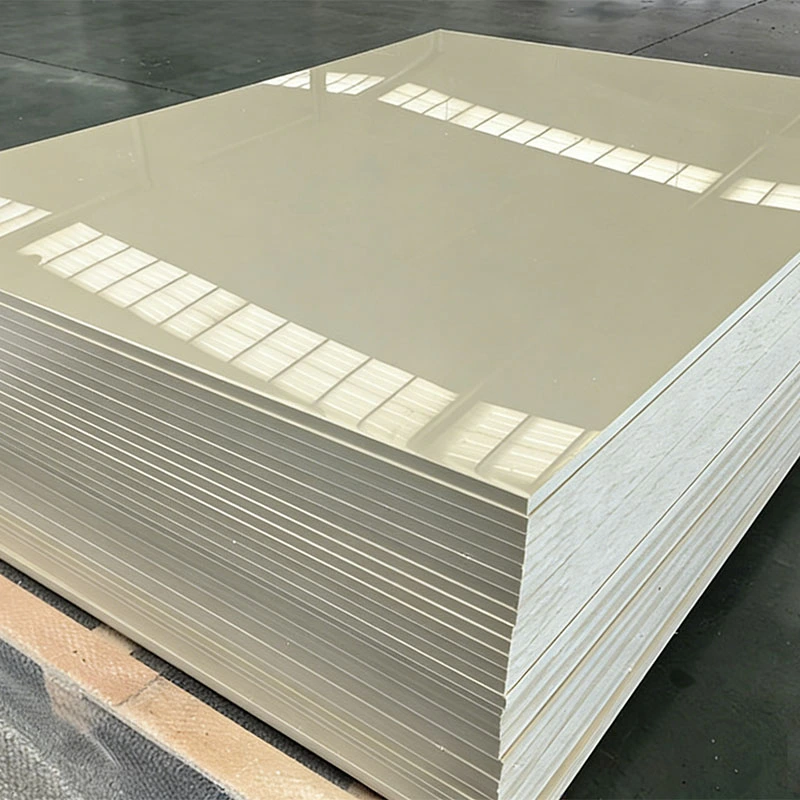
What Makes PP Wall Panel Different From Ordinary Decorative Wall Boards?
I usually describe PP Wall Panel as a functional wall protection material rather than a purely decorative panel. PP refers to polypropylene, a thermoplastic material known for its low water absorption, stable structure, and resistance to many common chemicals. This gives it a different purpose from wood panels, paper-faced boards, or some composite decorative sheets.
Ordinary wall boards often focus on texture, color, pattern, and visual style. Those are useful in many interiors, but they may not solve the real problems in demanding spaces. A wall in a restaurant back-of-house area, a cleaning room, or an industrial interior may face oil, steam, water splashes, disinfectants, and repeated wiping. In these conditions, the material behind the surface matters.
- I choose PP panels when moisture resistance is a priority.
- I consider them when frequent cleaning is part of daily operation.
- I recommend them for areas where wall surfaces should not absorb dirt or water.
- I see them as a practical choice when traditional decorative boards may not last long enough.
The biggest difference is simple. A PP Wall Panel is selected because it solves environmental problems, not because it tries to imitate every decorative material on the market.
Why Do Buyers Care So Much About Waterproof Wall Materials?
Water damage is one of the most common reasons wall finishes fail. I have seen projects where walls looked polished during handover, only to develop swelling edges, stains, peeling layers, or soft spots after exposure to humidity. Once moisture enters the wrong type of panel, repair is rarely convenient. It often means downtime, labor cost, and repeated maintenance.
This is where PP Wall Panel becomes valuable. Polypropylene itself does not easily absorb water, so the panel is less likely to swell or deform because of moisture exposure. For buyers managing commercial or public spaces, this feature can reduce long-term maintenance worries.
| Common Buyer Concern | Why It Matters | How PP Wall Panel Helps |
|---|---|---|
| Wall swelling in humid areas | Moisture can weaken many traditional materials | PP has low water absorption and helps maintain panel stability |
| Frequent cleaning | Cleaning routines can damage weak surfaces over time | The dense surface is easier to wipe and maintain |
| Chemical exposure | Some cleaning agents may affect ordinary finishes | Polypropylene offers resistance to many acids, alkalis, and cleaners |
| High replacement cost | Wall repair can interrupt business operation | A durable panel system can support longer service use |
For me, waterproof performance is not a small feature. It affects service life, cleaning confidence, and the total cost of ownership.
How Does PP Wall Panel Support Cleaner Interior Spaces?
Cleanliness is not only about appearance. In many commercial and industrial environments, it is also about routine management. A wall surface should be easy to wipe, difficult to stain, and stable after repeated cleaning. If the surface holds dirt in seams, absorbs liquid, or reacts badly to detergents, daily maintenance becomes harder than it should be.
I like PP Wall Panel for these situations because it offers a smooth, dense, and practical surface. It does not rely on complicated surface layers to deliver basic protection. For spaces where staff clean walls often, this can make a visible difference.
- In food preparation spaces, it helps reduce concerns about water and oil stains.
- In laboratories, it supports easier cleaning where chemical stability matters.
- In healthcare support areas, it helps create a wall surface that is simple to maintain.
- In industrial interiors, it provides a practical barrier against moisture and dirt.
- In public utility areas, it can reduce the need for frequent repainting or surface repair.
I would not present PP panels as a universal replacement for every interior finish. That would be unrealistic. But when hygiene, moisture control, and maintenance efficiency are major concerns, they become a very sensible choice.
Which Projects Are Better Suited for PP Wall Panel?
Not every project needs the same wall material. A luxury hotel lobby may value texture and atmosphere first. A commercial kitchen, however, needs a wall surface that can handle steam, cleaning, and accidental impact from daily operations. That is why I always match the material to the environment.
I find PP Wall Panel especially useful in projects where function comes before decoration. The panel works well when buyers need a practical surface that can remain stable in wet or demanding spaces.
| Application Area | Main Challenge | Reason PP Wall Panel Fits |
|---|---|---|
| Commercial kitchens | Steam, oil, water, and frequent wiping | Waterproof surface and easy cleaning performance |
| Food processing rooms | Hygiene control and regular washing | Dense panel structure helps simplify maintenance |
| Laboratories | Exposure to cleaning agents and chemicals | Polypropylene has practical chemical resistance |
| Industrial workshops | Moisture, dirt, and operational wear | Durable panel surface supports long-term use |
| Public utility spaces | High use frequency and cleaning demand | Simple maintenance helps reduce repair pressure |
From my perspective, the best use of PP Wall Panel is not in places where the wall only needs to look beautiful. It is in places where the wall must stay clean, stable, and reliable while people work around it every day.
Is PP Wall Panel Better Than PVC Wall Panel or Wood-Based Panels?
I do not like making simple claims such as one material is always better than another. Buyers usually need a practical comparison, not a slogan. PVC wall panels, wood-based panels, aluminum composite panels, and PP panels all have their own suitable applications. The right choice depends on moisture level, cleaning frequency, durability needs, budget, and design expectations.
However, when I compare materials for demanding interiors, PP Wall Panel often stands out because it focuses on functional stability.
| Material Type | Typical Strength | Possible Limitation | Best Use Direction |
|---|---|---|---|
| PP Wall Panel | Waterproof, chemical-resistant, stable, easy to clean | More functional than highly decorative | Clean, wet, commercial, and industrial spaces |
| PVC Wall Panel | Lightweight and decorative options are common | Performance depends heavily on structure and grade | General interior decoration and moderate-use areas |
| Wood-Based Panel | Warm visual effect and familiar design style | May be sensitive to moisture without proper protection | Dry decorative interiors |
| Painted Wall | Flexible color choice and low initial cost | Can require repainting after stains, water, or scratches | Low-impact dry areas |
If the project is mainly about visual warmth, wood-based materials may be suitable. If the project needs a surface that can handle water, cleaning, and daily operational pressure, I would look at PP panels much earlier in the selection process.
How Can PP Wall Panel Reduce Long-Term Maintenance Pressure?
Initial price is only one part of material selection. I always remind buyers to think about replacement cost, cleaning labor, downtime, and repair frequency. A cheaper wall finish may become expensive if it needs constant maintenance.
PP Wall Panel can help reduce long-term pressure because it is designed around practical use. Its surface is easier to clean than many absorbent materials, and its structure is less likely to suffer from moisture-related swelling. When installed properly, it can support a cleaner and more stable interior environment.
- It can reduce worries about moisture entering the wall surface.
- It can lower the need for repeated repainting in wet or dirty areas.
- It can make daily cleaning more efficient for operation teams.
- It can help protect walls in areas exposed to water, stains, or cleaning agents.
- It can support a more professional appearance over longer periods of use.
For buyers responsible for facilities, restaurants, factories, laboratories, or commercial interiors, this kind of reliability is often more important than a dramatic decorative effect.
What Should I Check Before Choosing PP Wall Panel for a Project?
Before choosing any wall panel, I prefer to confirm the real working environment. A good supplier should not only talk about material advantages but also help the buyer match specifications, installation methods, and application needs.
When I evaluate PP Wall Panel, I usually check the following points.
- Moisture exposure How often will the wall face water, steam, or humidity?
- Cleaning routine Will the surface be wiped daily, washed frequently, or exposed to disinfectants?
- Panel thickness Does the project need a thinner panel for basic protection or a stronger panel for heavier use?
- Wall condition Is the base wall flat, stable, and suitable for direct fixing?
- Installation method Will the project use adhesive fixing, mechanical fixing, or a combined method?
- Visual expectation Is the buyer looking for functional cleanliness or decorative texture?
These questions help avoid mismatched expectations. A PP panel performs best when it is used for the right reason and installed according to the actual site conditions.
Why Do I Consider Supplier Experience Important for PP Wall Panel Orders?
Material performance is important, but supplier support also matters. A buyer may need guidance on thickness, quantity, installation suitability, packaging, delivery planning, or project-based customization. This is especially true for overseas buyers who need clear communication before placing an order.
I pay attention to suppliers that understand both product performance and project use. Hanhua Vision (Xiamen) New Material Technology Co., Ltd. provides wall panel products for buyers who care about durability, practical performance, and application matching. For procurement teams, this kind of product direction is helpful because it connects material selection with real construction needs.
In my view, choosing a PP Wall Panel supplier should not be based only on price. I would also consider whether the supplier can answer practical questions, provide suitable specifications, support project communication, and help the buyer avoid unnecessary trial and error.
| Buyer Question | Why It Should Be Asked |
|---|---|
| What thickness is suitable for my project? | Different spaces may need different strength and installation support |
| Can the panel handle frequent cleaning? | Cleaning demand affects surface performance and service life |
| What installation method is recommended? | Fixing method influences stability and final appearance |
| Can the supplier support bulk project orders? | Commercial projects often require stable supply and delivery planning |
| Is the material suitable for wet or chemical environments? | The wrong material may fail quickly in demanding conditions |
How Can PP Wall Panel Improve the Value of a Commercial Interior?
A commercial interior is not valuable only because it looks good. It is valuable when it stays usable, clean, and efficient over time. Walls are part of the operating system of a space. If they are hard to clean, easily damaged, or affected by moisture, they create hidden costs.
This is why I see PP Wall Panel as a smart investment for certain projects. It helps buyers move away from short-term surface decoration and toward long-term functional performance. It offers a practical balance of waterproofing, cleaning convenience, chemical resistance, and material stability.
For restaurants, factories, laboratories, public facilities, and back-of-house commercial spaces, the product advantage is not about making exaggerated promises. It is about solving ordinary but costly problems before they become maintenance issues.
- Cleaner wall surfaces can support better daily operation.
- Water-resistant materials can reduce repair concerns.
- Stable panels can help maintain a professional interior appearance.
- Easy maintenance can reduce pressure on staff and facility managers.
- Project-suitable specifications can improve installation efficiency.
Why Should I Request Project Advice Before Buying PP Wall Panel?
I believe the best purchasing decision starts with clear project details. Before ordering PP Wall Panel, buyers should think about where the panel will be used, how often the wall will be cleaned, whether water or chemicals are present, and what installation method is realistic for the site.
Once these details are clear, it becomes easier to choose the right thickness, quantity, and product configuration. This also helps the supplier give more accurate recommendations instead of offering a one-size-fits-all answer.
If you are planning a commercial kitchen, food processing area, laboratory, workshop, public facility, or moisture-prone interior project, PP Wall Panel may be the practical wall solution you are looking for. To discuss specifications, project needs, bulk orders, or suitable applications, you can leave an inquiry or contact us today. The earlier you share your project requirements, the easier it is to receive a reliable wall panel recommendation that fits your space.